Spirit of integration: Central Asian Expert Forum takes place in Bishkek

Relations between Central Asian states are experiencing a renaissance. Since 2018, five Consultative Meetings of the Heads of State of Central Asia have already been held. This is clear evidence of the desire to strengthen and develop interaction between the countries of the region.
Central Asia, which has great potential for development, needs a real regional integration or cooperation project. Such a project will increase the subjectivity of the region, will help resolve contradictions, will reduce risks and challenges for Central Asia as a whole, and will make the development of all countries more balanced.
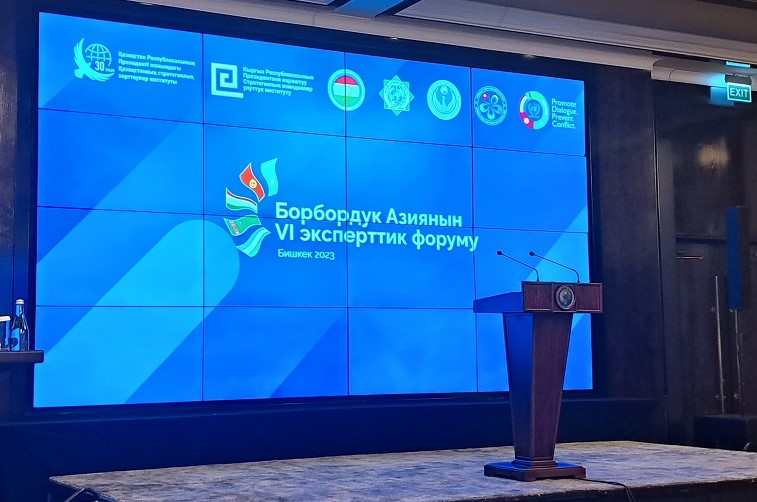
One of the tools contributing to the emergence of a regional project is the Central Asian Expert Forum, which is held in turn in each Central Asian state and which has been convened for the sixth time in Bishkek these days.
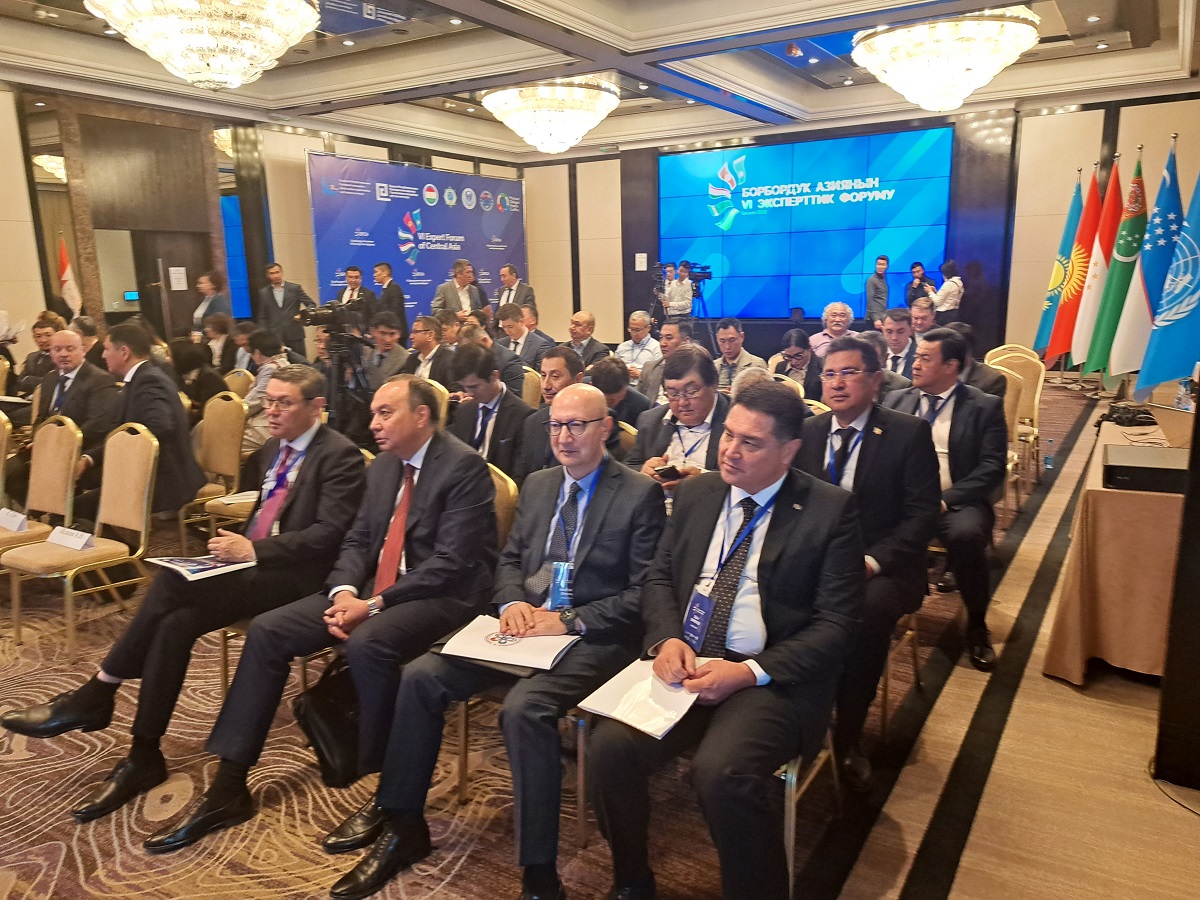
During the meeting, from October 12 to 13, leading experts from the five countries discuss current issues of regional cooperation, and also develop common strategic approaches, practical proposals and recommendations for the governments of the region in agreed areas.
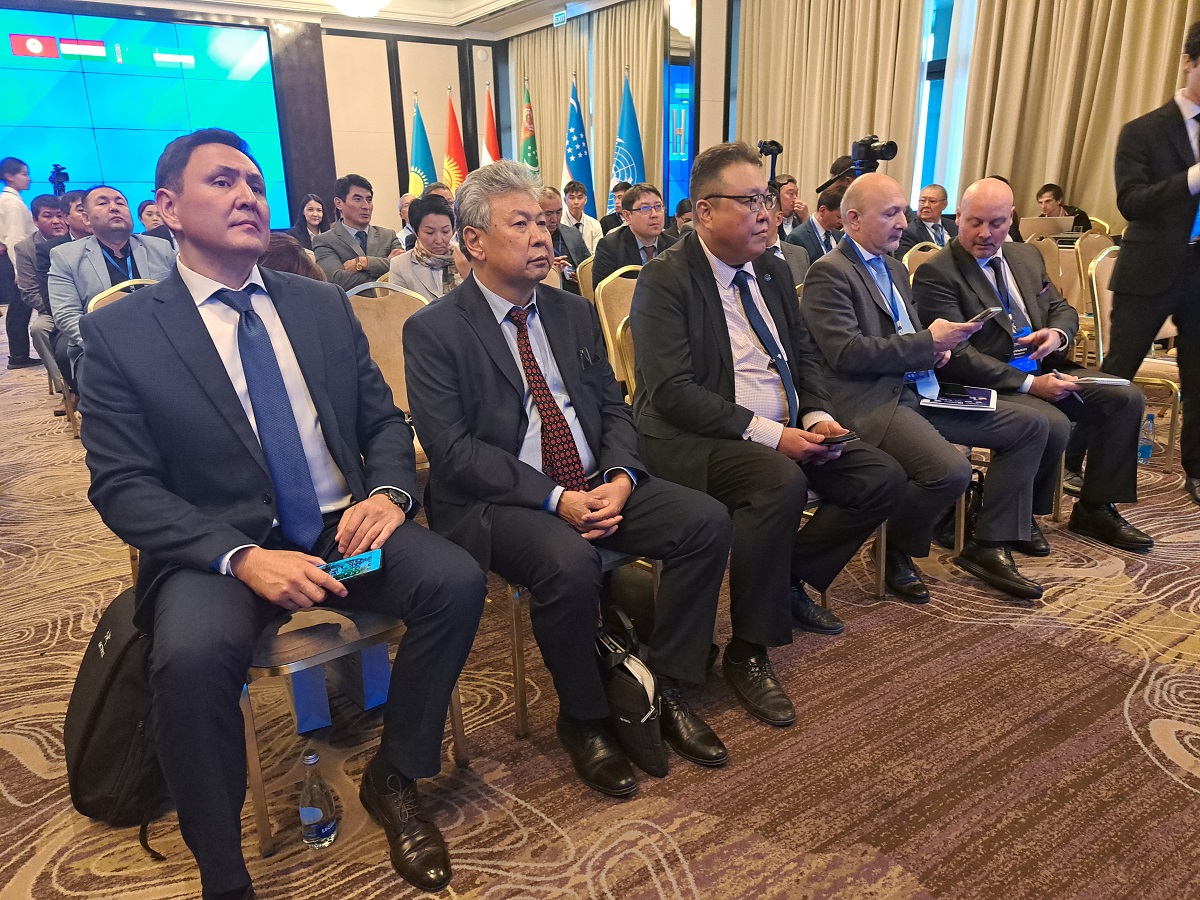
The forum, organized with the assistance of the UN Regional Center for Preventive Diplomacy for Central Asia, brought together in the capital of Kyrgyzstan heads and scientific specialists of strategic research institutes of the region's states, government representatives, ministries and departments, heads and employees of diplomatic missions and international organizations, independent analytical organizations and the media information.
The main focus of the current meeting is the features of regional interaction, that is, how to be united and different at the same time, the search for “intersection points” of national interests and a common vision.
These include the signed Agreement on strengthening the interconnectedness of land transport in Central Asia, the Dushanbe communique of the first meeting of the ministers of transport of the states of the region, the Agreement on general directions of youth policy, as well as the adopted Regulations on the Council of National Coordinators for Consultative Meetings of the Heads of State of Central Asia.
All these are starting points from where movement begins on the most important regional tracks towards the formation of a new socio-economic landscape of Central Asia. Developing common approaches and searching for joint solutions to critical issues on the regional agenda is extremely relevant in light of the dynamically developing geopolitical and geostrategic processes in the world.
In his report, Shiri Shiriyev particularly focused on the initiatives expressed by President of Turkmenistan Serdar Berdimuhamedov at the summit in Dushanbe. This is the creation of the Central Asian Chamber of Commerce, the Council of Central Asian Countries on New Technologies, the Energy Dialogue and the regional transport and logistics platform.
Such specific formats of joint work open the way to deepening cooperation between the countries of Central Asia, increasing the level of trust and sustainable development.
Regional integration is also aimed at responding to the changing world order, that is, helping states strengthen their international positions and protect themselves from unwanted external influence. Although economic benefits are also important, the main advantage of integration is still the creation of a qualitatively new single space through the elimination of barriers and the development of infrastructure, transport connectivity, harmonization of tariffs, industrial cooperation and trade, rational use of resources and balanced production.
All these and other aspects are considered at the meeting through the prism of a common vision for the future of the region. The agenda of the forum also includes issues of the current effectiveness of regional interaction and an analysis of its capabilities for creating new integration projects.
ORIENT news


