We are guided by what unites people




News
Articles
Media
Announcement
Technology
About Us
Contacts

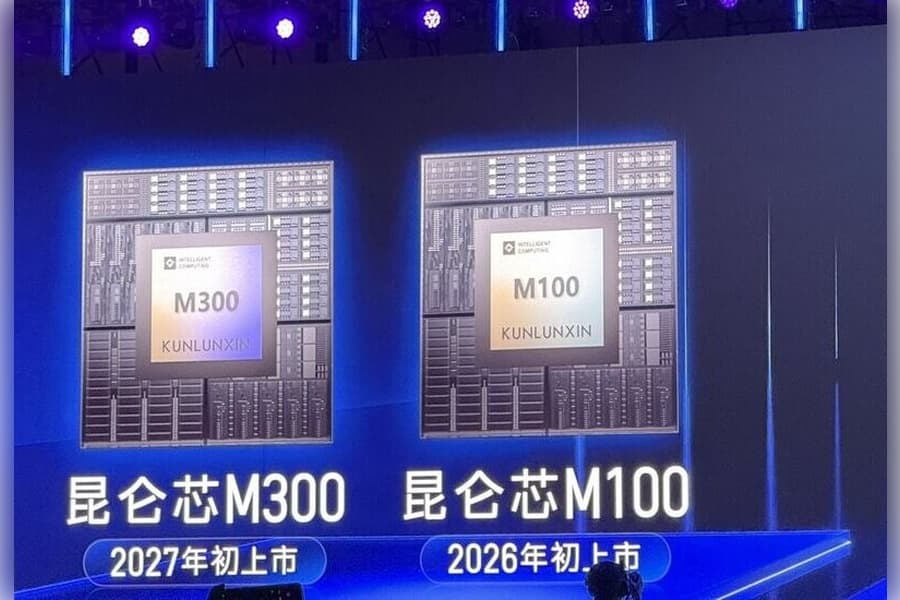
This month, Chinese tech giant Baidu introduced its own M100 and M300 accelerators designed for artificial intelligence infrastructure. This move not only reduces China’s dependence on American technologies amid sanctions, but also creates a powerful new source of computing resources needed for training large language models, which local tech companies are in great need of.
The M100 chip, oriented toward inference (running ready-made models), will become available early next year, while the more versatile M300 is expected in 2027. Analysts agree that if Baidu succeeds in mass production, these accelerators could help Chinese developers overcome two critical challenges: a shortage of computing power and the government requirement to transition to domestic chips.
Investors have already reacted positively to the news, as Baidu’s new accelerators will not only strengthen the company’s business, but also attract other players in the Chinese tech market.
According to JPMorgan’s forecasts, thanks to the new products, Baidu may increase its chip revenue sixfold next year, reaching $1.1 billion, while the valuation of its specialized division may rise to $28 billion. Baidu is becoming a serious competitor to Huawei Technologies, and the entry of another supplier such as Baidu will benefit the entire local AI market.
ORIENT