We are guided by what unites people




News
Articles
Media
Announcement
Technology
About Us
Contacts

The Arctic has faced significant climatic changes. The period from October 2024 to September 2025 has been officially recognized as the warmest on record in the 125-year history of observations.
According to a report by scientists from the National Oceanic and Atmospheric Administration (NOAA), the northern region of the planet is warming much faster than the Earth as a whole. Researchers attribute this to disruptions in the heat balance caused by the accumulation of greenhouse gases.
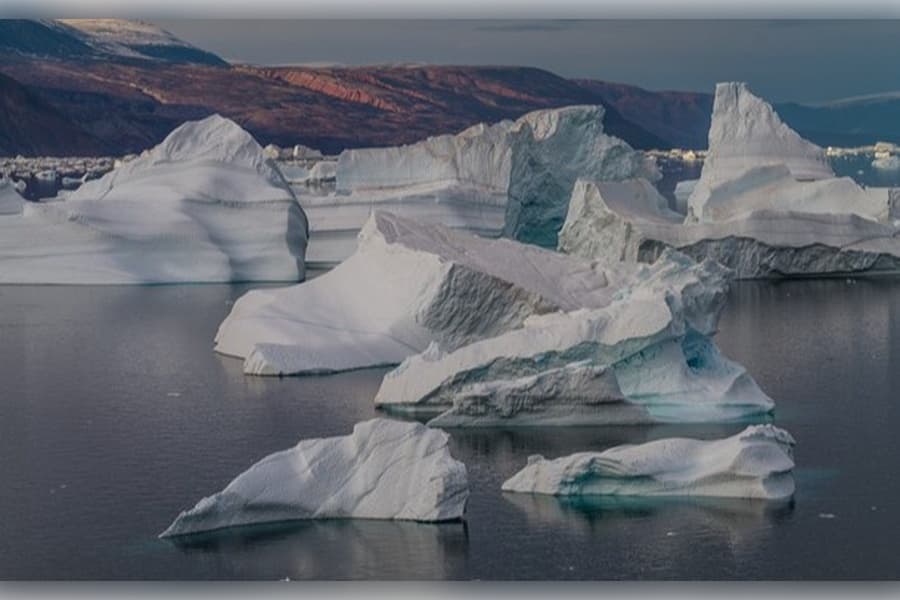
In 2025, the changes primarily affected the ice cover. Scientists recorded that the extent of sea ice decreased to one of the lowest levels observed during 47 years of satellite monitoring.
The region’s “foundation” — the oldest and thickest ice — has also undergone dramatic transformation. Its volume has declined by more than 95 percent since the 1980s. At the same time, the nature of precipitation in the Arctic has changed, with rain now being recorded more frequently instead of the traditionally dominant snowfall.
As a result, the area of snow cover in June has been reduced by half compared to data from 60 years ago. This affects the surface’s ability to reflect sunlight and regulate temperatures in the region.
The Arctic remains a key factor influencing the climate of the entire planet. Scientists continue to monitor the region, as current processes are closely linked to global sea levels and worldwide weather patterns. The results of 2025 have become an important addition to the long-term statistics on climate change.
ORIENT