We are guided by what unites people




News
Articles
Media
Announcement
 Chinese New Year
Technology
About Us
Contacts
Chinese New YearBusiness | ORIENT. A series of high-level meetings involving a Turkmen business delegation took place in the Kingdom of Eswatini. The visit, led by Hydyrberdy Abdurahmanov, founder of the “Aýdyň Gijeler” holding company, became a direct continuation of the state-level agreements reached during King Mswati III’s visit to Ashgabat last year.
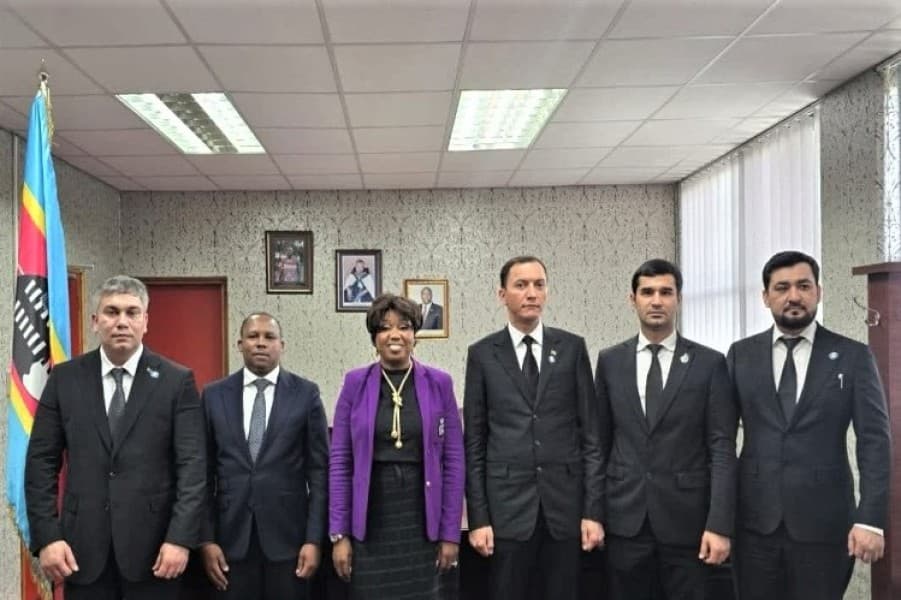
The business mission began on January 27 with a notable diplomatic gesture: in Mbabane, the delegation was personally welcomed by Minister of Foreign Affairs and International Cooperation Pholile Shakantu and Minister of Home Affairs Princess Lindiwe. Such a high level of representation from the host country underscored from the outset the strategic importance of the visit and Eswatini’s intention to create a secure and favorable environment for Turkmen partners.
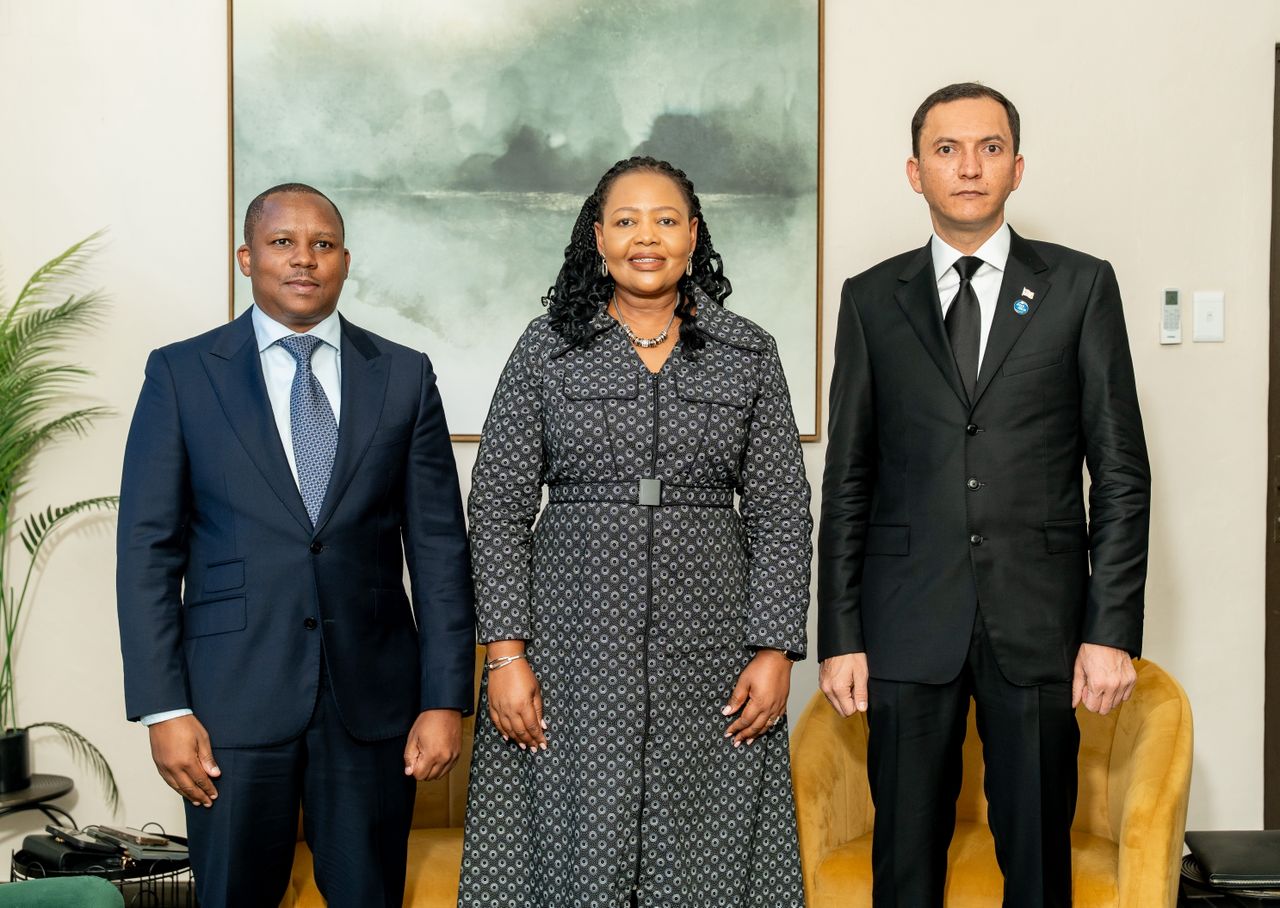
A key event of the mission was the January 29 meeting at Eswatini’s Ministry of Information and Communication Technologies. Minister Savannah Maziya emphasized that the Kingdom views the Turkmen holding as a strategic partner.
This meeting followed the minister’s official visit to Turkmenistan during King Mswati III’s state visit last year, when she toured the Aýdyň Gijeler production plant specializing in ICT and electronics solutions.
Eswatini’s interest is concrete: the country aims to become a regional innovation hub in Africa. Turkmenistan’s experience in electronics manufacturing and IT infrastructure development is exactly what Mbabane needs for digital transformation and job creation for young people.
During the visit, the delegation was also received by Eswatini’s Prime Minister Russell Mmiso Dlamini. In the course of the talks, the parties moved from diplomatic protocol to practical commercial agreements. The Turkmen side expressed readiness to purchase sugar — Eswatini’s key export commodity — which would help create a sustainable trade balance between the two countries.
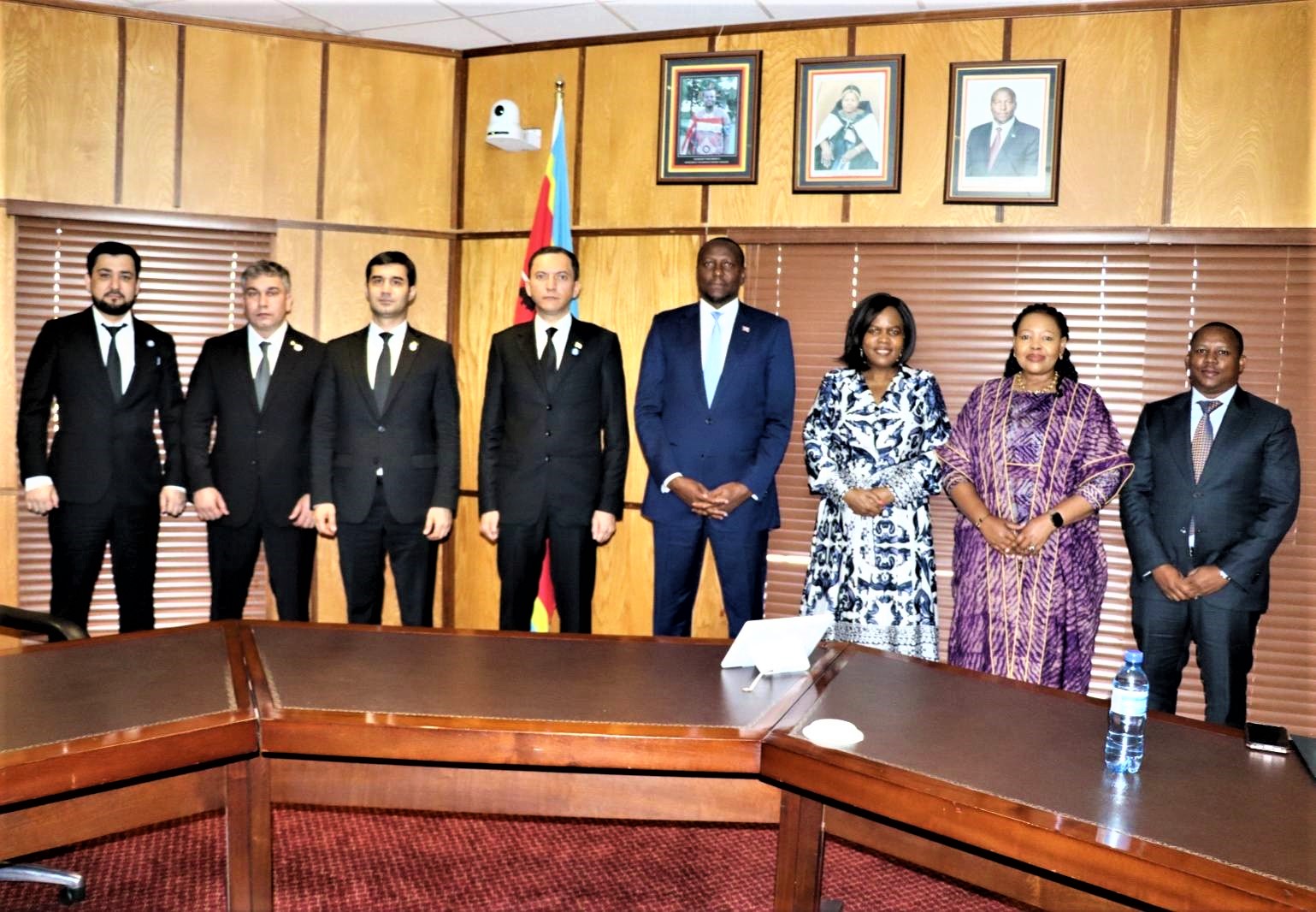
The visit consolidated the success of the Protocol on the Establishment of Diplomatic Relations, signed in August 2025 by Rashid Meredov and Pholile Shakantu.
Despite the geographical distance, Ashgabat and Mbabane share the status of LLDCs (landlocked developing countries). Common challenges encourage the search for unconventional forms of cooperation. Technology comes to the forefront here: the introduction of Turkmen IT solutions to the African market, exchange of climate-resilient know-how, and the creation of a favorable environment for private capital.
The Turkmen delegation’s trip to Eswatini is not merely a courtesy visit. It represents the formation of a new “South–South” cooperation axis, with Turkmenistan acting as an exporter of technology and industrial solutions. The planned expansion of Aýdyň Gijeler into the Kingdom confirms that Ashgabat is successfully monetizing its neutral status, turning it into an effective instrument of economic expansion into new markets.