||




 Chinese New Year
Ashgabat, February 12 | ORIENT. It's mid-February, a time when the diplomatic corps in Turkmenistan lives in the rhythm of a special "double holiday." Following Russia's Diplomatic Worker's Day, celebrated on February 10, Ashgabat is preparing to celebrate the professional anniversary of its national cadres—February 18. At the junction of these dates, a gala reception was held at the Embassy of the Russian Federation, which was not just an official event, but a living embodiment of what is known as "handshake diplomacy."
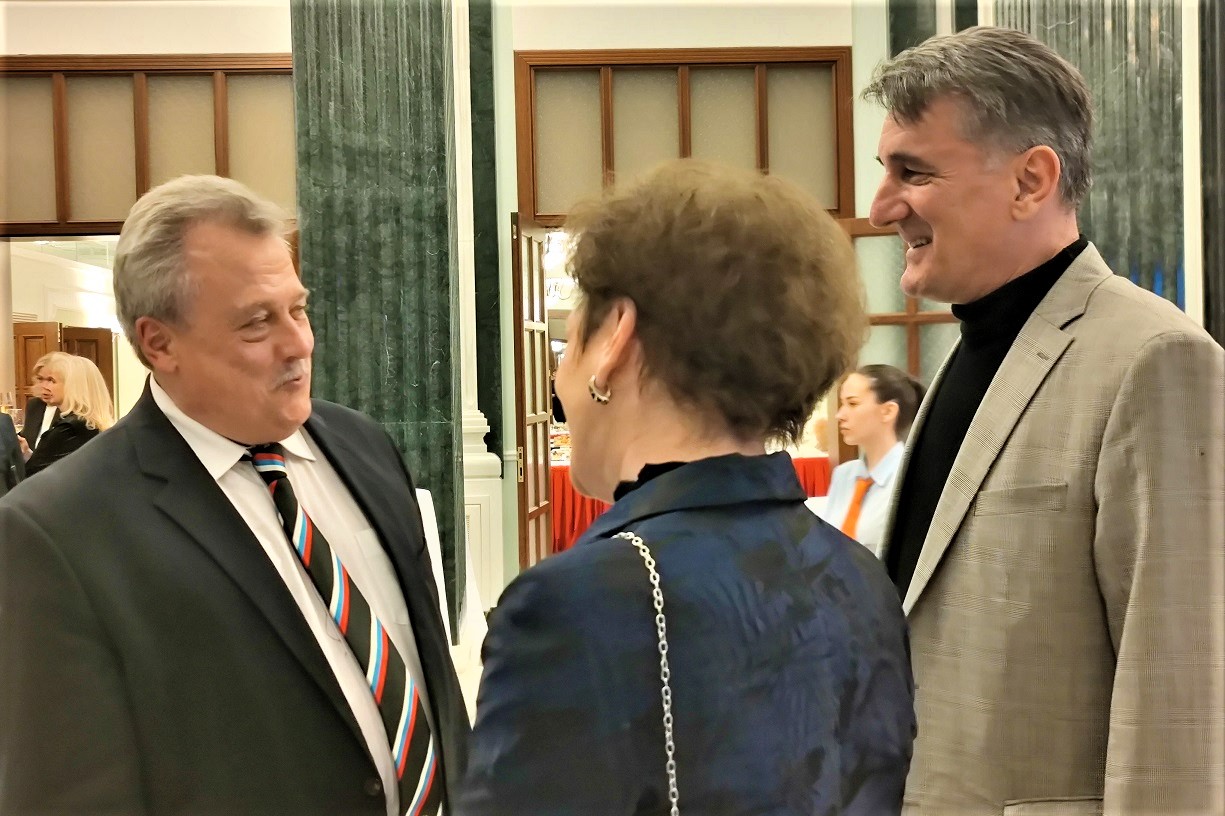
The evening at the Embassy was filled with that special, lively atmosphere that only comes among friends. Here, in an informal setting, strict protocol gave way to sincere smiles, friendly hugs, new acquaintances, and interesting discussions. Heads of diplomatic missions, representatives of international organizations, cultural figures, and clergy interacted freely and naturally. In this polyphony of languages and opinions, it was clear that modern diplomacy is not only notes and memoranda; it is, above all, the art of personal communication, the ability to hear and understand each other outside the podium.
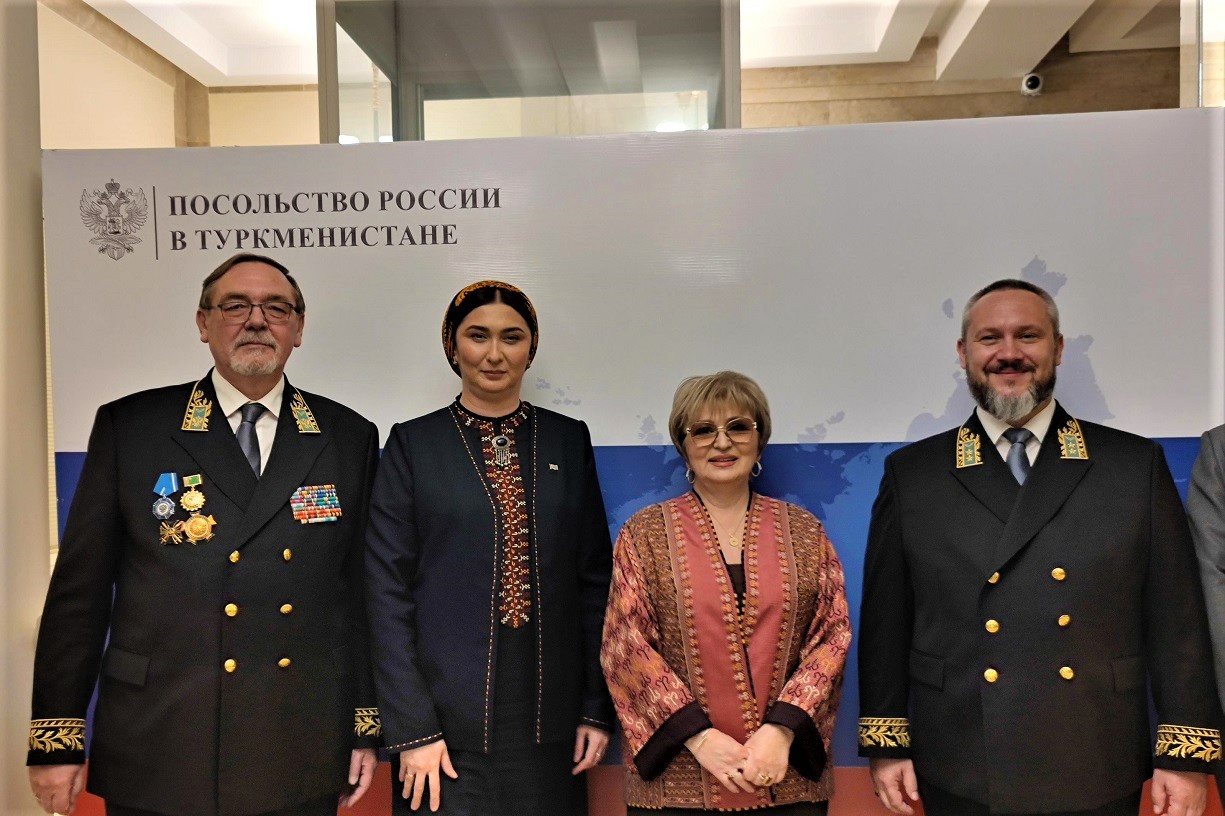
The diplomatic profession is incredibly multifaceted. It involves a constant balancing act between protecting national interests and seeking compromise, between firm convictions and flexible approaches. Behind every official gesture lies the personal responsibility of an individual whose work often remains invisible to the general public, yet it shapes the fabric of international peace.
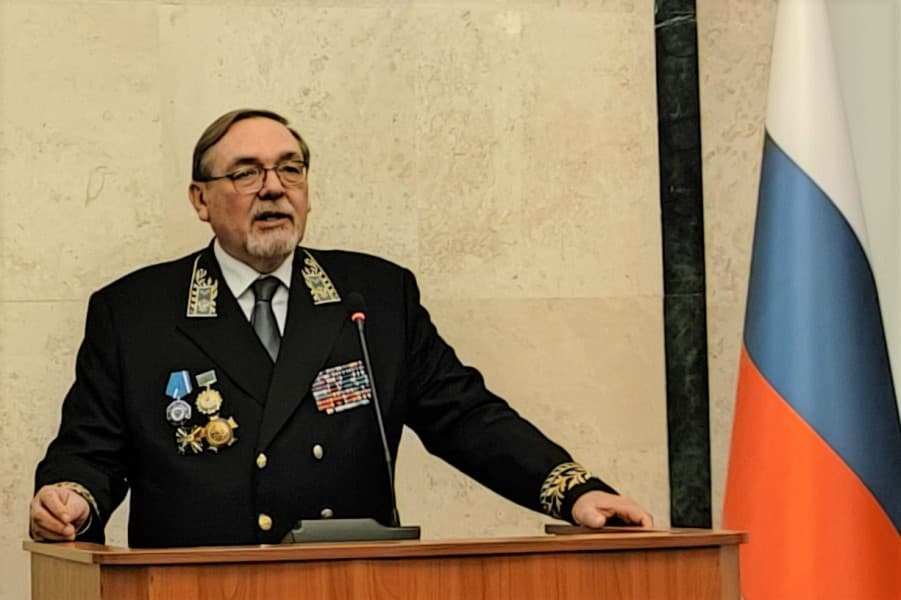
Opening the evening, Ambassador Extraordinary and Plenipotentiary of the Russian Federation Ivan Volynkin emphasized that this holiday symbolizes the unbreakable connection between times.
"For us, this date is, first and foremost, a symbol of the continuity of generations. At all times, under any system, our predecessors were distinguished by their loyalty to the ideals of patriotism. In these challenging times, inspired by their example, we continue to steadfastly defend the interests of the Fatherland," the head of the Russian mission noted.
In his speech, the Ambassador emphasized the region's strategic importance. He stated that strengthening ties with Central Asian countries is an absolute priority for Moscow, and relations with Turkmenistan serve as a benchmark for such interaction. Ivan Volynkin expressed deep gratitude to President Serdar Berdimuhamedov and National Leader of the Turkmen People, Chairman of the Khalk Maslakhaty, Gurbanguly Berdimuhamedov, for their personal attention to developing the partnership, and thanked the Ministry of Foreign Affairs of Turkmenistan for its continued support.
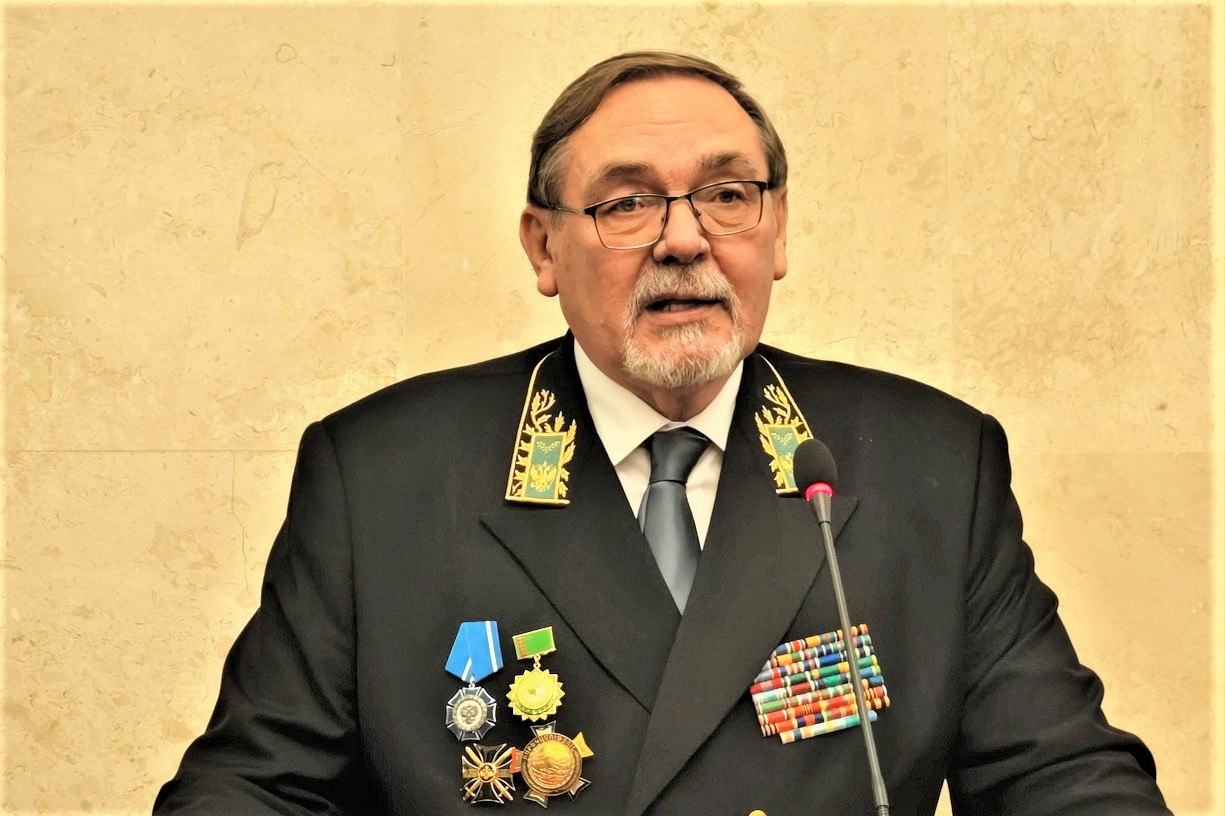
The Ambassador's remarks were particularly warm when he spoke about the unity of the diplomatic corps in Ashgabat. It is this solidarity among colleagues that enables the implementation of the most ambitious projects, strengthening the centuries-old friendship between the fraternal peoples.
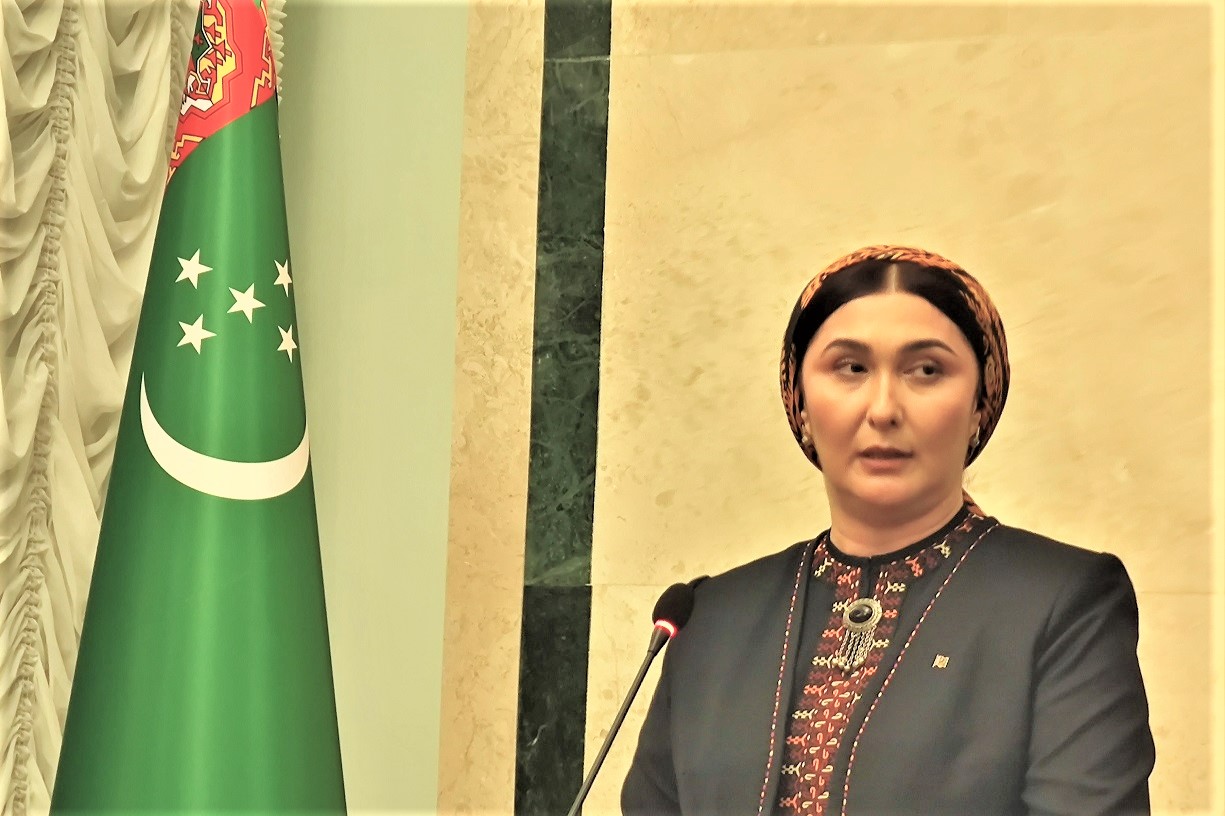
This thread of trusting dialogue was continued by Deputy Foreign Minister of Turkmenistan Myahri Byashimova. Congratulating her Russian colleagues, she highlighted the foundation upon which modern partnership is built.
"The foundation of success is the high level of personal dialogue between the leaders of our states. Regular contacts at the highest level provide a powerful impetus to our joint activities across a wide range of areas," Myahri Byashimova emphasized.
The Deputy Minister also recalled this year's busy schedule: Ashgabat is preparing to host the Council of Heads of State and the Council of Heads of Government of the CIS. These platforms will mark a new stage in the coordination of joint efforts.
It's symbolic that this festive marathon is also accompanied by intensive high-level working contacts. On the same day, February 12, a telephone conversation took place between the foreign ministers of Turkmenistan and Russia, Rashid Meredov and Sergey Lavrov. The ministers not only discussed the schedule of upcoming events and coordination on the Caspian track but also exchanged congratulations on the professional holidays of the two countries' diplomats. This call served as further confirmation that diplomacy is an ongoing process, where work and friendly relations go hand in hand.
The dinner party continued in an atmosphere of traditional Russian hospitality. The appearance of golden pancakes on the menu alongside the delicacies reminded the guests of the approach of Maslenitsa, the festival of renewal and spring warmth. And there was truth to this: when professionals who strive for peace gather at the table, any political winter retreats before the power of goodwill and human connection.