



Do you love jazz so much that you're ready to dedicate an evening to meeting jazz performers? If yes, then we invite you to a jazz concert taking place on February 28th at the Vatan Cinema and Concert Hall. But first, a little history...
Jazz originated in the early 20th century in New Orleans, USA, as a synthesis of African rhythms, blues, and European harmonies. Its early forms, such as ragtime and New Orleans jazz, quickly spread across America and then around the world. Jazz arrived in Russia in 1922. A key figure was Valentin Parnakh – a poet, choreographer, and musician who, after a stay in Europe, organized the country's first jazz concert in Moscow in October 1922. In the following decades, Soviet jazz experienced difficult times: it was sometimes welcomed as a new art, sometimes subjected to harsh criticism and censorship, especially during the Stalin era, when it was labeled “bourgeois” music.
Despite this, the USSR developed its own jazz school. In 1926, pianist Alexander Tsfasman founded the first professional jazz ensemble, AGZHAN (American Gramophone Jazz Ensemble). Much later, in the 1950s and 1960s, after the Thaw, jazz experienced a second wind, with new groups and performers emerging.
Throughout its history, jazz has spawned numerous styles and subgenres. Here are the main ones:
• New Orleans Jazz (Dixieland): An early form of jazz featuring collective improvisation.
• Swing: The big band era of the 1930s-1950s.
• Bebop: A fast, complex style of the 1940s, focused on small ensembles and virtuoso composition.
• Cool Jazz: A calmer, more intimate response to bebop.
• Hardball: A fusion of bebop with elements of gastel and blues.
• Free Jazz: a rejection of traditional harmonies and rhythms in favor of complete freedom and improvisation.
• Jazz-Rock/Fusion: a fusion of jazz with rock music and electronic instruments.
The world's greatest jazz musicians include Louis Armstrong, Miles Davis, John Coltrane, Charles Parker, Ella Fitzgerald, and many others.
Famous Russian Soviet performers include Valentin Parnakh, Alexander Tsfasman, Georgy Garanyan, Alexey Kozlov, Oleg Lundin, Igor Butman (the most famous Russian jazz musician internationally), Leonid Chizhik, and Yakov Okun.
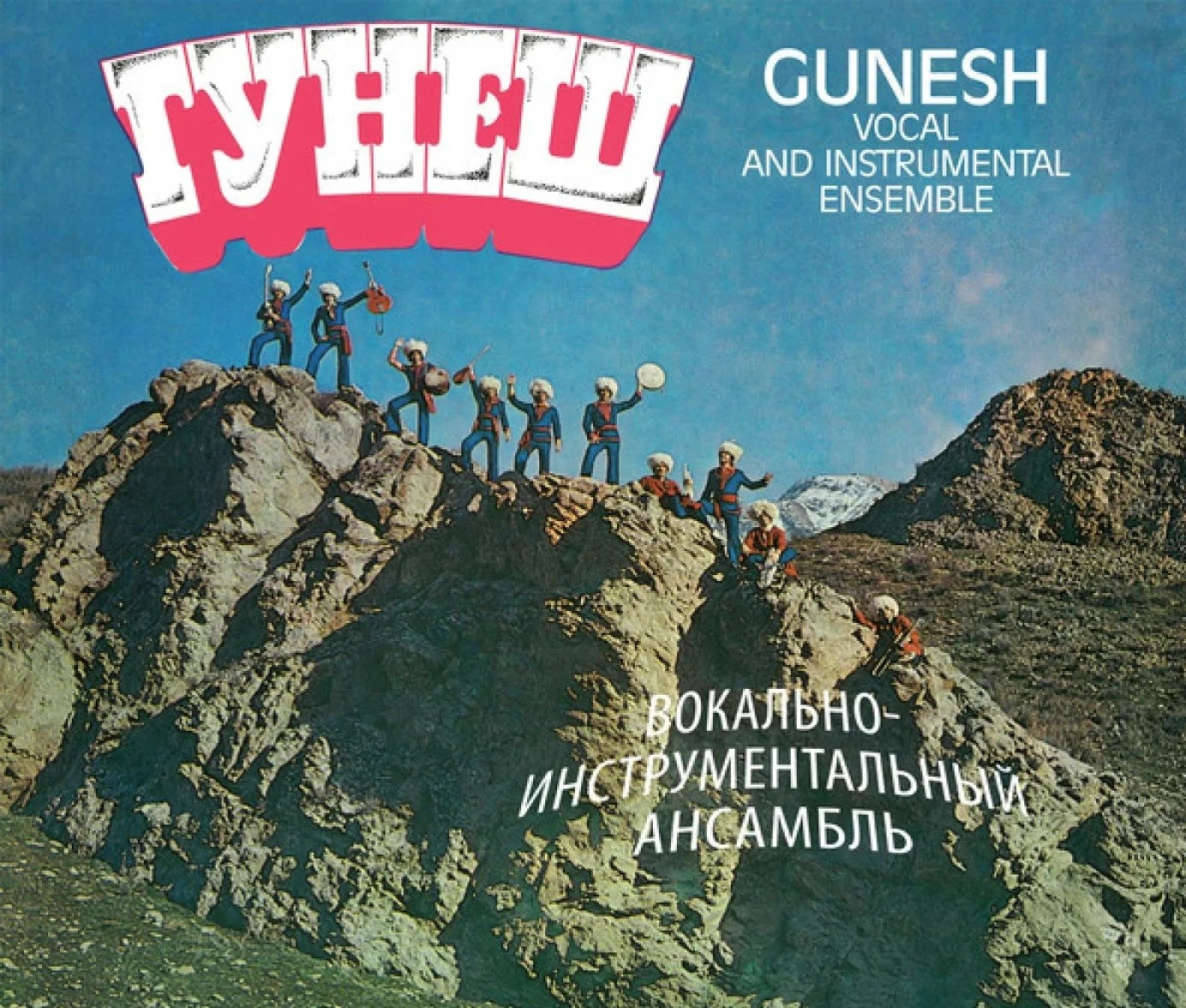
The history of jazz in Turkmenistan is one of the most unexpected and interesting in Central Asia. The "Gunesh" ensemble made a major contribution to the development of this genre. The group was founded in the early 1970s by vocalist Murad Sadykov, later an Honored Artist of the Turkmen SSR. Initially, they performed Turkmen folk songs and Soviet compositions, but by the end of the decade, they were boldly experimenting, blending traditional Turkmen melodies with jazz chords, rock rhythms, and funk, creating a unique style of ethno-jazz or jazz fusion.
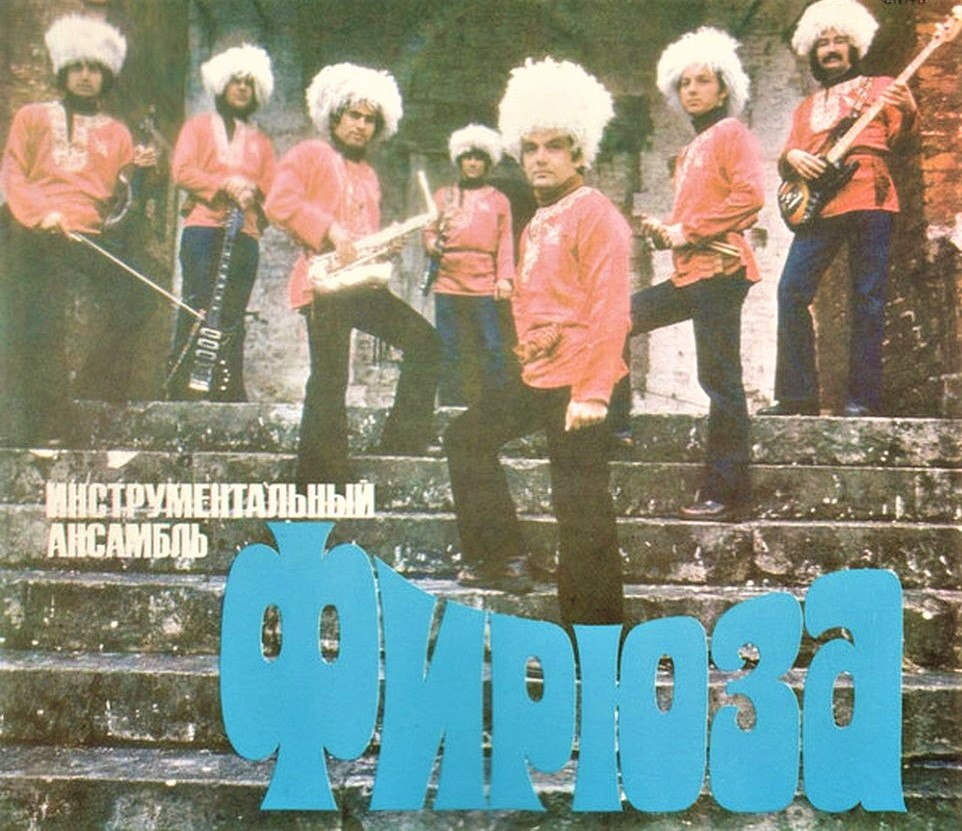
Another important group working in this direction was the "Firyuza" ensemble, whose record was released in 1979.
Jazz is experiencing a renaissance in modern Turkmenistan. Musicians continue to use folk melodies as a foundation, enriching them with jazz harmonies. Jazz concerts are held in Ashgabat, demonstrating a keen interest in this musical genre. In the spring of 2025, music lovers witnessed the jazz debut of Dovran Shammyev and Tyazegul Bayramova, better known as lyrical pop and chanson vocalists.
The upcoming meeting with jazz is a new encounter with music that will resonate with listeners' hearts with velvety notes and envelop them in an atmosphere of true glamour. This evening, soloists Dovran Shammyev, Bakhar Durdyeva, and Tyazegul Bayramova will perform jazz hits. The centerpiece will be the orchestra conducted by Kovus Byashimov.
As the concert organizers noted, "Each composition will be served like a beautiful dish with the perfect sauce: subtle, stylish, and delicious. Jazz will transport you to the best moments of your life, when you don't want to just sit and listen, but want to feel the rhythm, move, and dance."
Dear listeners, jazz connoisseurs, and newcomers alike, Jazz is an art form that fosters co-creation with the musicians. Don't miss the opportunity to "taste" this magic.
Elena Osipova