||




 Chinese New Year
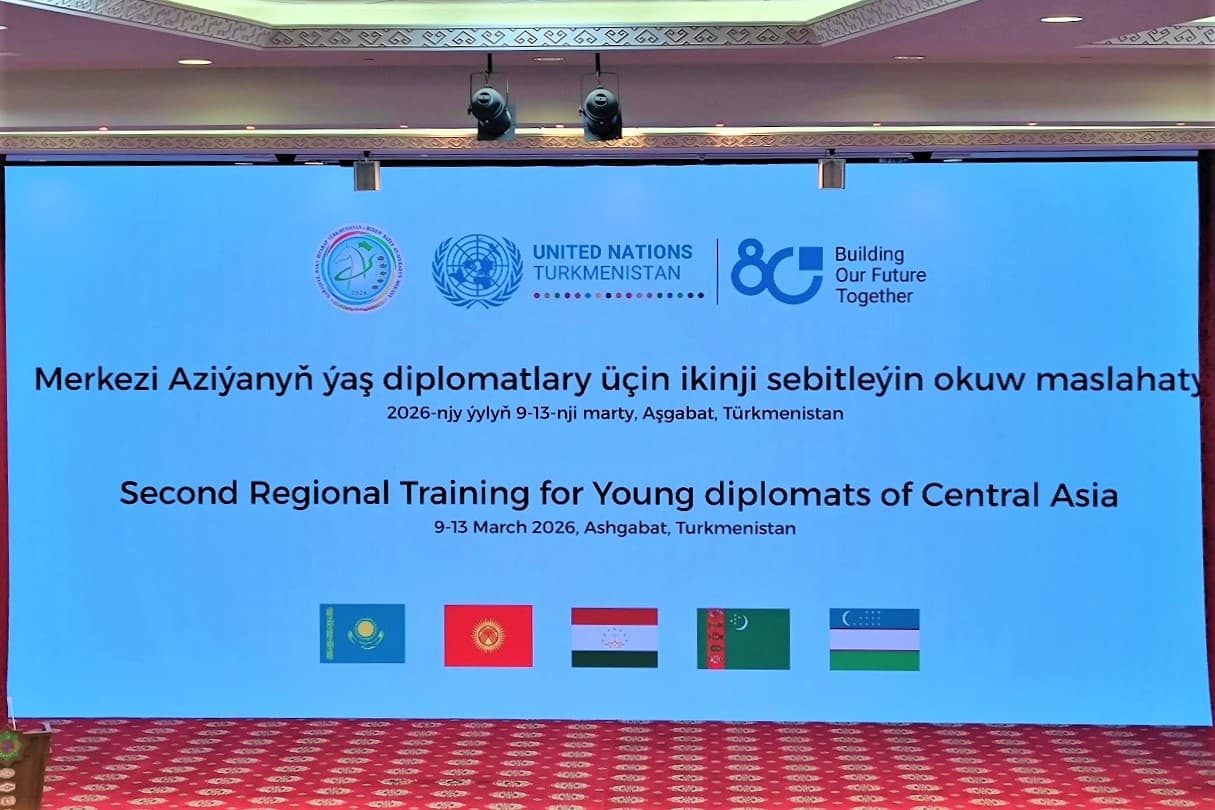
Ashgabat, March 9 | ORIENT. The Second Regional Training for Young Foreign Ministry Staff from Countries in the Region has kicked off in the Turkmen capital. The program, which combines the resources of the UN and the potential of neutral Turkmenistan, aims to develop a new political elite capable of speaking a common language of professionalism and mutual respect.
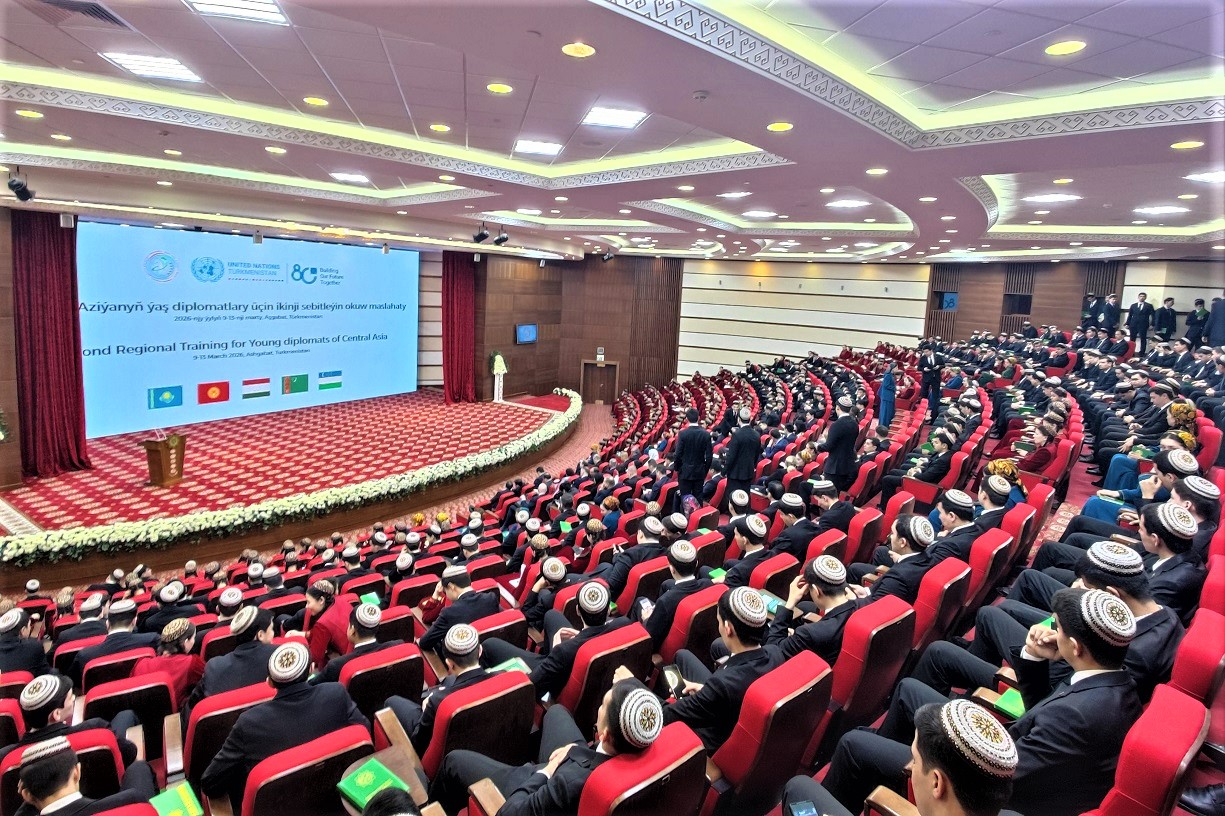
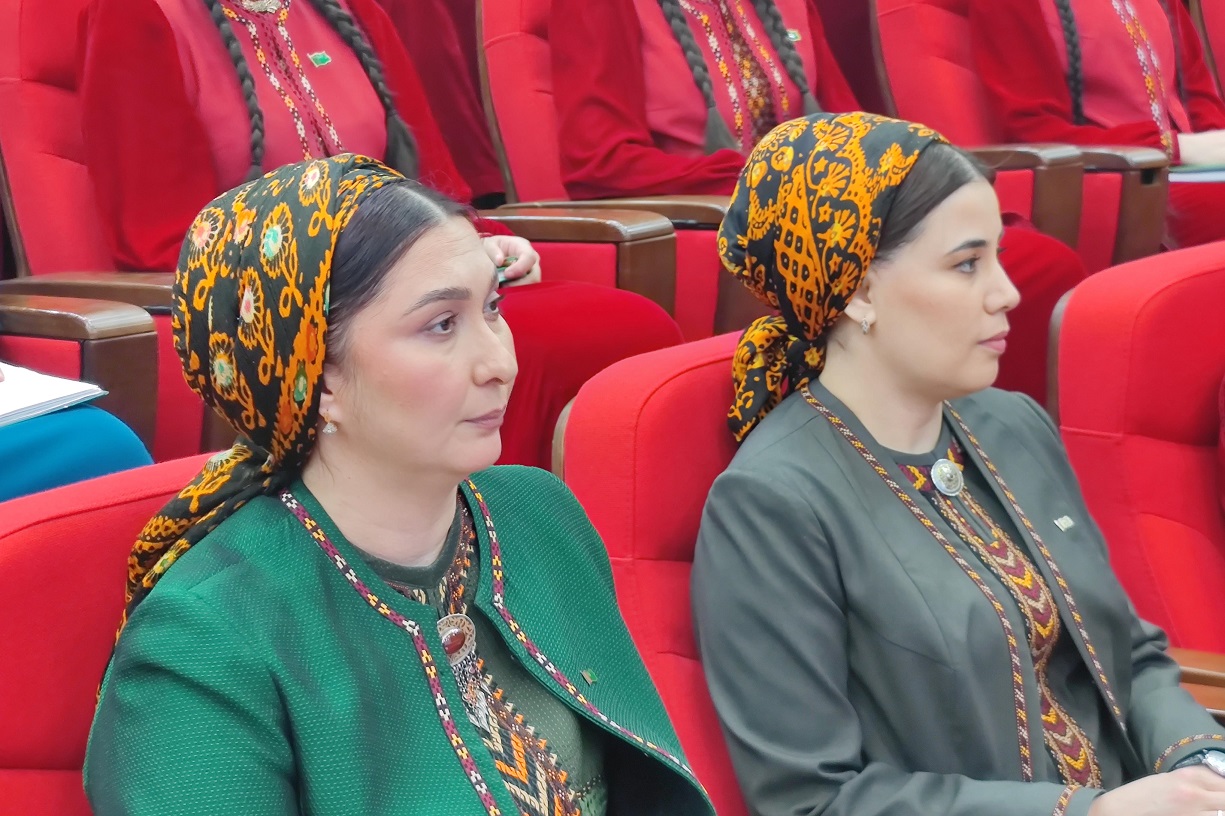
...On Monday morning, the opening ceremony of the training was held at the Institute of International Relations of the Ministry of Foreign Affairs of Turkmenistan. Twenty-five delegates participated in the training—five each from Kazakhstan, Kyrgyzstan, Tajikistan, Turkmenistan, and Uzbekistan. These young people, all under 30, represent the interests of their countries today and will shape the regional security architecture tomorrow.
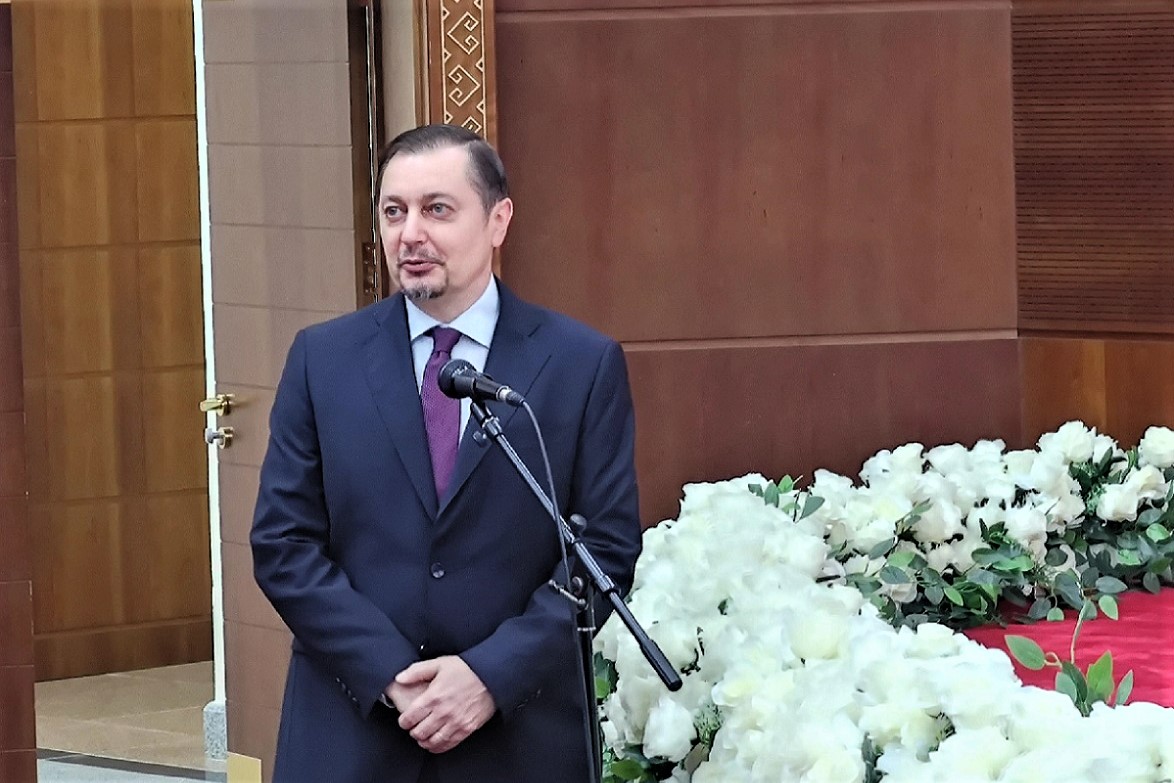
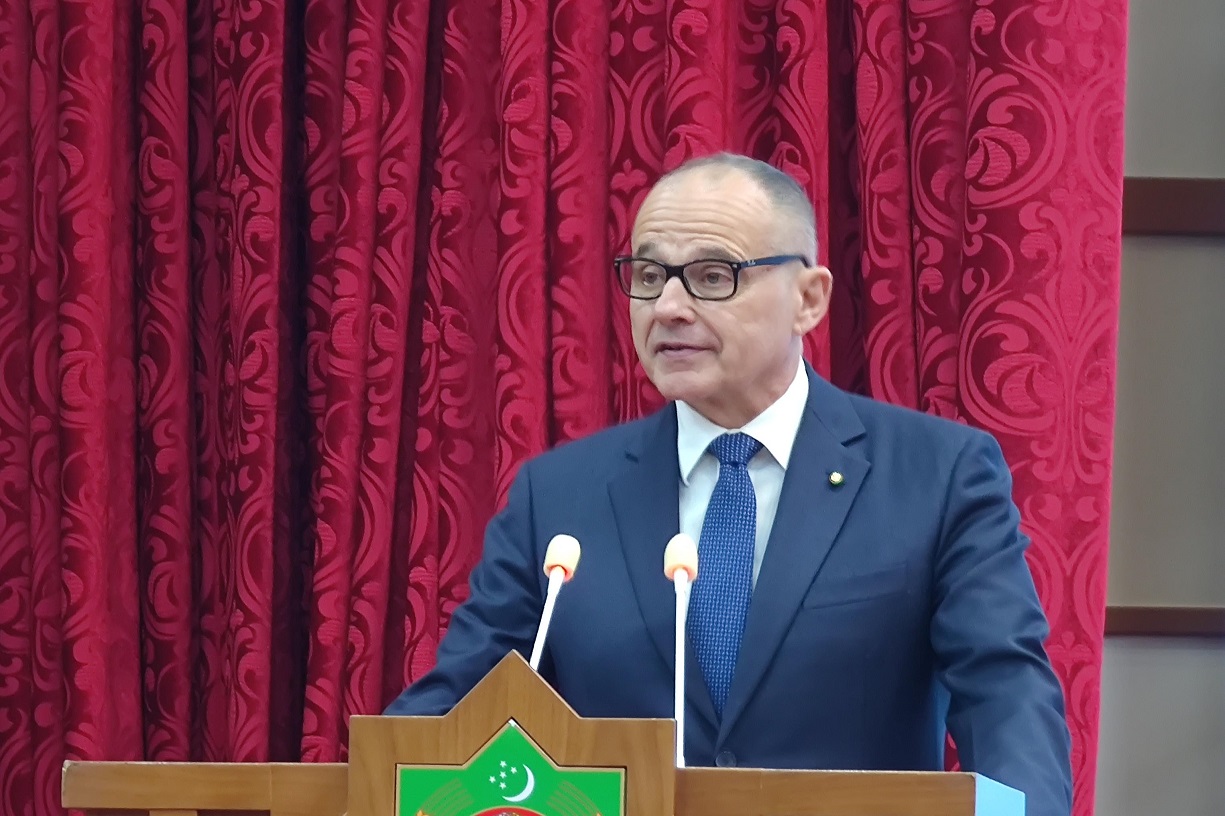
The official opening, moderated by UN Resident Coordinator Dmitry Shlapachenko, set the tone for the entire week: these were not just lectures, but intensive networking events. The presence of the British and Italian ambassadors, as well as the heads of UN agencies, underscored the international status of the venue.
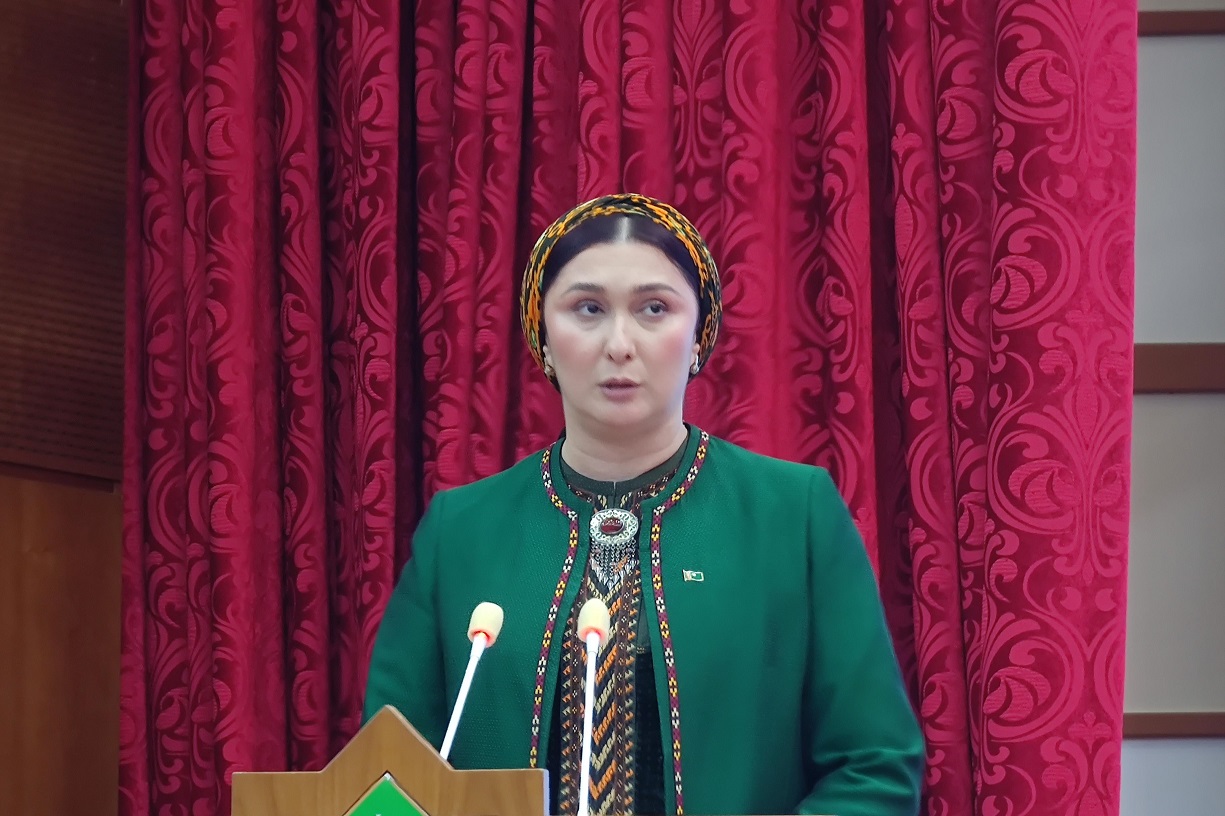
The speech by Deputy Foreign Minister of Turkmenistan Myahri Byashimova set the tone for the participants. She clearly outlined Turkmenistan's role as the initiator of such platforms.
"It is a great honor for neutral Turkmenistan to once again host representatives of regional states. Holding the training for the second time confirms the relevance of initiatives to build trust among young diplomats," the Deputy Minister emphasized.
Key messages from the speech:
Diplomacy as a tool for prevention: In the context of an increasingly complex global agenda, the role of a "culture of dialogue" is growing. Turkmenistan's status of permanent neutrality serves not simply as a legal framework, but as a practical tool for conflict prevention.
Turkmenistan at the 80th session of the UN General Assembly: The country continues to advance initiatives to strengthen the role of international law and expand preventive diplomacy mechanisms.
Regional Impetus: Byashimova focused on the Central Asian Youth Dialogue. Following successful meetings in Arkadag (2023) and New York (2025), the current training in Ashgabat will mark a new milestone in this process.
Program: From SDG Theory to Protocol Practice
After the official part at the IMO, participants moved to UN House, where the "deep" work began.
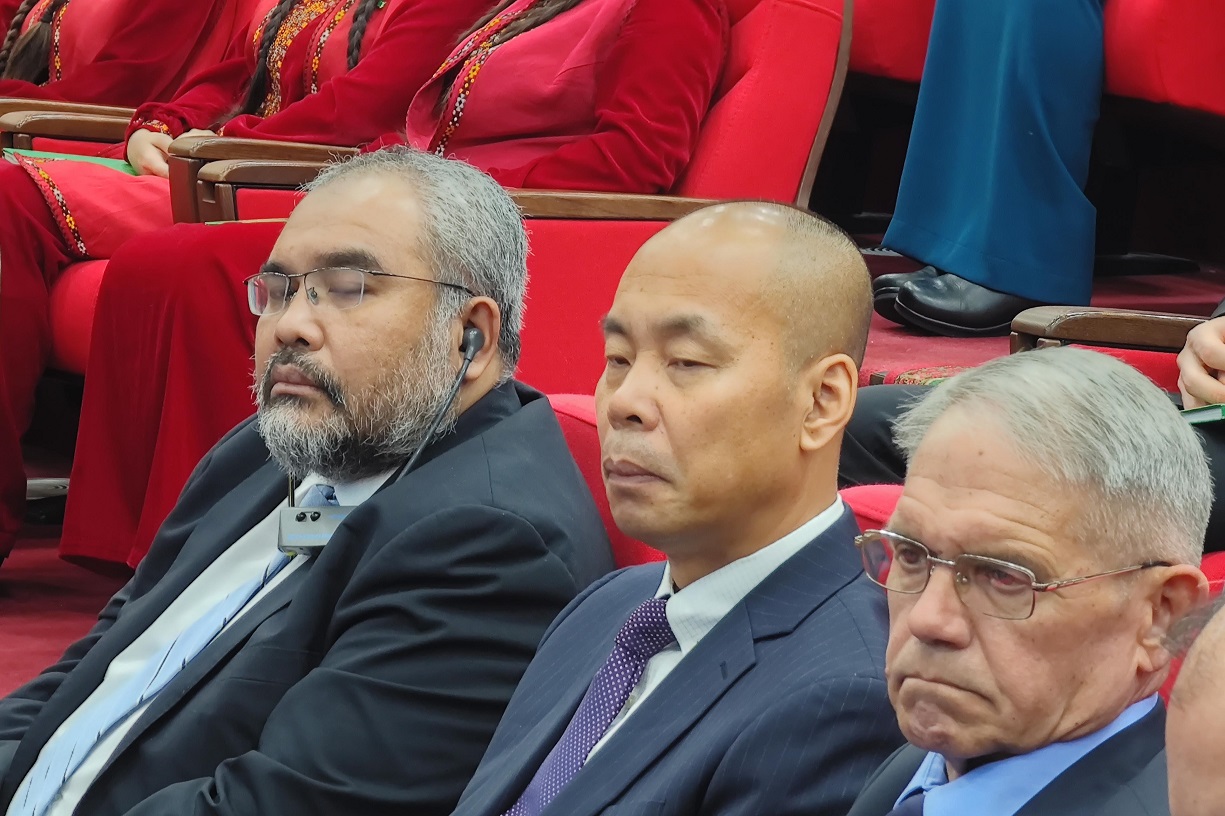
Day One: Immersion in the System. Participants examined the UN architecture and the 2030 Agenda (SDGs) in detail. Of particular interest was the session on the organization's humanitarian principles, moderated by Parvati Ramaswamy, UN Resident Coordinator in Tajikistan. The interactive format allowed young diplomats to immediately engage in discussions with UN senior management.
Intellectual Map of the Week:
March 10–11: The focus will shift to "hard" skills. Gender concepts, environmental policy, and water diplomacy, vital for the region. EBRD experts will conduct master classes on economic analysis—a skill no less essential for a modern diplomat than knowledge of protocol.
March 12: Field Test Day. The IIR will host a Regional Youth Dialogue, and specialists from the British Embassy will conduct training sessions on diplomatic etiquette and media relations.
March 13: The final session will focus on human rights and international law. The week will conclude with a casual meeting with ambassadors from Central Asian countries, a direct transfer of experience from masters to their successors.
Expected Outcomes: Connections More Important Than Certificates
The main outcome of the training is not only a deeper understanding of UN terminology. As Myahri Byashimova noted, building professional contacts today has long-term significance for the entire region. When these individuals assume senior positions, they won't have to "reacquaint themselves"—the foundation for constructive dialogue has already been laid in Ashgabat.
The training for young diplomats in Central Asia is not just an educational course, but a strategic initiative to create a unified intellectual space in the region. The project builds on the successful experience of 2025 and aims to establish sustainable professional ties between representatives of the foreign ministries of Kazakhstan, Kyrgyzstan, Tajikistan, Turkmenistan, and Uzbekistan.
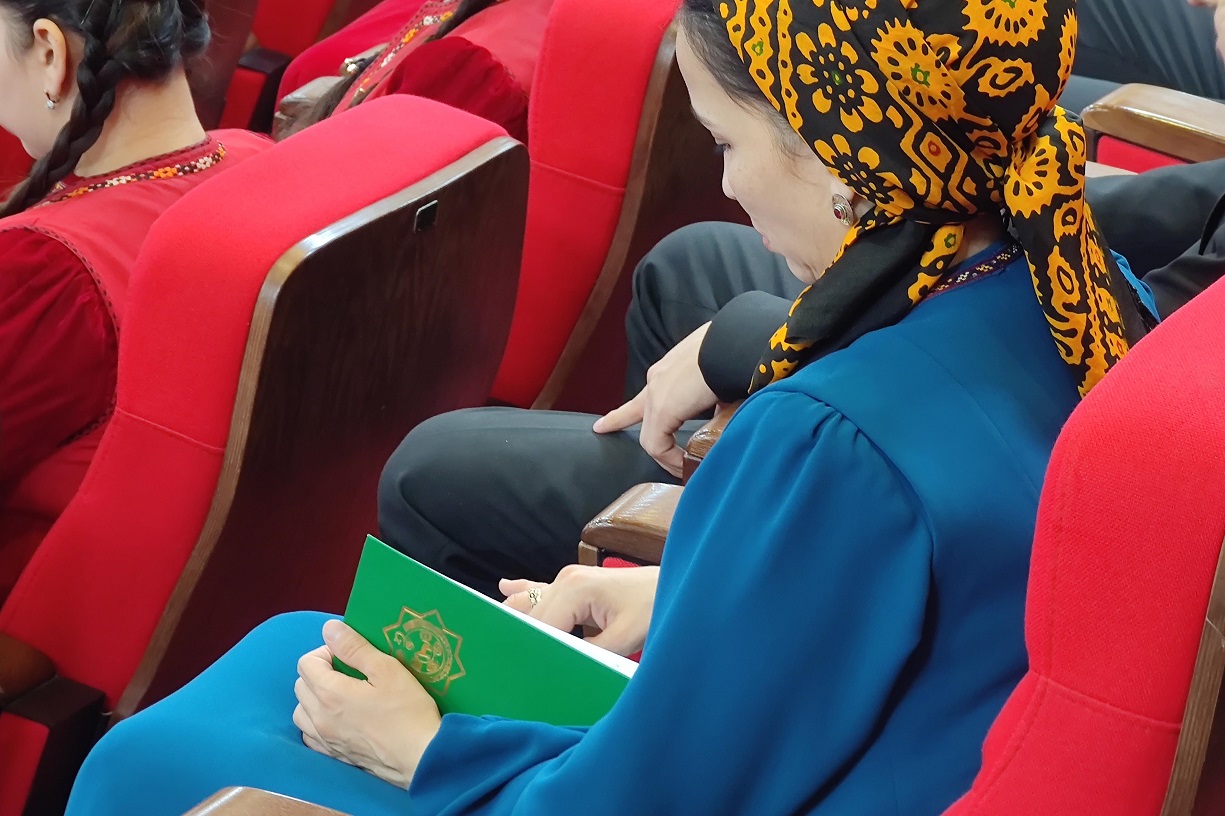
Under the auspices of the UN, participants are immersed in an interactive environment where the theoretical foundations of international law and the mandates of the Organization's key bodies are tested through situational simulations and role-playing exercises. In the context of global dynamics, the emphasis is shifting from passively studying regulations to actively mastering the tools of preventive diplomacy, gender policy, and economic analysis.
Ultimately, the initiative aims to ensure that the region's future political elite possesses not only a deep understanding of UN methodology but also a shared vision for ensuring stability and prosperity in Central Asia.