We are guided by what unites people




News
Articles
Media
Announcement
Technology
About Us
Contacts
Türkiye has long been one of the leading venues for major national and international cultural and artistic events. Among them, Istanbul holds a special place as one of the most visited cities in the world. Antalya, often referred to as the tourism capital of Türkiye, as well as Izmir and the country's capital Ankara, are also important cultural hubs. In recent years, however, growing attention has been drawn to events held across all seven regions of the country, adding new dimensions to Türkiye’s cultural landscape. One of the most remarkable of these events is the Mardin Biennial, taking place this year from May 15 to June 21.
A member of the International Biennial Association, the Mardin Biennial was established in 2010 with the aim of transforming Mardin—the jewel of Southeastern Anatolia—into a center of contemporary art while introducing new ideas and artistic perspectives to the region through the universal language of art. Over the years, the biennial has become a meeting point for artists and art enthusiasts. This year, for the seventh time, it brings together more than 40 artists from around 20 countries.
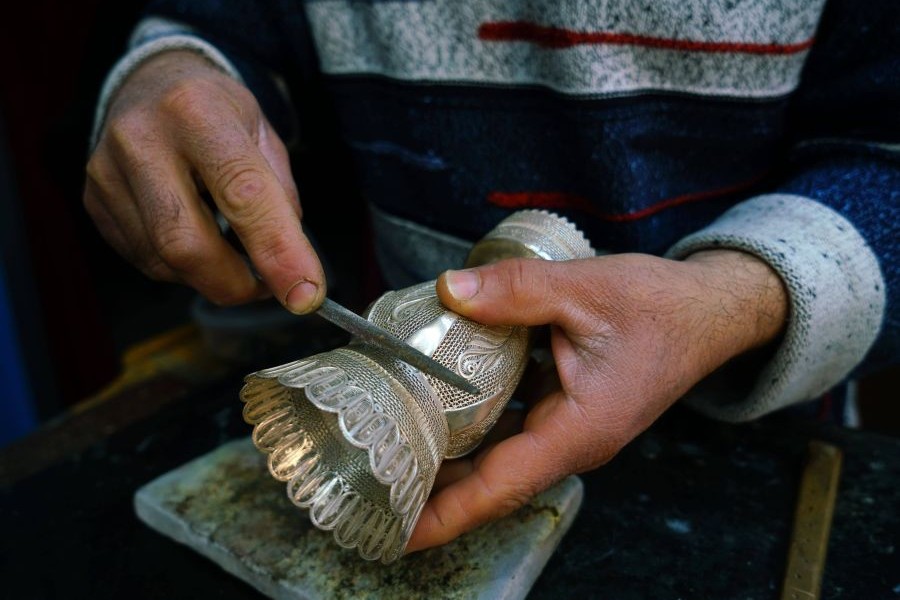
The Mardin Biennial offers visitors a unique opportunity to explore thought-provoking works across various artistic disciplines while immersing themselves in the rich cultural atmosphere of historic Mardin.
From Sky to Stone: Architecture Inspired by Time

The curator of the seventh Mardin Biennial is Çelenk Bafra, a curator and director of numerous exhibitions and artistic programs in Türkiye, Germany, the United Kingdom, Denmark, the Netherlands, Italy, and France. This year’s biennial is held under the theme “GÖKzemin” (“Sky and Earth”). The event invites visitors on a journey between seemingly opposite poles—sky and earth, the individual and the collective, the past and the future—creating subtle emotional and philosophical connections between them. In addition to art exhibitions, the program includes artist workshops, readings, lectures, discussions, and musical performances.
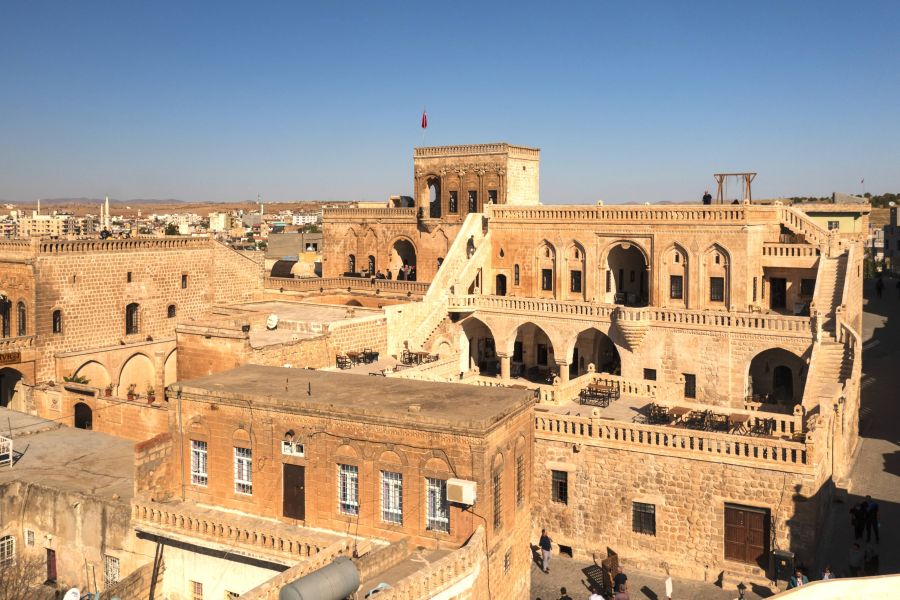
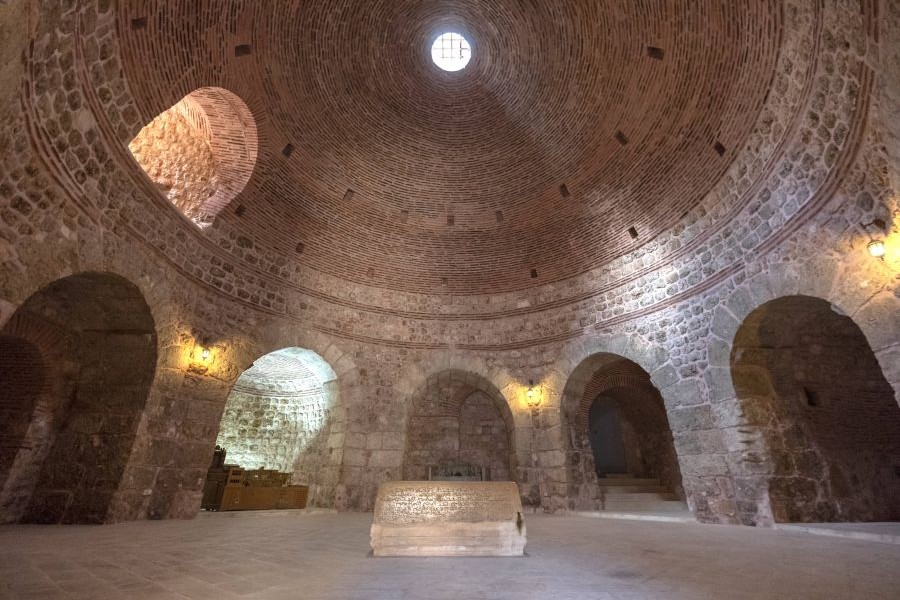
In 2026, the biennial expands beyond the Old City for the first time, encompassing a variety of venues throughout the region. At its core is Mardin’s multilayered cultural heritage. Biennial venues include the Ancient City of Dara, Deyrulzafaran Monastery, Ateş Beyler Hammam, the Sakıp Sabancı Mardin City Museum in the Old City, and various public spaces.
Mardin: Where History, Culture, and Gastronomy Meet
Mardin is an ancient crossroads of civilizations and trade routes and one of the hidden treasures of Southeastern Anatolia. Often described as an open-air museum, the city reflects the multilayered heritage of Upper Mesopotamia, shaped by dozens of cultures over thousands of years. Among Mardin’s most visited landmarks are the Great Mosque of Mardin, Deyrulzafaran Monastery, Mor Behnam Church, Zinciriye Madrasa, and Kasımiye Madrasa. Nearby are Mor Gabriel Monastery and the Ancient City of Dara, often referred to as the “Ephesus of Mesopotamia” because of its exceptional historical significance.
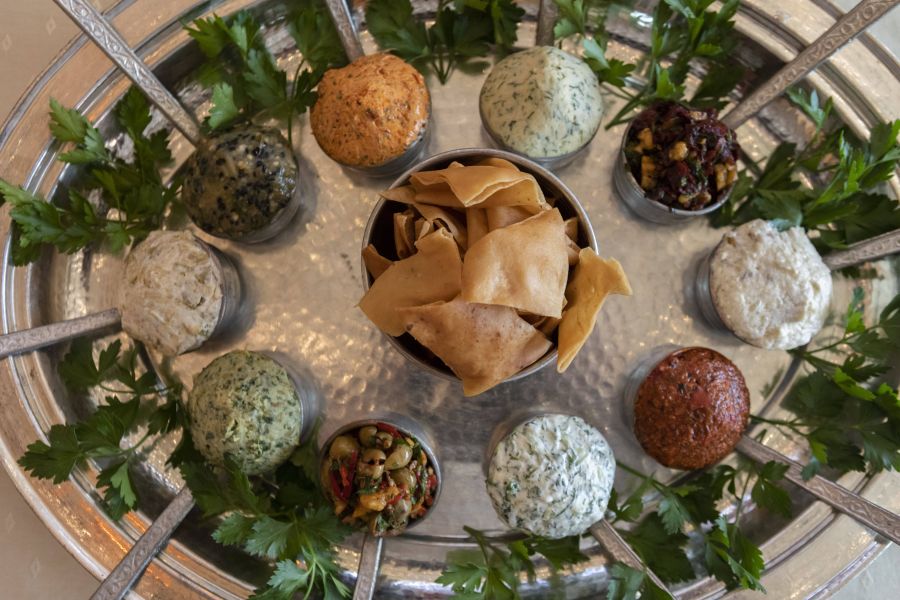
This rich cultural heritage is also reflected in the region’s cuisine. From traditional Mardin breakfasts to aromatic meat dishes seasoned with local spices and geographically indicated specialties such as “sembusek” (a meat-filled pastry) and Mardin-style “içli köfte” (bulgur dumplings stuffed with meat, known as “ikbebet” when boiled and “irok” when fried), the city offers a true culinary journey. Traditional Assyrian wine provides the perfect accompaniment to these dishes.
How to Get There? Mardin can be reached via direct flights from Istanbul, Ankara, Izmir, and Antalya. The flight from Istanbul to Mardin takes approximately two hours. From the airport, visitors can reach the city center by rental car, bus, or taxi.
Where to Stay? Mardin offers a wide range of accommodation options, from international hotel chains to charming guesthouses. Those seeking an authentic experience should consider staying in a restored historic mansion in the Old City.
What to See? In addition to the city’s main attractions, visitors should pay special attention to Mardin’s famous “abbara” passages—covered archways connecting streets and alleyways that form an important part of the city’s unique urban structure.
What to Taste? After lunch or dinner, be sure to try “dibek” coffee, a rich local specialty that symbolizes Mardin’s renowned hospitality.
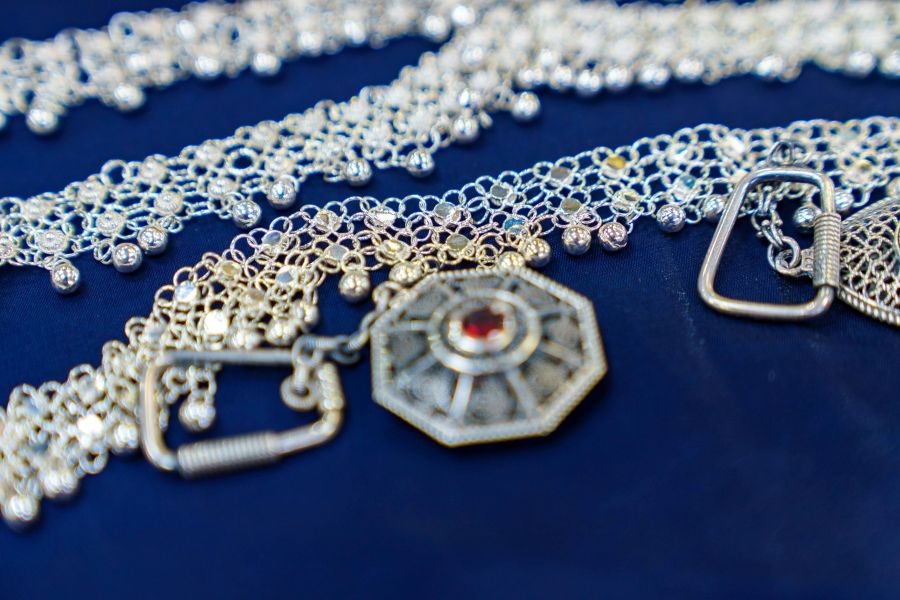
What to Bring Home? Popular souvenirs include Mardin’s famous blue almonds dyed with natural pigments from Lahor trees, delicate “telkari” filigree jewelry, “tesbih” prayer beads, Assyrian wine, and traditional “bıttım” soap.
ORIENT
