We are guided by what unites people




News
Articles
Media
Announcement
Technology
About Us
Contacts

In recent years, scientific and technological innovations in China have increasingly focused on one primary goal: improving the well-being of the population and enhancing the quality of daily life. This pragmatic, application-oriented approach has transformed advanced technologies—from humanoid robots making sandwiches to satellites optimizing agriculture—into an integral part of the lives of billions. Rather than remaining confined to laboratories, innovations in China solve real daily problems, reinforcing a sense of satisfaction, happiness, and security.
At a recent conference on home service robots, humanoid machines demonstrated an impressive range of domestic skills: cooking, clearing tables, neatly folding clothes, and even serving as English teachers for children. This demonstration symbolized a new era: innovations are not just scientific achievements but tools for practical life improvements.
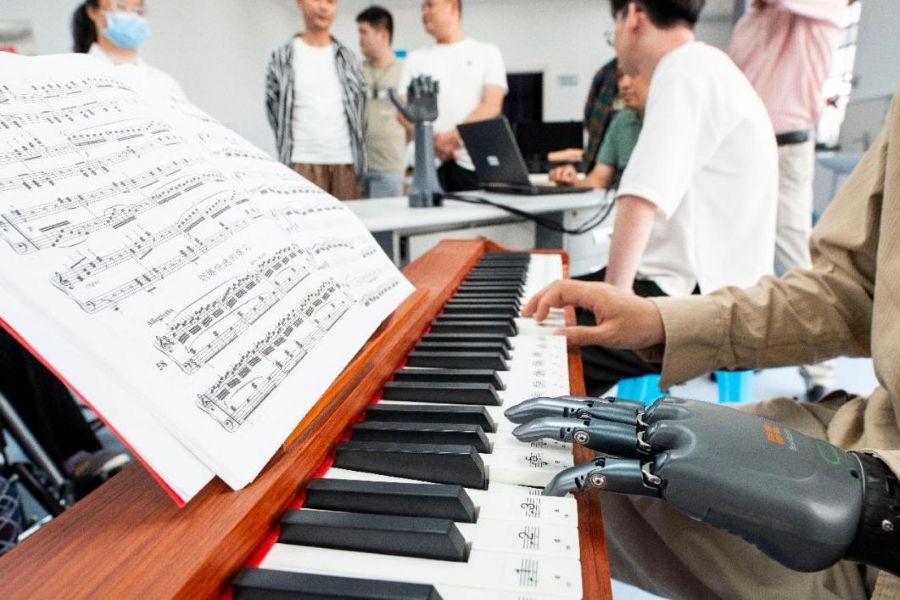
From Home Comfort to Elder Care: Humanizing Technology
The focus of “small but beautiful” innovations is on the home and social sphere. These technologies integrate into daily life, reflecting society’s growing demand for higher comfort and quality of living.
One of the most significant sectors for technology adoption is elder care. With increasing life expectancy and a growing elderly population, the demand for quality and responsive care is rising. Smart bracelets equipped with health sensors and intelligent canes that detect falls and summon help have become standard in care facilities. These simple yet effective devices improve service efficiency, give seniors greater independence, and provide confidence and peace of mind for families.
AI-based navigation systems in hospitals offer another example of humanized technology. Visiting a large hospital often involves finding the right office or lab. AI navigation simplifies medical visits, optimizes routes, and reduces waiting time, saving time while lowering stress and making healthcare interactions more comfortable.
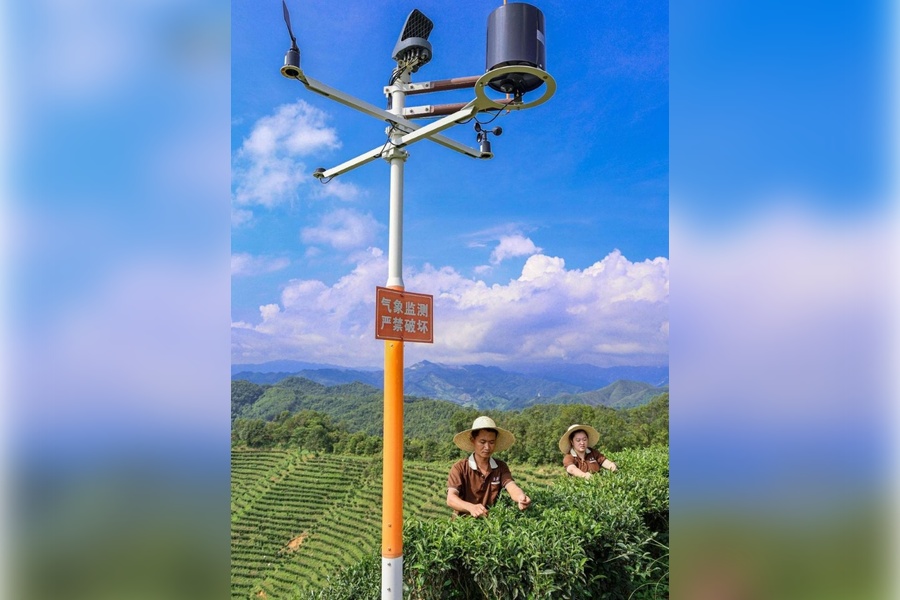
High-Tech in Traditional Sectors
Innovations in China go beyond consumer markets, deeply penetrating traditional and essential industries, significantly increasing productivity and resilience.
Agriculture, a critical sector for a country of over a billion people, is undergoing a digital revolution. Smart combines capable of processing up to 600 kilograms of grain per minute reduce harvesting time and minimize losses.
Frequent satellite launches by commercial space companies also enable “smart agriculture.” These satellites provide high-resolution data that allow farmers to monitor soil conditions, moisture, and crop health accurately. By 2025, China’s commercial space sector is projected to reach 2.8 trillion yuan, highlighting the economic potential of these technologies in optimizing food security.
Orthopedic and endoscopic surgical robots developed in China are widely used in operations, increasing precision, reducing invasiveness, and speeding patient recovery, making high-tech medicine more accessible.
Major infrastructure projects further demonstrate China’s ability to scale innovations:
• The Fuxing CR450 high-speed train promises significantly improved passenger and freight transport efficiency, stimulating the railway equipment sector (expected market value over 1 trillion yuan).
• Nuclear units like Hualun-1 and Gokhe-1 generate over 10 billion kWh of electricity annually, supplying millions of households with stable, low-carbon energy—essential for sustainable development and energy security.
Driving Force: People’s Needs Accelerate Scientific Progress
The deep integration of technology into daily life is driven not only by government funding but also by China’s unique market dynamics.
As German philosopher Friedrich Engels noted, “Whenever a technical need arises in society, it drives science further than ten universities.” With over 1.4 billion people and more than 400 million middle-income citizens, China represents the world’s largest market for practical innovation.
As daily demand grows and industries seek innovations, a powerful synergy of supply and demand emerges. This market-driven, application-focused model turns scientific potential into tangible benefits, ensuring broad access to progress.
Pragmatism is evident in social welfare. Widespread adoption of digital social security cards resolves long-standing bureaucratic challenges:
• People can receive benefits.
• Transfer funds from pension accounts.
• Submit applications online.
This reduces in-person visits to government offices, enhancing data-driven efficiency. Pragmatic innovations allow China to address everyday and long-standing livelihood issues, continually reinforcing citizens’ sense of satisfaction and security.
Technology for the Public Good: Ethical and Governance Balance
At a deeper level, technology development for societal benefit not only raises living standards but also shapes the trajectory of innovations themselves. New technologies—AI, biomedicine, gene editing—drive growth while raising complex ethical and governance challenges.
For instance, large language models raise data privacy concerns, while face-swapping (deepfake) and voice cloning technologies carry potential risks for fraud and misinformation.
Consequently, technological innovations are no longer just technical endeavors; they entail ethical, governance, and social consequences. To maximize progress benefits while managing associated risks, the principle of “technology for good” must be paired with robust legal and regulatory frameworks.
As José María Viera, Executive Director of the International Disability Alliance, observed regarding China’s investments: “China is investing more resources so people with disabilities can live the life they want.” This underscores how technological applications open new pathways to societal well-being and greater social equity.
Ultimately, China continues to prioritize the practical application of advanced technologies, ensuring that the benefits of progress are widely distributed and serve not abstract scientific goals, but the foundation for a better, safer, and more fulfilling life for all citizens.
ORIENT