We are guided by what unites people




News
Articles
Media
Announcement
Technology
About Us
Contacts

The archaeological world is discussing a major discovery at the Abusir necropolis near Cairo. An Italian expedition has uncovered a massive solar temple, which belonged to the solar complex of Pharaoh Nyuserre (about 2400 BC). This discovery not only adds to the list of monuments, but also changes our understanding of the architecture and beliefs of the Pyramid-Building Age.
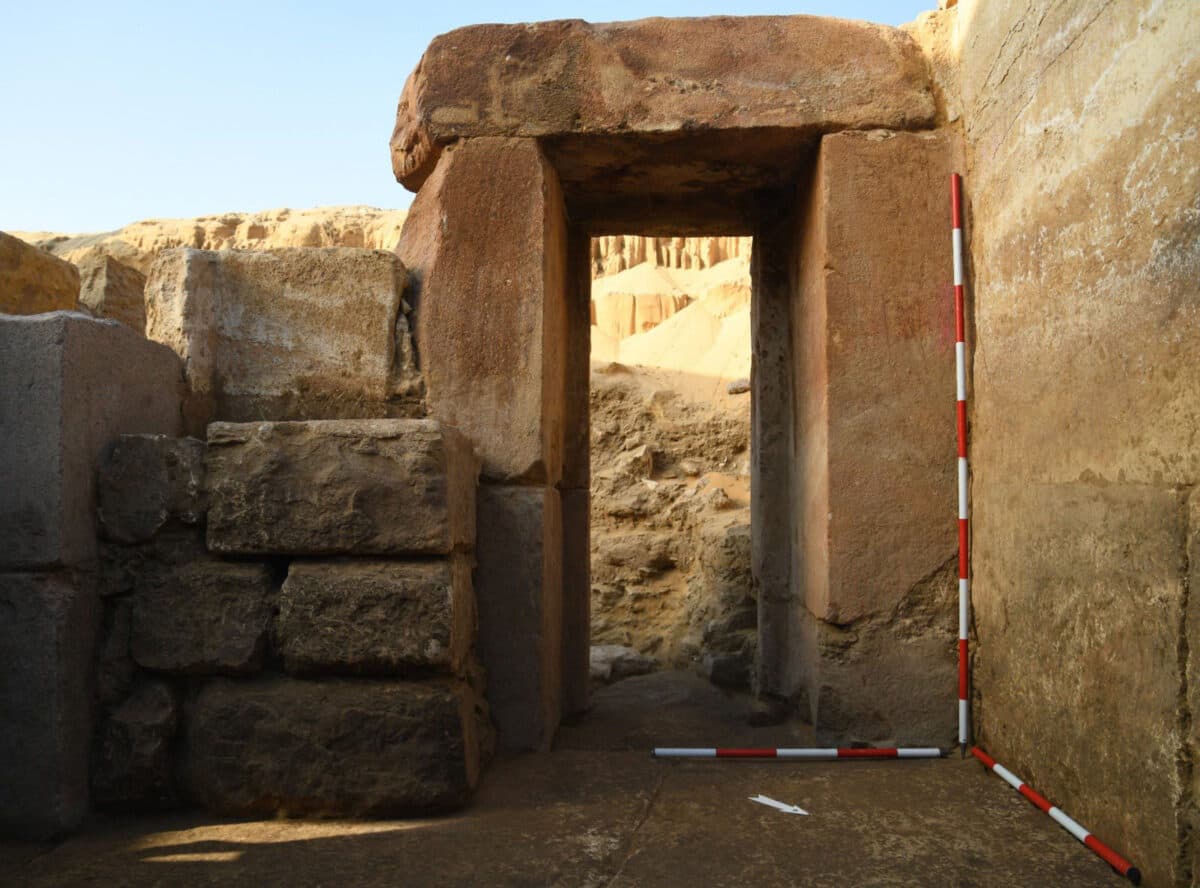
Sun temples are a rare type of structure in Ancient Egypt. According to historical records, there were six of them, but scholars have so far identified only two, including the temple of Nyuserre. This complex, dedicated to the cult of the sun, covers over 1,000 square meters and features a unique layout, a granite colonnade, and a massive threshold decorated with hieroglyphs.
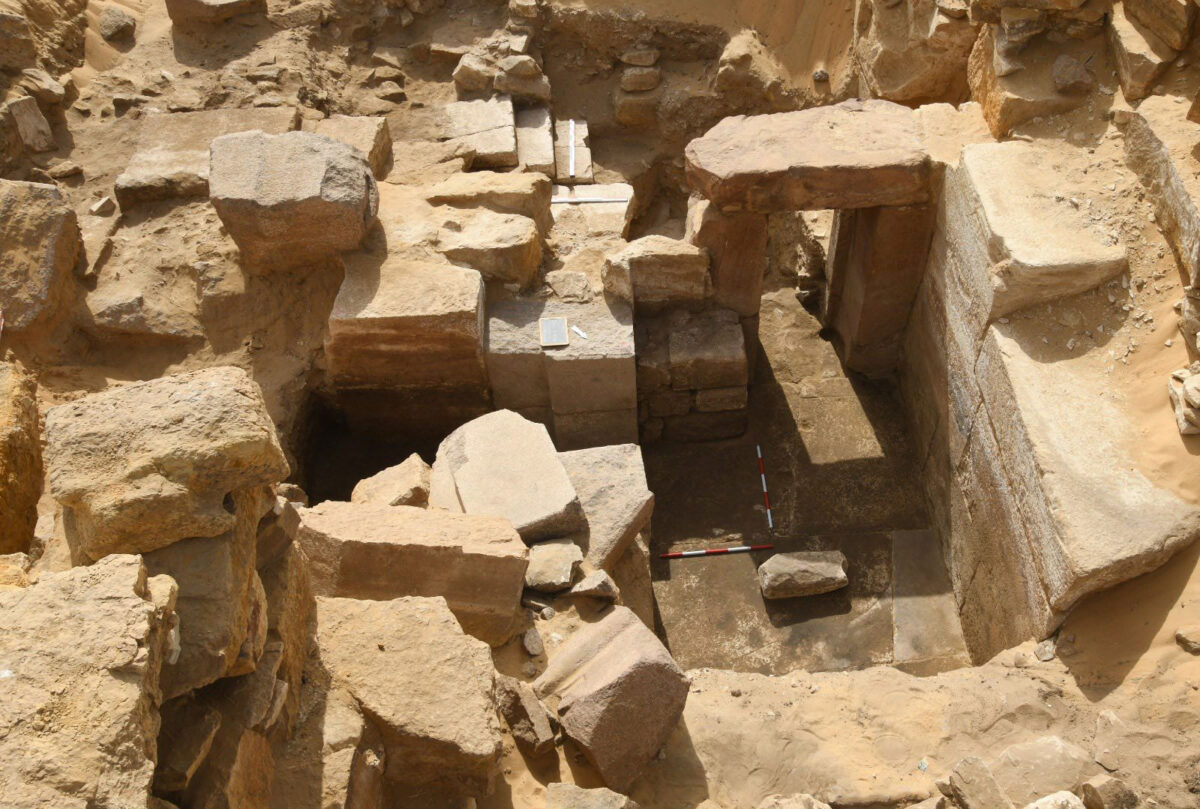
A hieroglyphic calendar was found on the temple walls, detailing the religious holidays of the era. It is an invaluable source of information about the spiritual life of the Egyptians 4,400 years ago.
The finds include not only statues but also everyday objects, such as wooden pieces for the ancient game of Senet (the precursor to chess) and the remains of pottery, providing a literal glimpse into the leisure activities of ancient priests.
Recently, in November 2025, the Grand Egyptian Museum (GEM), the world's largest archaeological center, officially opened in Cairo. The finds from Abusir are expected to feature prominently there.