||
On December 18, the people of Qatar, one of the richest and most influential countries in the world, celebrate their National Day. The current appearance of this fabulously wealthy state is determined by a combination of colossal revenues from gas exports, state-of-the-art infrastructure, and active global diplomacy.
You might be surprised, but just over a hundred years ago, this region was one of the poorest regions in the world. Until the 1930s, Qatar was a small country with limited resources, dominated by a desert landscape and an extremely sparse population. According to estimates from 1946, only about 7,000 people lived there—almost the size of a small Turkmen town or village.
The Qataris' livelihoods were entirely dependent on nomadic herding and fishing, but most importantly, on pearl diving. However, in the 1930s, this industry collapsed due to the advent of cultured pearl technology in Japan. Furthermore, the Qataris' already miserable situation was exacerbated by the Great Depression—the largest and deepest global economic crisis, which lasted from 1929 to 1939. All of this combined resulted in widespread poverty and its extreme form—destitution.
Hope for improvement arose in 1939, when the first oil was discovered in Qatar. However, its export only began in 1949 due to World War II. And although oil revenues gradually began to change the country's appearance from the 1950s onward, the capacity of the first oil refineries was insufficient even for domestic needs.
It wasn't until a couple of decades later, around the 1970s, that oil revenues began to transform Qatar into a modern state with free education and healthcare. However, compared to Saudi Arabia or Kuwait, the country still remained a "junior partner" in the Gulf (for reference: Iranians and most international organizations call it the "Persian Gulf," while Arabs, understandably, call it the "Arab Gulf").
Only a couple of decades later, sometime in the 1970s, did oil revenues begin to transform Qatar into a modern state with free education and healthcare. However, compared to Saudi Arabia or Kuwait, the country was still a "junior partner" in the Gulf (for reference: Iranians and most international organizations call it the "Persian Gulf," while Arabs, understandably, call it the "Arab Gulf").
This seemed like good news – in 1971, a gigantic gas field was discovered in the aforementioned Gulf, the southern part of which belongs to Qatar, and the northern part to Iran!
But at that time, gas was considered a useless byproduct, as it was impossible to transport it over long distances. And without LNG technology, which was developed later, gas was supplied through pipelines – and even then, only to immediate neighbors, whose needs were limited. Therefore, oil continued to be Qatar's main budget-generating industry.
But another disaster befell the Qataris in the 1980s, when oil prices plummeted worldwide. The country once again faced a severe economic downturn.
And then the country's leadership took a bold risk. From the mid-1980s and 1990s, Qatar poured all its resources (billions of dollars) into building liquefied natural gas plants. And the risk paid off.
The first LNG export to Japan took place in 1996, marking the beginning of Qatar's meteoric rise. (It was in this year that Turkmenistan, which was gaining economic momentum, established diplomatic relations with Qatar.) And just a few years later, by the early 2000s, this small emirate in the Middle East became one of the richest countries on the planet!
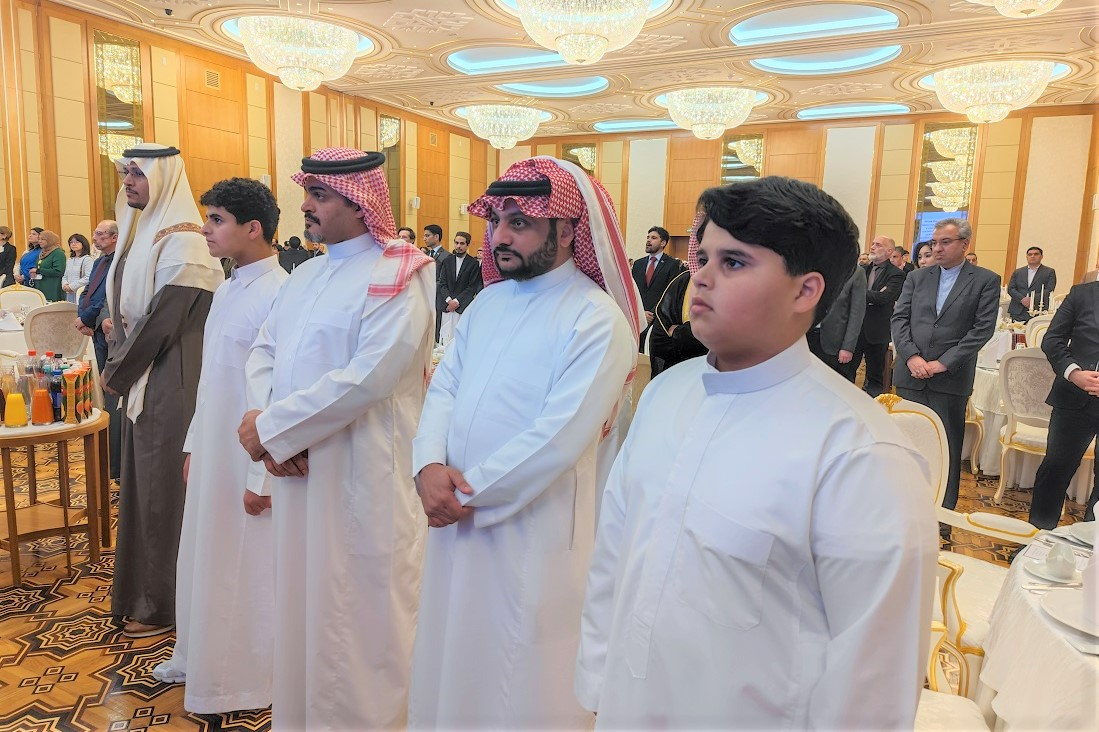
…Qatari people, who love their homeland selflessly, celebrate their National Day every year on December 18. They celebrate with great pomp and circumstance, demonstrating national pride and unity, befitting their status as a wealthy country.
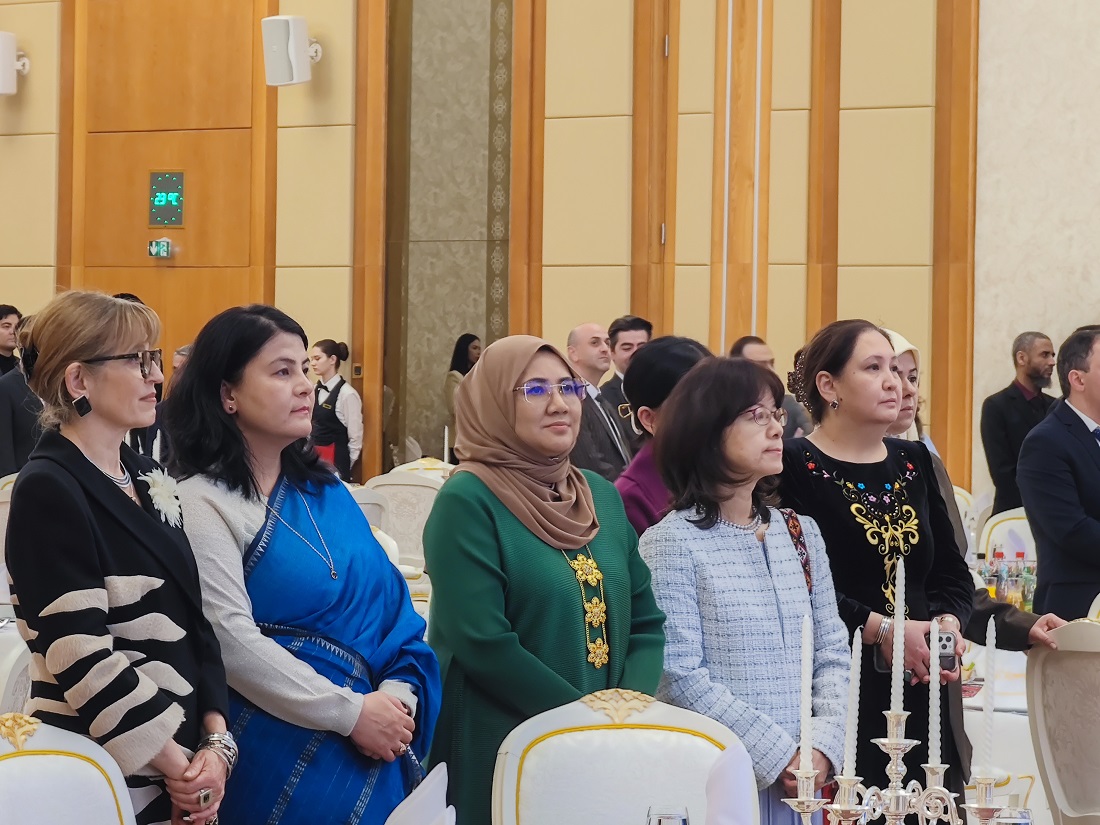
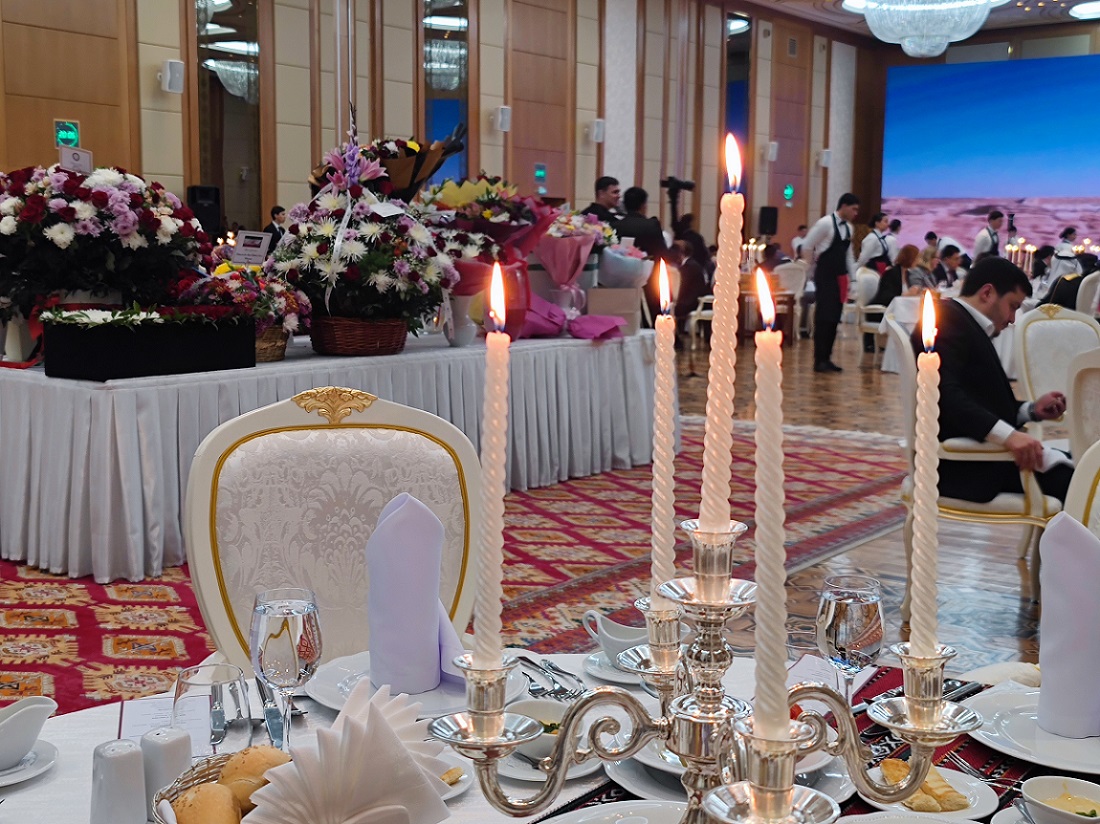
On the eve of this date, a reception to mark Qatar National Day was held at the Yildiz Hotel in Ashgabat. The official reception ceremony was preceded by an exhibition briefly covering the history and modern life of this country.
As someone who has visited this country three times, I was delighted to examine the photographs and exhibits, recalling my encounters with the locals and their endless stories about their national traditions. These traditions, incidentally, are in many ways resonant with the Turkmen way of life.
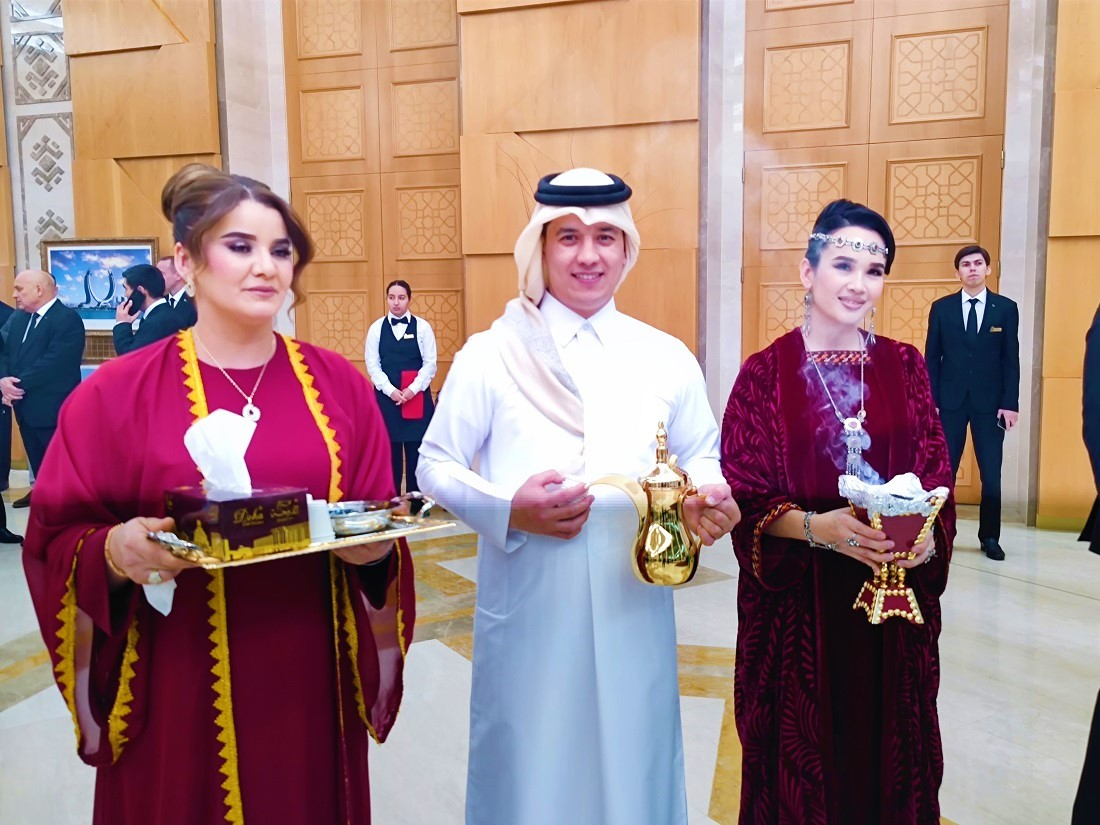
First and foremost, it's hospitality. For Qataris, as for Turkmens, this is not just politeness, but a sacred duty and the basis of national identity, rooted in the distant past.
The heart of a Qatari home is a special room for receiving guests, called a "majlis." It is even included on UNESCO's List of Intangible Cultural Heritage as a symbol of unity and generosity.
Furthermore, this year Qatar is hosting youth programs called "Majlis of the Future," aimed at preserving this form of communication for future generations.
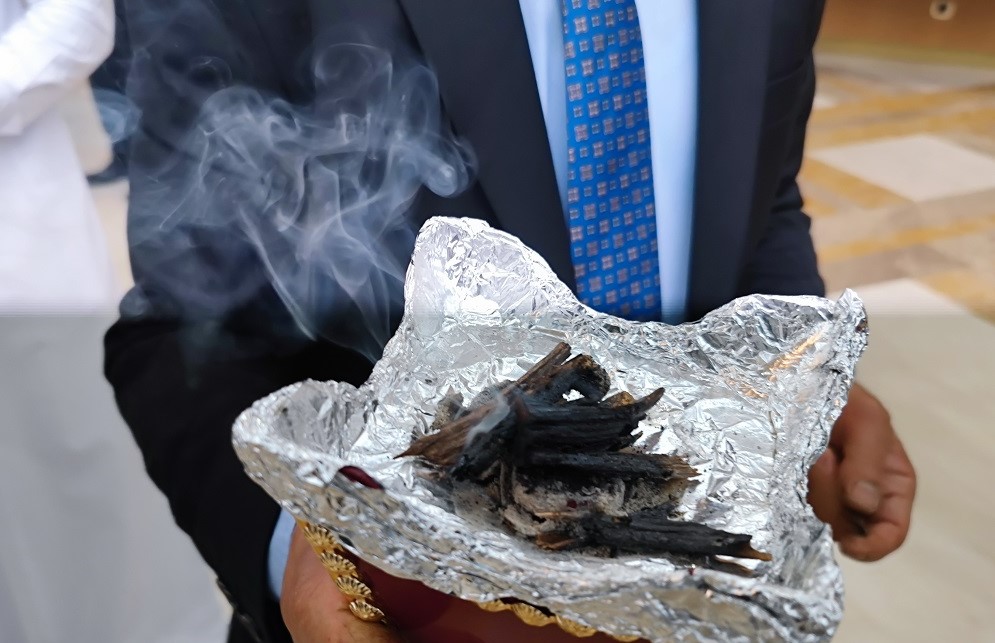
When welcoming guests, Qataris burn aromatic and medicinal herbs. This ritual is a centuries-old tradition of hospitality and an obligatory gesture of politeness.
The hosts themselves inhale the medicinal smoke and invite their guests to do the same. The incense burner is passed around so that everyone can inhale the fragrant smoke onto their clothes and hair.
The fuming mixture contains natural ingredients with antibacterial and antimicrobial properties. Qataris say this healing smoke purifies the air in the room and helps prevent colds.
Well, how can we not recall the famous Turkmen yuzarlik!
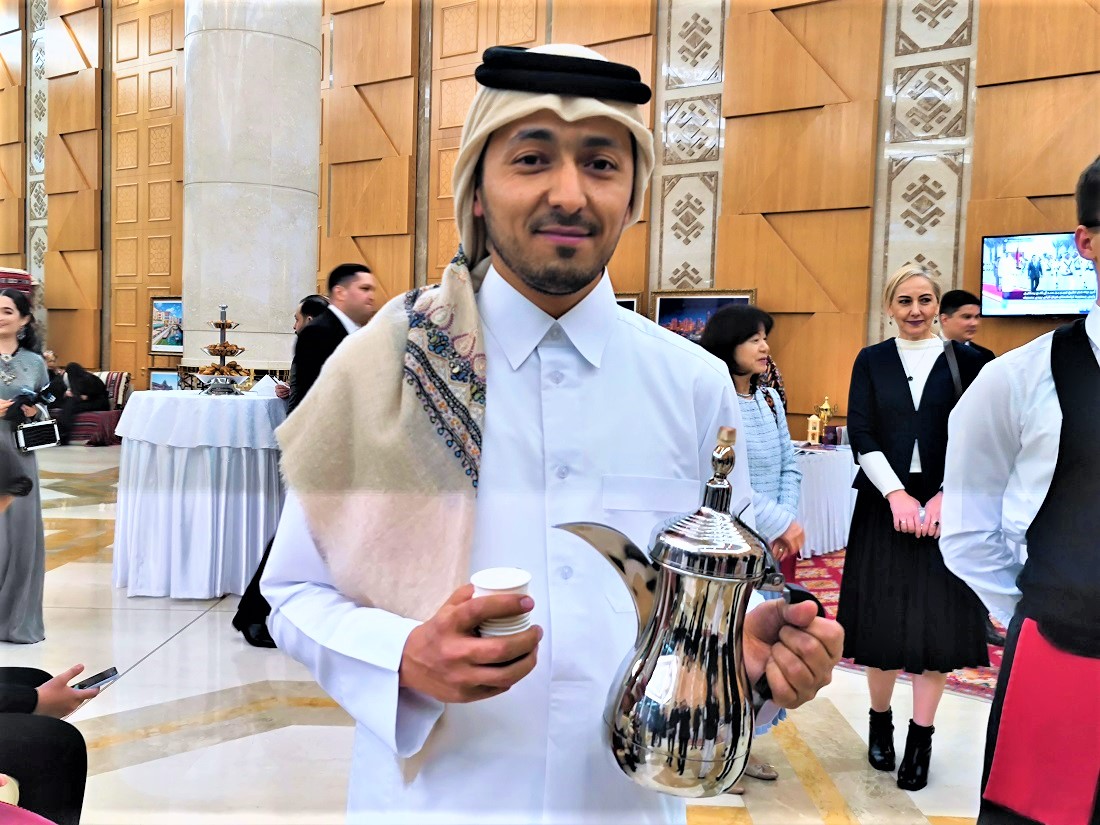
Qataris always greet guests with Arabic coffee with cardamom, poured from a coffee pot into small cups without handles. This demonstrates the hosts' warmth and hospitality.
Turkmens also have this ancient tradition, but our ancestors greeted guests with aromatic green tea. Just 50 years ago, anyone who crossed the threshold of a Turkmen home was presented with a bowl and a pot of hot tea, without even asking. Nowadays, guests are offered a choice of tea or coffee.
According to ancient tradition, both Qataris and Turkmens hold that a guest is under the host's full protection. Even if a stranger enters your home, they can expect a warm welcome and a meal. "Pay special homage to a guest!" goes the Turkmen proverb. And that's where any potential discussions would end, without even beginning.
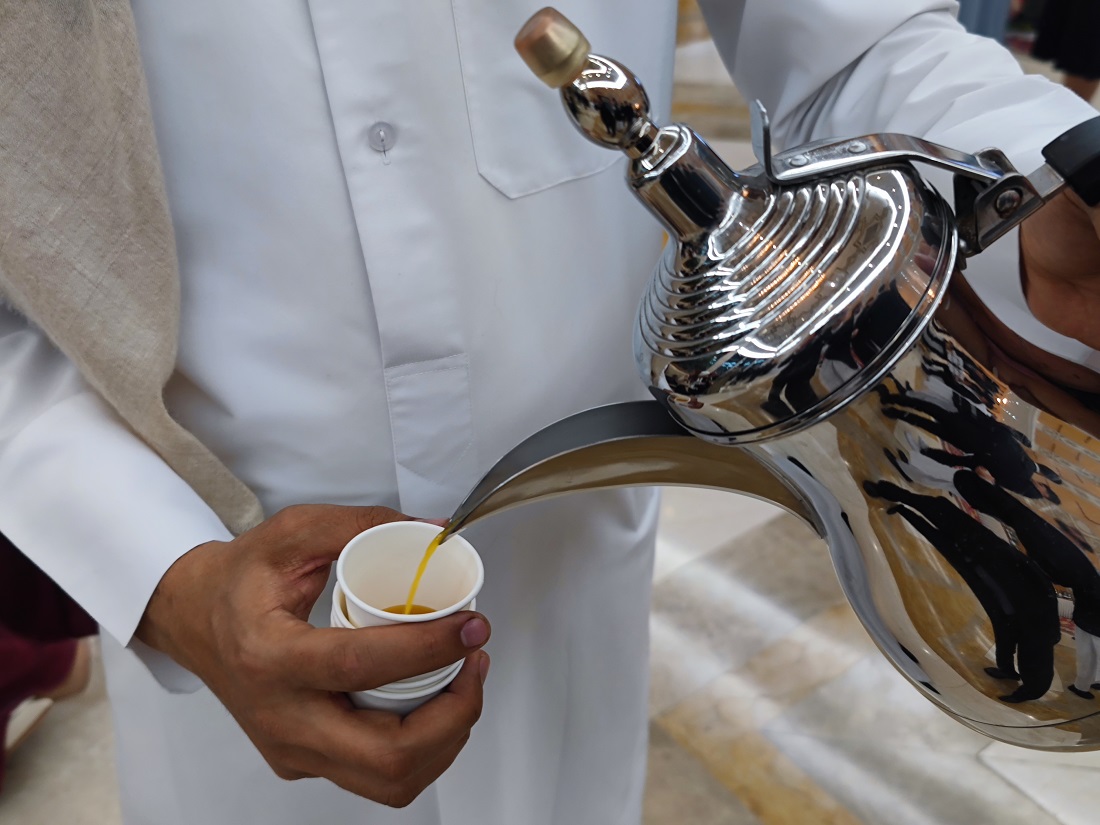
In Qatar, welcoming a guest with coffee is more than just offering a drink; it's a ritual with its own subtle nuances, reflecting the heart of Qatari culture. Refusing coffee is considered impolite, so it's best to sample even a small portion.
Just like with the Turkmen, if you enter a house where the hosts are having dinner, you will immediately be invited to share the meal with them. Even if you've just finished lunch, to avoid offending a Turkmen, you will need to try at least a small portion of the food and say "thank you" to the hosts!
Hospitality is a central theme of Qatari national holidays, where Bedouin camps are recreated to teach children and tourists the art of welcoming guests.
At an exhibition in honor of Qatar National Day held at the Yildiz Hotel, one could see how women use henna to decorate their hands with various patterns. It is not only an art form but also an ancient tradition in Qatar, deeply rooted in the culture and lifestyle of local women.
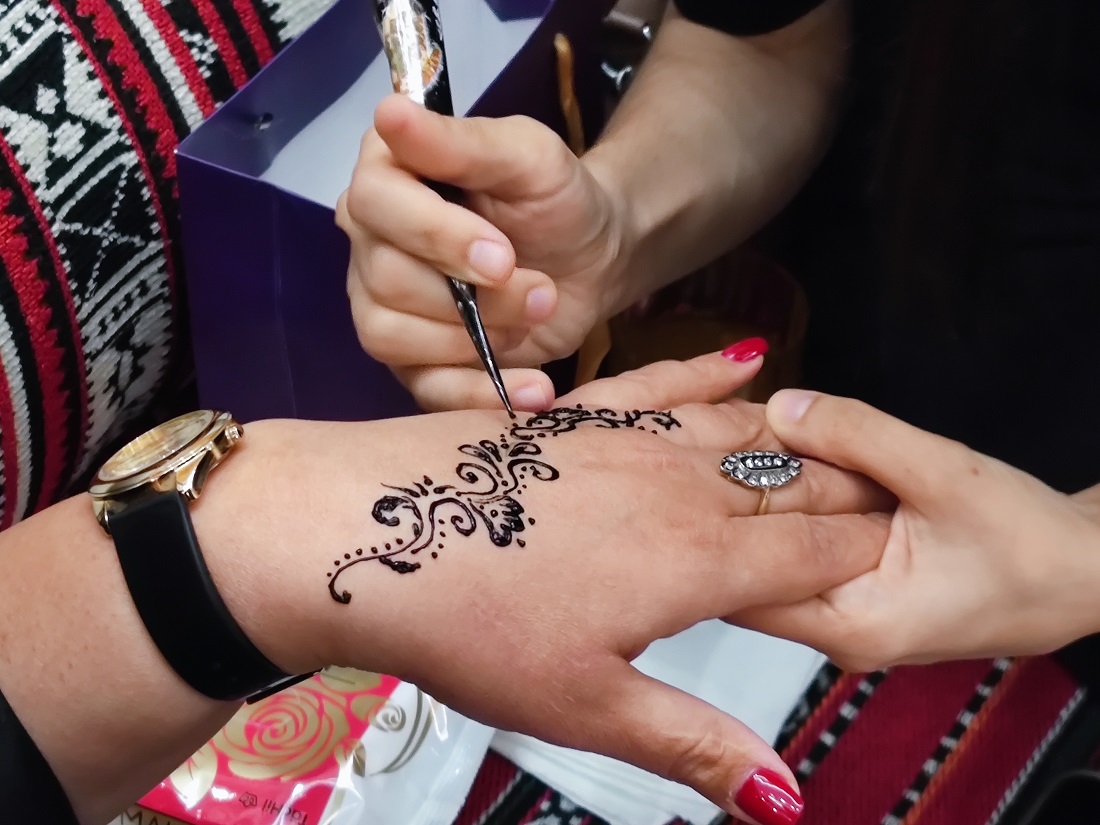
Even in ancient times, beautiful women believed that henna also protected them from evil spirits. Perhaps so. Although who knows what nonsense might spring from a woman's thoughts.
Historically, the tradition of decorating women's hands with designs was widespread throughout the Middle East. This ancient practice still unites women of different ages, generations, and countries, serving as a way to express femininity and cultural identity within the strict rules of Arab society.
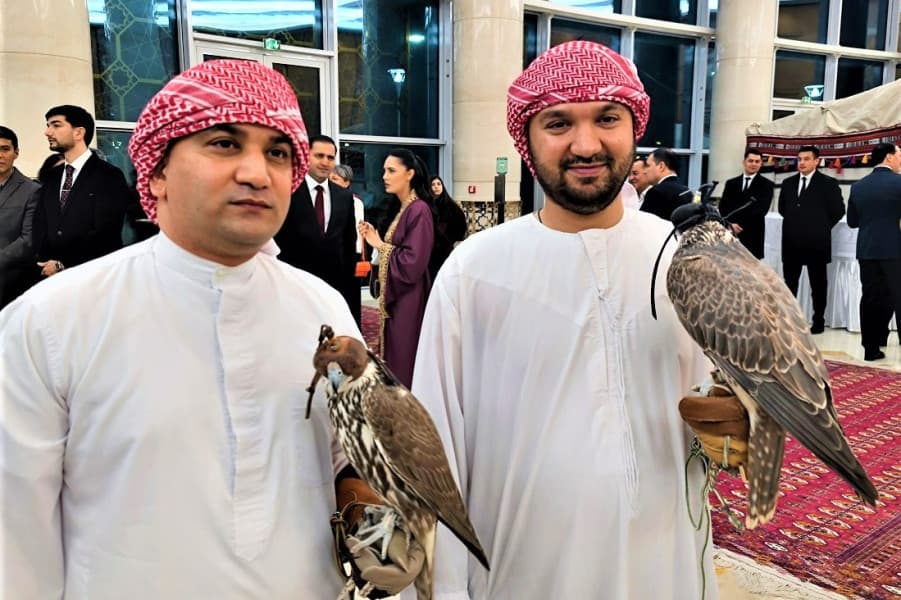
The attitude of Qataris toward falcons, like that of Turkmens, is unique. It goes far beyond a simple hobby—it is a deeply ingrained element of national culture and identity.
The tradition of falconry dates back thousands of years, dating back to the times of nomadic tribes. Initially, it was not a pastime, as it is today, but a vital necessity.
In the harsh desert conditions, where food was hard to come by, the ancestors of the Qatari and Turkmen peoples captured and trained wild falcons to hunt migratory birds and hares. This was an effective way to supplement their meager diet.
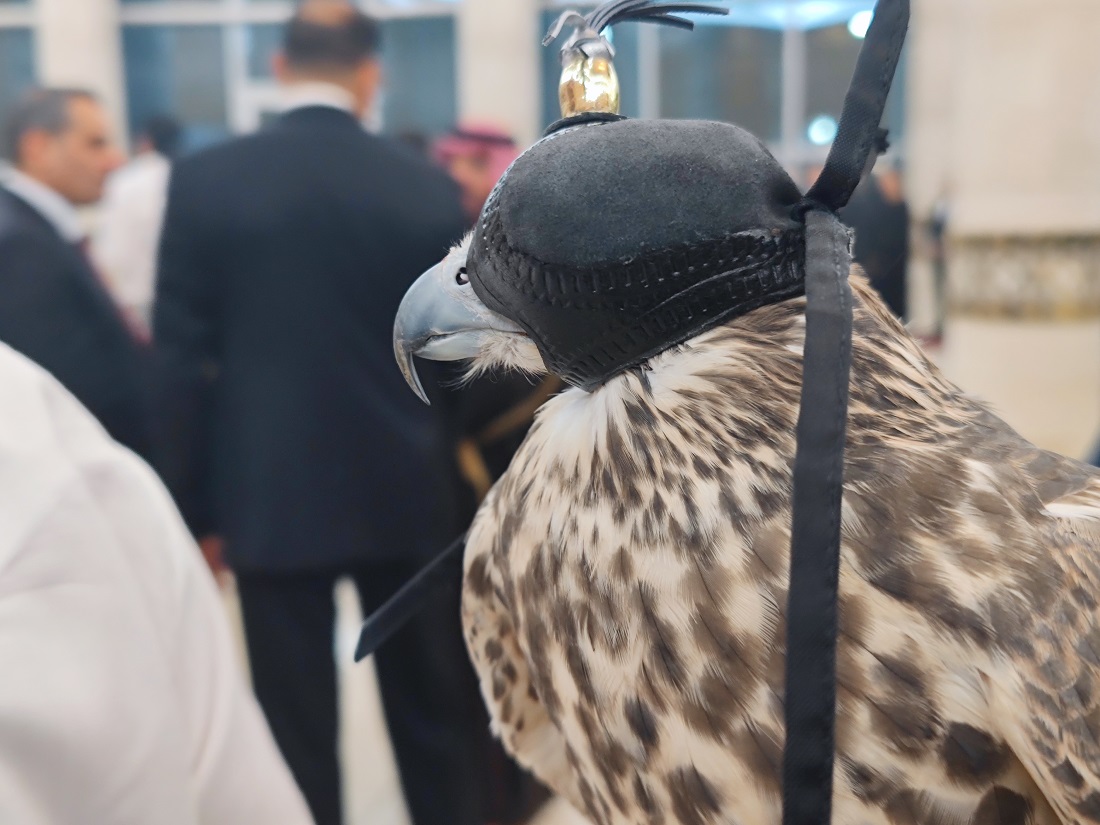
The process of taming and training a wild bird of prey required immense patience, skill, and a deep bond between man and bird, which Qatari and Turkmen falconers successfully demonstrate.
These qualities—patience, endurance, courage, and self-confidence—became associated with the falconers and the bird itself, making the falcon a symbol of pride and dignity.
Over time, with the advent of other food sources and modern weapons, falconry transformed from a means of survival into a prestigious sport and an important element of cultural heritage, passed down from generation to generation.
Incidentally, falconry is included in UNESCO's Representative List of the Intangible Cultural Heritage of Humanity, which underscores its global significance.
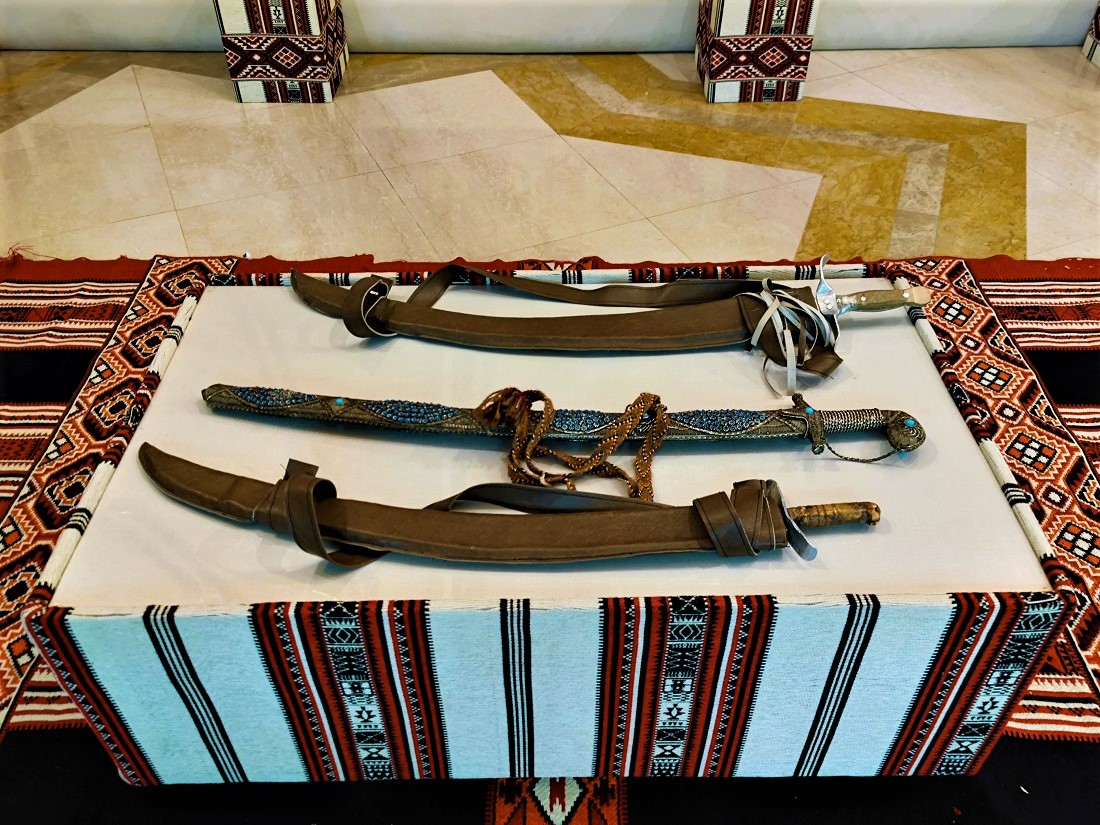
Qatar has a deeply rooted culture associated with bladed weapons, which, like those of the Turkmen, symbolize strength, courage, and a rich historical heritage. Antique and beautifully decorated weapons, especially daggers and sabers, are objects of pride and collectibles.
They are often displayed in homes as part of a decor, emphasizing a connection to ancestors and history. Exhibitions of Islamic weapons and armor are held in museums and at cultural events, where examples from various Islamic countries and eras can be seen.
The national emblem of Qatar depicts two crossed, curved swords. This symbol is deeply revered, and even the architecture of modern buildings, such as the Katara Towers, is inspired by this form. This iconic architectural structure is located in the new city of Lusail, near Doha. The curved design of the towers is inspired by the crossed swords depicted on the National Emblem of Qatar. The building has become one of the country's recognizable symbols.
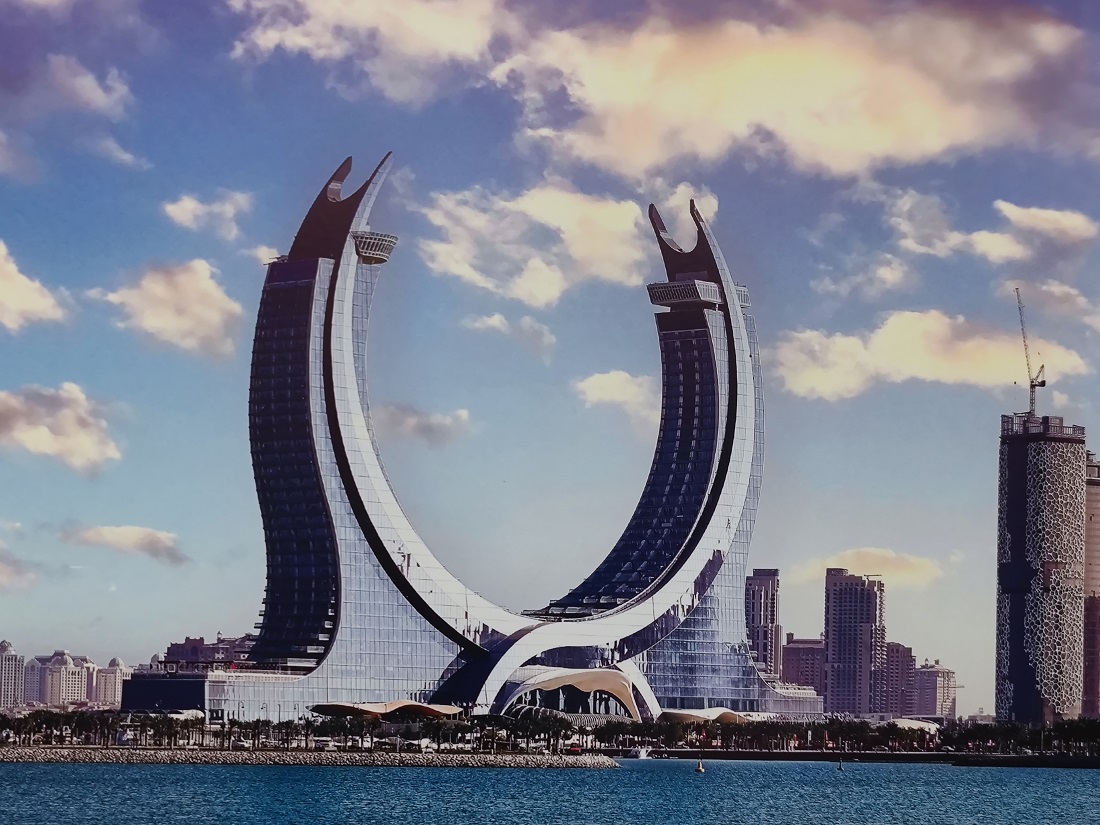
The complex is a multifunctional center housing two luxurious five- and six-star world-class hotels, as well as exclusive apartments, retail space, and entertainment venues. The towers opened on the eve of the FIFA World Cup, which was held in Qatar.
I was fortunate enough to visit these hotels, and I was, of course, amazed by their luxury. But what struck me most was the transparent (!) piano, which stood not on the stage or in any special place reserved for musicians, but in the center of the large, deserted foyer.
I didn't even notice myself saying out loud, "That instrument must have an amazing sound!" A member of the staff not only heard but also understood this phrase. He then said, "Play it, and you will hear its divine sound."
I did just that, playing a short piece to the best of my limited musical abilities. As it turned out, someone had filmed this moment on a cell phone and posted it online. I learned this only after arriving in Ashgabat.
This memory surfaced when I was looking at photos of the Katara Towers at an exhibition held in Ashgabat in honor of Qatar National Day.
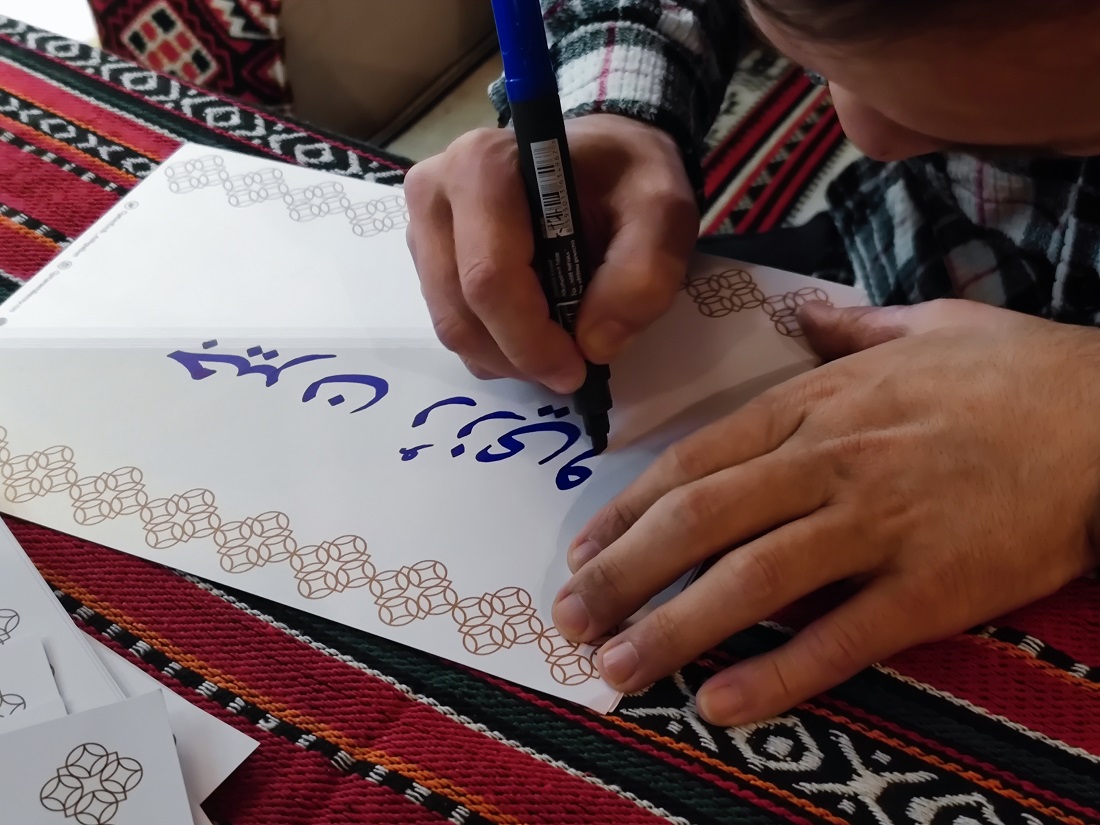
That day, I also saw a humble calligrapher, reminiscent of a medieval scribe, carefully using markers (in ancient times, this was done with feathers) to write intricate inscriptions that looked more like beautiful oriental patterns than letters of the alphabet.
Calligraphy is a rare art in our time, reminiscent of a dizzying rush through life, thanks to which the scribe, in a state of sublime prayer, transforms signs and letters into artistic images.
Many people approached the local calligrapher asking him to write something in Arabic letters. And I was among them...
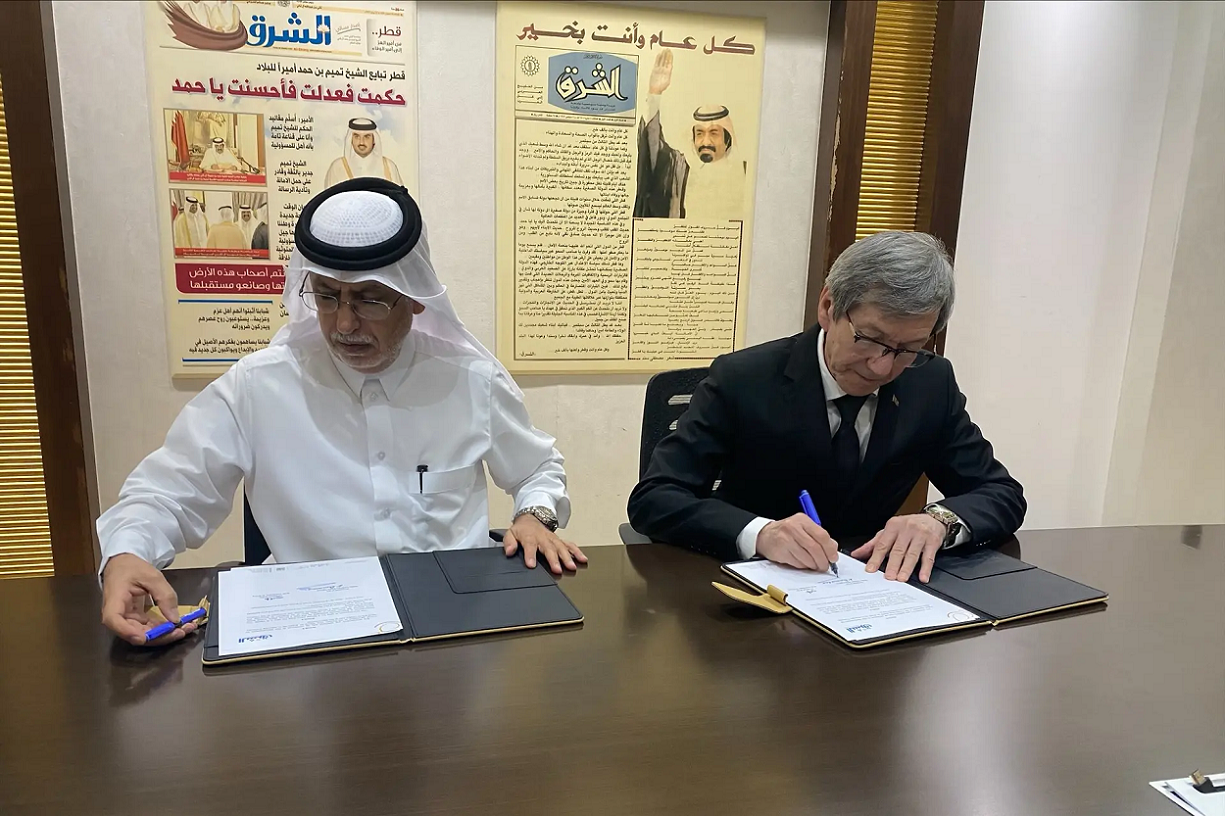
I also remembered how last year in Doha, the ORIENT website of the Media-Turkmen news agency and Qatar's largest daily newspaper, Al Sharq, signed a Memorandum of Understanding on the exchange of news materials.
The Al-Sharq website is a leading local and Arabic news site thanks to its objective coverage, exclusive materials, and live broadcasts of various events taking place in the State of Qatar, with comprehensive monitoring of local and international news.
The meeting took place in a very warm and friendly atmosphere. Mutual understanding was established immediately and helped identify common interests across a wide range of journalistic work, with the aim of further enhancing relations between Turkmenistan and Qatar and highlighting the two countries' development achievements.
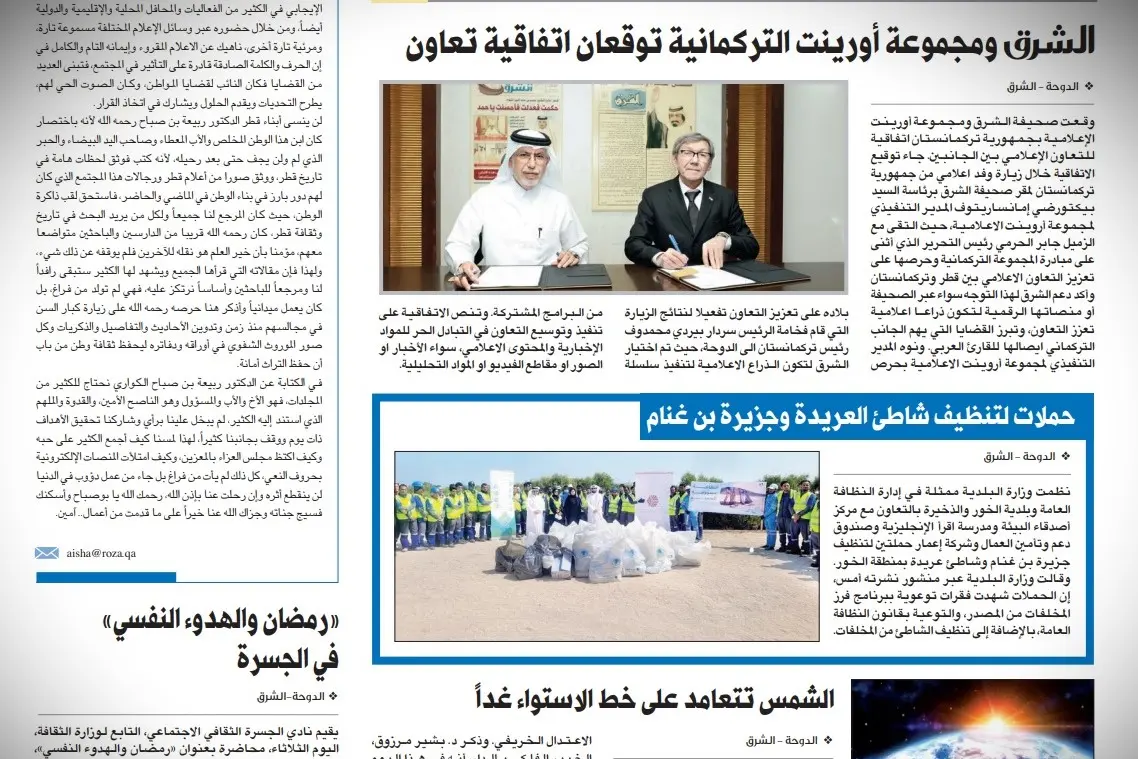
The following day, Al-Sharq published an article announcing a new step in media cooperation between Doha and Ashgabat. The article emphasized that intensifying joint media activities should become an important factor in promoting rapprochement and mutual understanding, strengthening the bonds of friendship between the two peoples, and fostering an equal, open, and trusting partnership between the two countries.
Since then, materials about Qatar have been published regularly on the ORIENT website.
It was time to move on to the official part of the reception in honor of Qatar National Day.
The event opened with the performance of the national anthems of the two countries, setting a high and dignified tone for the diplomatic dialogue.
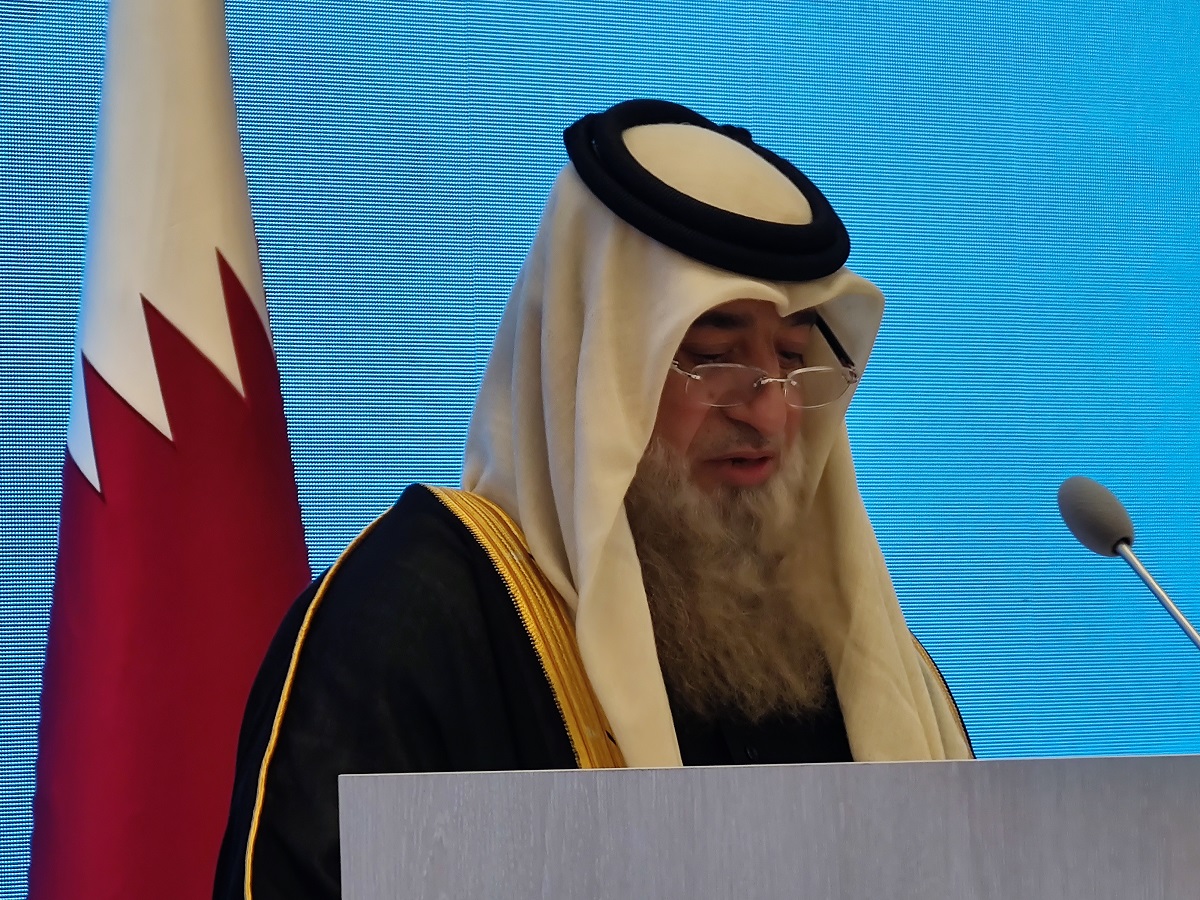
At the reception in Ashgabat, Ambassador Extraordinary and Plenipotentiary of the State of Qatar to Turkmenistan Nasser Ahmed Mohammed Al Taher delivered a powerful speech.
He began with a historical background, recalling that the foundations of the State of Qatar were laid in 1878 by Sheikh Jassim bin Mohammed Al Thani.
The Ambassador placed particular emphasis on Qatar's international role as a mediator in conflict resolution, leveraging its political potential and putting forward important initiatives and projects to support international cooperation, stability, and peace.
As an example, the Ambassador cited the signing of the Doha Framework Agreement for Peace between the Government of the Democratic Republic of the Congo and the March 23 Movement on November 15, 2025.
Furthermore, he noted the successful Qatari-American mediation in achieving peace between Rwanda and the Democratic Republic of the Congo.
In his speech, the Ambassador also quoted His Excellency Sheikh Mohammed bin Abdulrahman bin Jassim Al Thani, who emphasized that His Highness the Emir of Qatar, Sheikh Tamim bin Hamad Al Thani, is a rare example of leadership in the modern world: he not only manages, but feels and invests his full strength and soul into every undertaking.
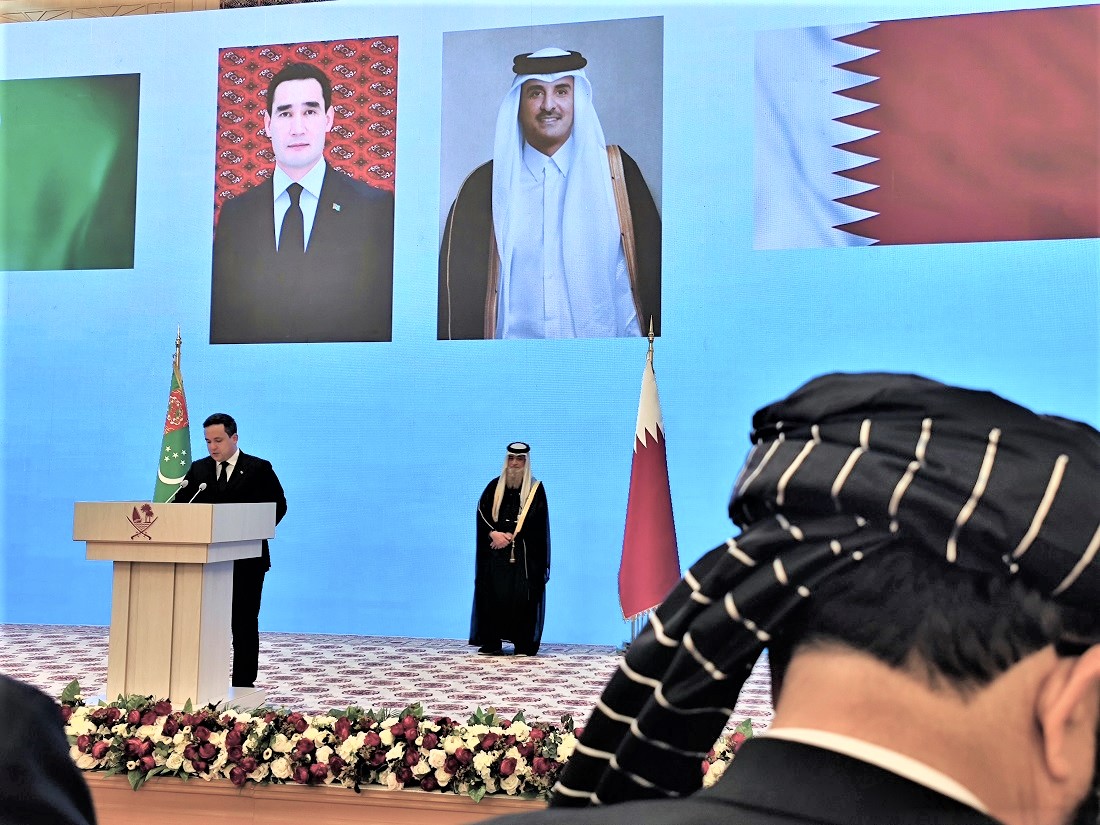
In his response, Minister of Trade and Foreign Economic Relations of Turkmenistan Nazar Agakhanov outlined priority areas of cooperation between the countries.
He highlighted areas such as energy (export of fuel and energy products), transport (development of transit corridors), investment (attracting Qatari capital), digital solutions (implementation of innovative technologies), and the agro-industrial sector (joint agricultural projects).
The Minister particularly noted the President of Turkmenistan's attention to developing relations with Qatar, illustrating this with the recent visit to Doha of the Vice President of the Charitable Foundation for Children Left Without Parental Care.
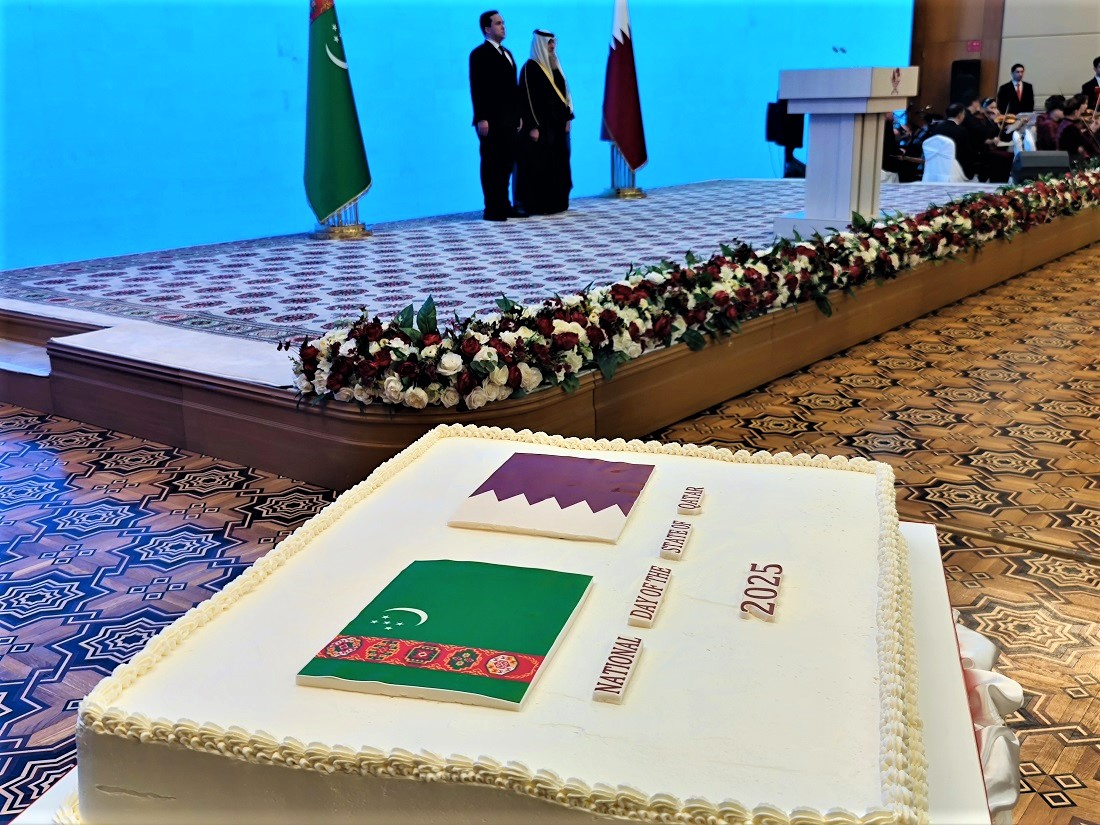
Both sides emphasized that the rapid development of bilateral cooperation in 2025 was made possible by the personal contributions of their leaders – President of Turkmenistan Serdar Berdimuhamedov and Emir of Qatar Sheikh Tamim bin Hamad Al Thani.
A number of significant visits have recently taken place, strengthening ties between the countries. Sheikh Jawan bin Hamad Al Thani, President of the Qatar Olympic Committee, First Vice President of ANOC and Vice President for Asia, came to Turkmenistan from Qatar.
Turkmenistan was also visited by Dr. Mariam bint Ali bin Nasser Al-Missned, Minister of State for International Cooperation. She participated in the Third UN Conference on Landlocked Developing Countries, the international conference "The Role of Women in Modern Society: Developing International Cooperation for Sustainable Development" in the Avaza tourist zone, and the International High-Level Forum on Peace and Trust in Ashgabat.
Representing Turkmenistan, Deputy Prime Minister and Minister of Foreign Affairs Rashid Meredov visited Qatar to participate in the Emergency Arab-Islamic Summit and other important forums.
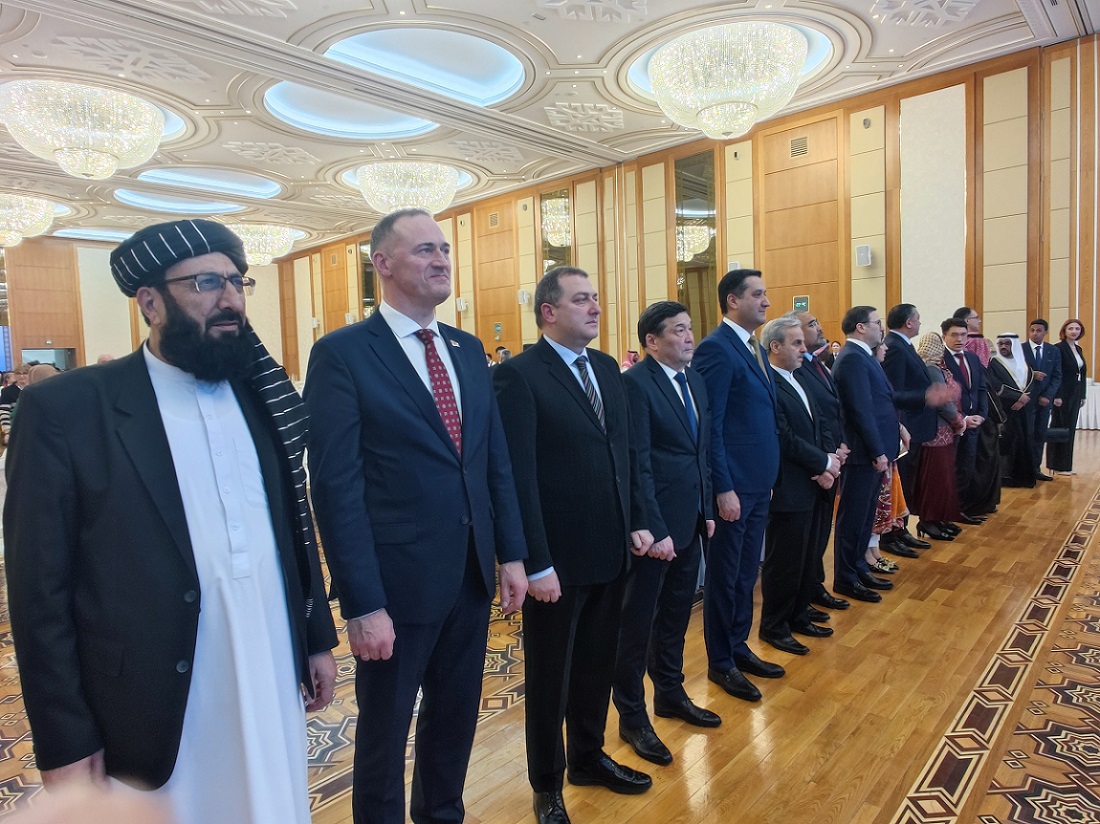
Oguljahan Atabayeva, Vice President for Medical Affairs of the Gurbanguly Berdimuhamedov Charitable Foundation for Assistance to Children in Need of Care, also visited the Qatari capital to participate in the Doha Forum 2025.
The active work of the Turkmen-Qatari intergovernmental commission on trade and economic cooperation, which ensures regular dialogue at the expert level, plays a significant role in the development of bilateral relations.
Humanitarian projects, including educational and medical initiatives to support children, are being successfully implemented. Joint events are being held to promote the traditions of both nations. The countries coordinate their positions within the UN and other international organizations, supporting initiatives to strengthen peace and neutrality.
Analyzing current trends and statements by both parties, promising areas for further cooperation can be identified. First and foremost, Turkmenistan, which possesses significant natural gas reserves, is interested in expanding exports, and Qatar, as a major player in the LNG market, could become a strategic partner in implementing transit projects.
Qatar's investment potential can support the modernization of Turkmen infrastructure, particularly in the areas of transportation and digitalization. Joint projects to implement water-saving technologies and process agricultural products could strengthen food security.
It goes without saying that expanding exchange programs in education, medicine, and culture will contribute to deepening mutual trust. Coordinating efforts within the UN, OIC, and other platforms will help advance shared interests on the international stage.
Based on the above, an obvious conclusion emerges: the Yildiz reception was more than just a celebratory event, but a platform for reaffirming mutual commitments and charting new horizons for cooperation.
In the face of a changing geopolitical reality, Turkmenistan and Qatar have every opportunity to strengthen their positions as key players in the region by combining efforts in the economic, security, and humanitarian spheres. And both sides are demonstrating a willingness to transform their relations from a format of friendly dialogue to a strategic partnership based on mutual benefit and respect.
At the end of his speech, Ambassador of Qatar Nasser Ahmed Mohammed Al Taher thanked the guests for their presence and wished everyone good health and prosperity, concluding with the traditional Muslim greeting:
"Wassalamu alaikum wa rahmatullahi wa barakatuh!"
...But now it's time to wrap up our article with the traditional ending.
But first, try to guess what the humble calligrapher painstakingly wrote on the ornate piece of paper. Did you get it?
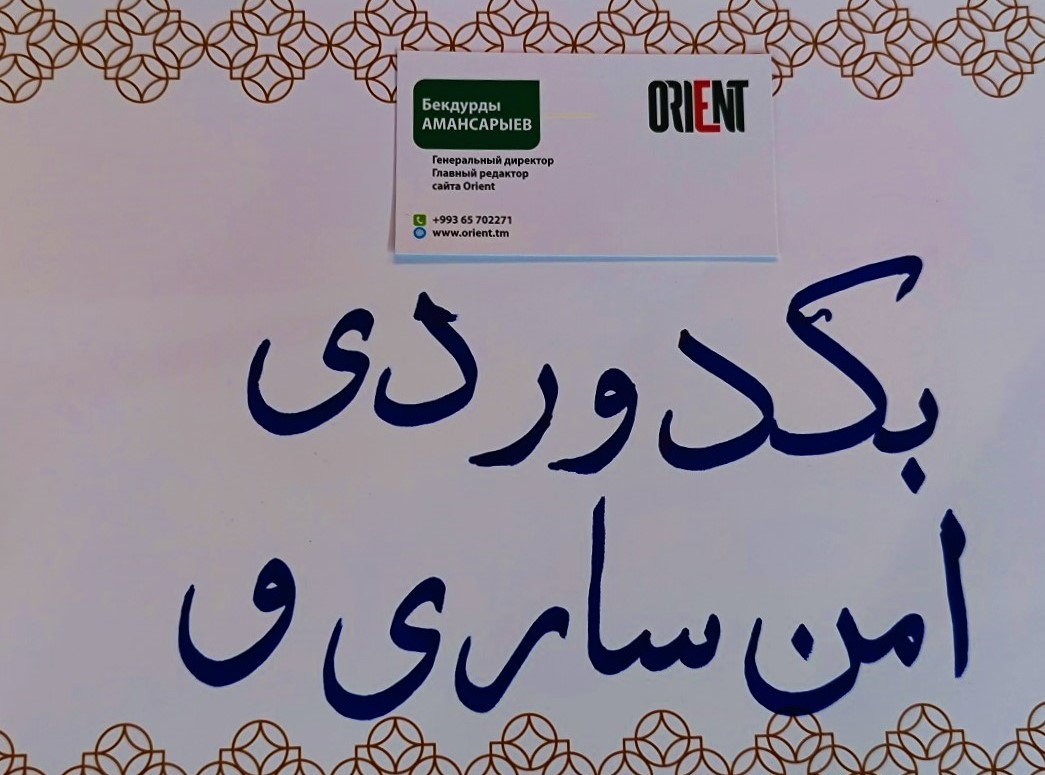
And here it is, "Yes!" – you're right! This is how some of my articles end –
Bekdurdy AMANSARIEV




 Chinese New Year