We are guided by what unites people




News
Articles
Media
Announcement
Technology
About Us
Contacts

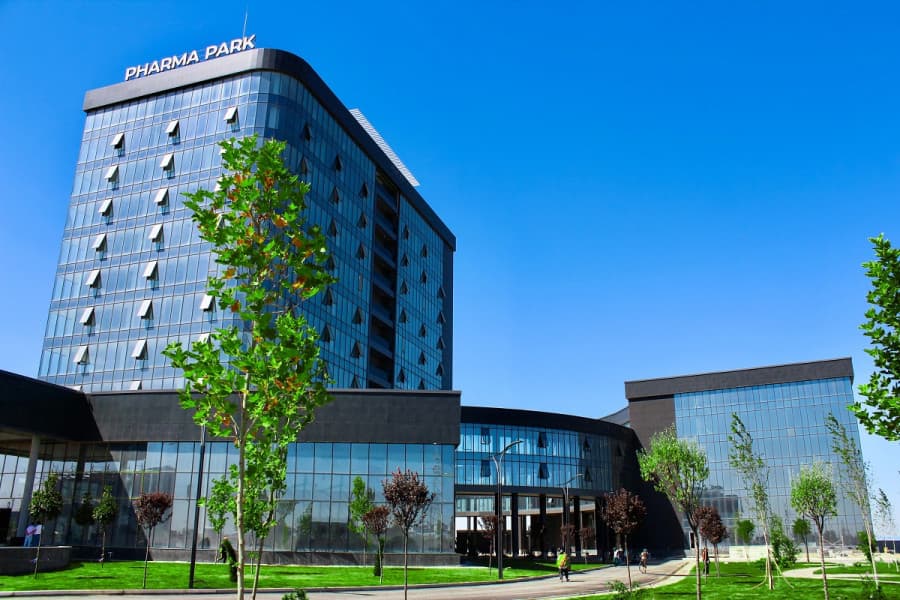
Pharmaceutical industry Turkmenistan, which received a powerful boost from the creation of a medical cluster in the city of Arkadag, is reaching a new level of regional cooperation. An agreement was recently signed in Tashkent linking the scientific potential of Uzbek universities with the investment opportunities of Turkmen businesses.
More than just Export-Import
The agreement signed between the Agency for Development of the Pharmaceutical Industry of Uzbekistan, the Pharmaceutical Technical University, and the Turkmen company Altyn Kanun covers the following strategic areas:
— Production cooperation: creating supply chains for pharmaceuticals produced in the two countries.
— Technology transfer: sharing scientific and practical experience in drug development. — Talent pool: targeted training of Turkmen specialists at specialized Uzbek universities.
The choice of the Pharmaceutical Technical University (Tashkent) as a partner was no accident. This modern cluster unites education, science, and production within the Tashkent Pharma Park project.
For reference: The university operates according to international standards, attracting experts from South Korea and Europe, and trains specialists capable of managing high-tech pharmaceutical plants on a turnkey basis.
A New Role for Consulting
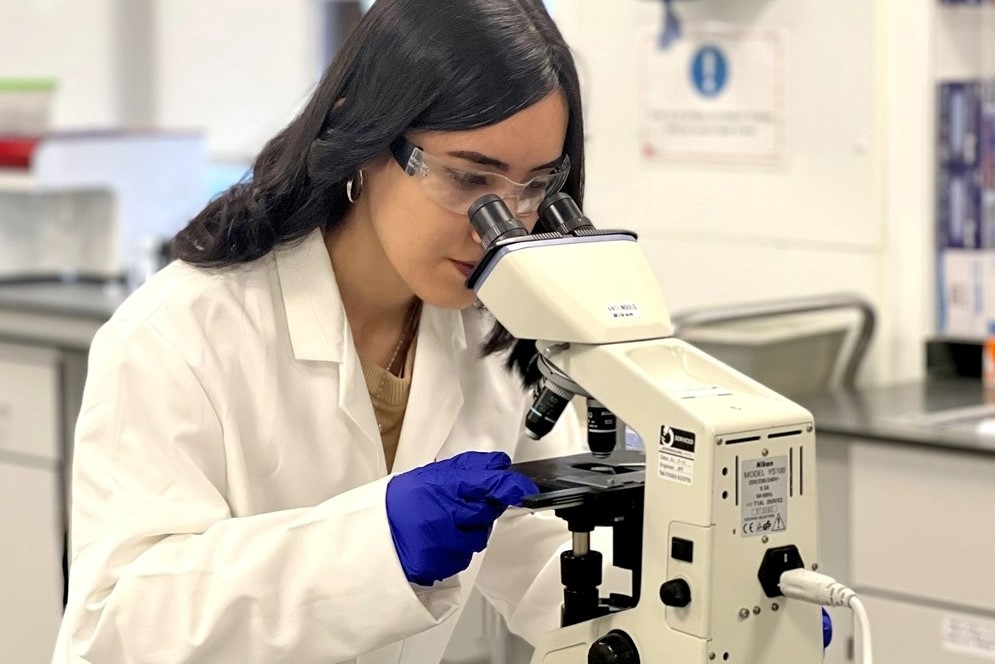
Interestingly, a specialized division of Altyn Kanun Maslahat will be responsible for supporting these processes. In addition to providing legal support for transactions, the company is acting as a "navigator" for Turkmen applicants and businesses. This facilitates access to high-quality Uzbek education for our youth and helps domestic producers more quickly adapt to the standards of the neighboring market.
While a modern medical cluster is growing in the city of Arkadag, personnel training and marketing management are becoming crucial components of success. Partnership with Uzbekistan allows Turkmenistan to avoid reinventing the wheel and instead integrate into an existing regional system for ensuring drug security.