We are guided by what unites people




News
Articles
Media
Announcement
Technology
About Us
Contacts
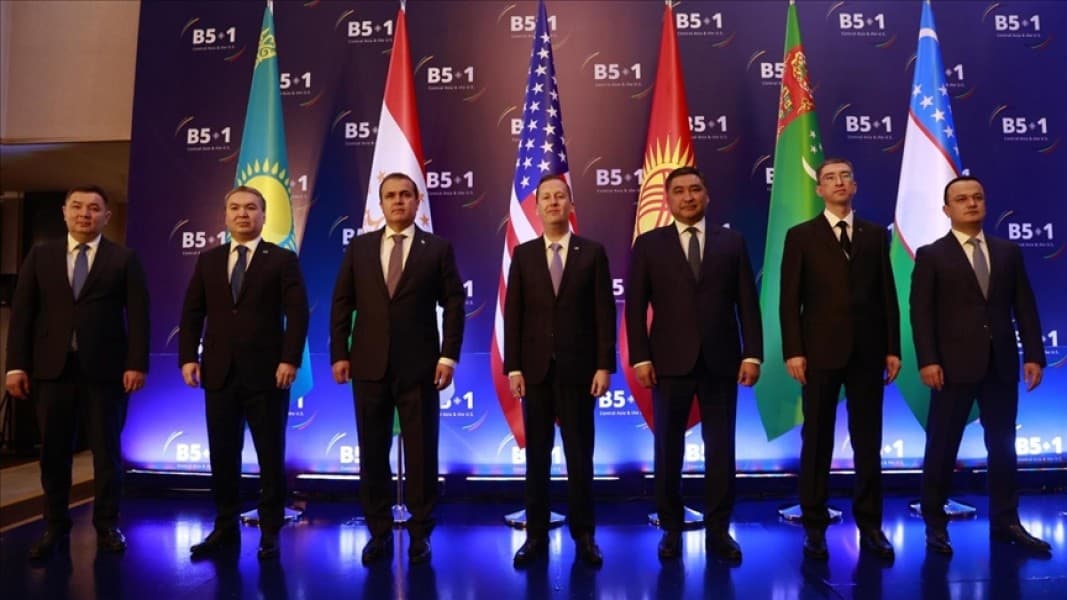
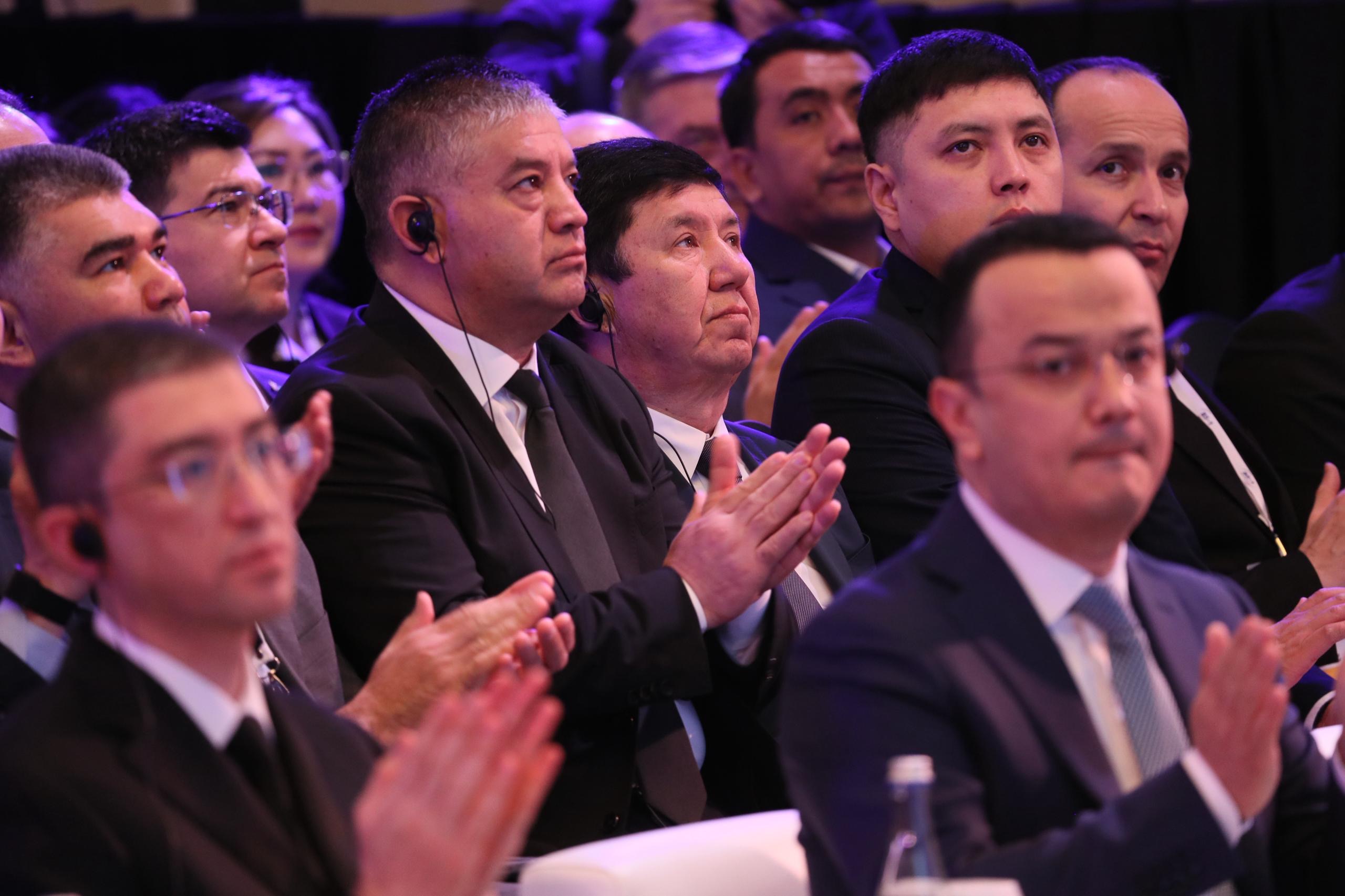
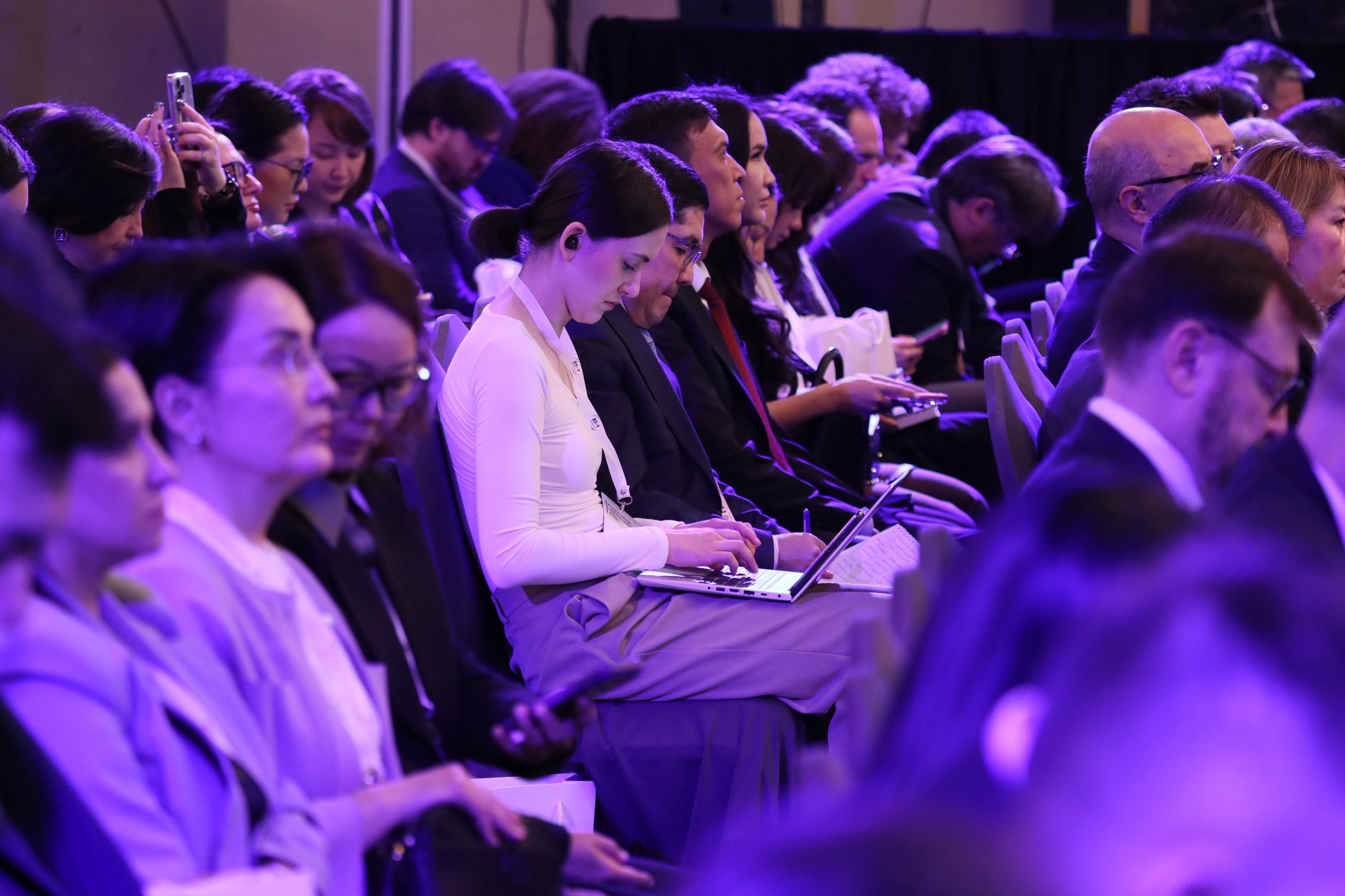
On February 4, Bishkek became a hub for global corporations and governments in Central Asia. The second B5+1 business forum brought together representatives from six countries to discuss the region's new economic reality. The key message of the day: Washington is moving from words to action, and business is becoming the main driver of change.
American Landing: From Boeing to Apple
The participation of over 50 high-ranking representatives from leading American companies—Boeing, GE Healthcare, Nasdaq, Apple, FedEx, Coca-Cola, and other giants—clearly demonstrates the growing US interest in the region. US Special Envoy Sergio Gore, speaking at the forum, emphasized Washington's intention to take the C5 partnership to a new technological level, particularly in the areas of AI and innovation.
Turkmenistan: Structural Reforms and New Investments
Minister of Economy and Finance of Turkmenistan Mammetguly Astanagulov, who leads the government delegation, clearly outlined the country's priorities. According to him, the oil and gas industry, agriculture, and construction remain the leaders in attracting foreign investment.
"Turkmenistan is implementing structural reforms to ensure successful cooperation with its partners," the minister emphasized, confirming the country's readiness to integrate into regional supply chains.
The Voice of the Private Sector
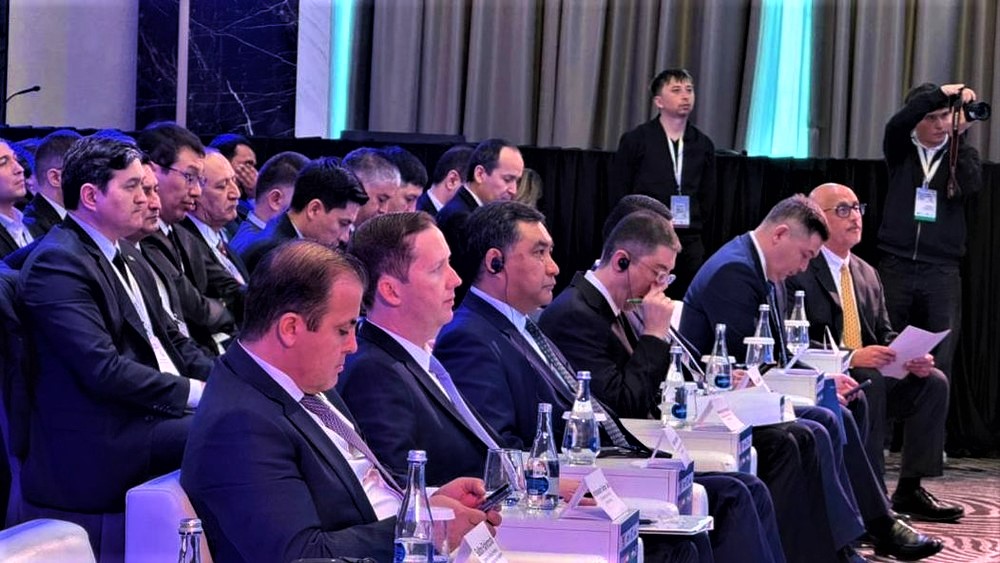
Importantly, the B5+1 forum is not just ministerial meetings. On the second day, a session dedicated to the international business and investment agenda in Central Asia will feature a presentation by Jamila Kerimova (Ish Nokady), a representative of the Turkmen private sector, underscoring the inclusive nature of the format. Turkmenistan's private sector will have direct access to dialogue with institutions such as Franklin Templeton and Mastercard.
Regional Choir: Unity in Diversity
Each of the B5+1 country presented its ambitious plans in Bishkek. Kazakhstan boasts $100 billion in US investment and is lobbying for a unified tourist visa for the region. Kyrgyzstan is positioning itself as a platform where businesses can "co-author reforms." Uzbekistan declares its readiness to become a huge market for American technology. Tajikistan is actively cultivating the image of a safe haven for long-term investment.
The B5+1 forum in Bishkek marks the launch of real mechanisms in the sectors of critical minerals, e-commerce, and transportation. Following Sergio Gora's recent visit to Ashgabat, it has become clear that the region is no longer viewed as a periphery; it is becoming a strategic partner in the new digital and energy era.