We are guided by what unites people




News
Articles
Media
Announcement
Technology
About Us
Contacts
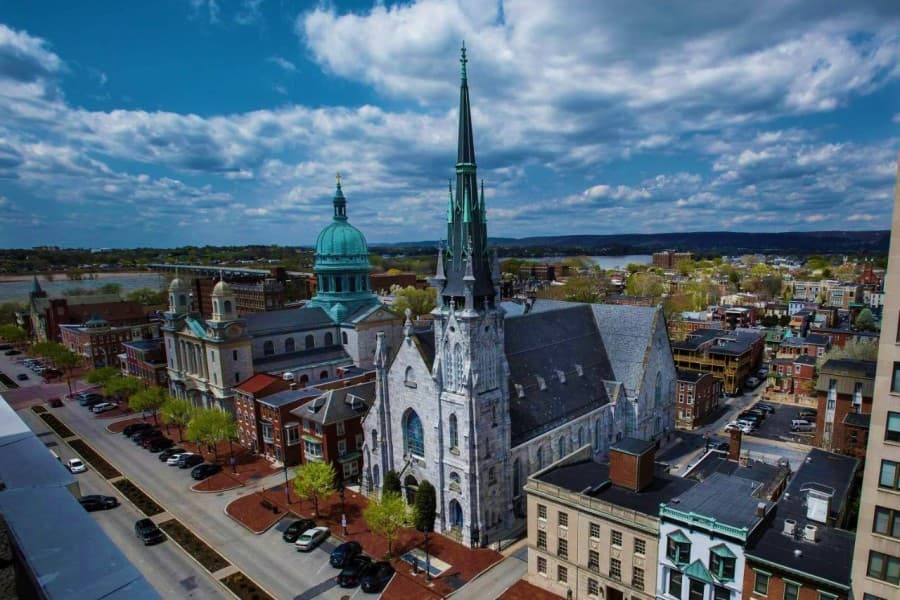
On February 8, an event connecting the musical worlds of Turkmenistan and America took place in Harrisburg, the capital of Pennsylvania, USA. The world premiere of the organ work "Paraphrase" took place within the walls of the historic Grace United Methodist Church. Turkmenistan's first professional organist, Bakhar Annadurdyeva, performed the legendary instrument, and the renowned composer Mamed Guseynov wrote the work, specially commissioned by her.
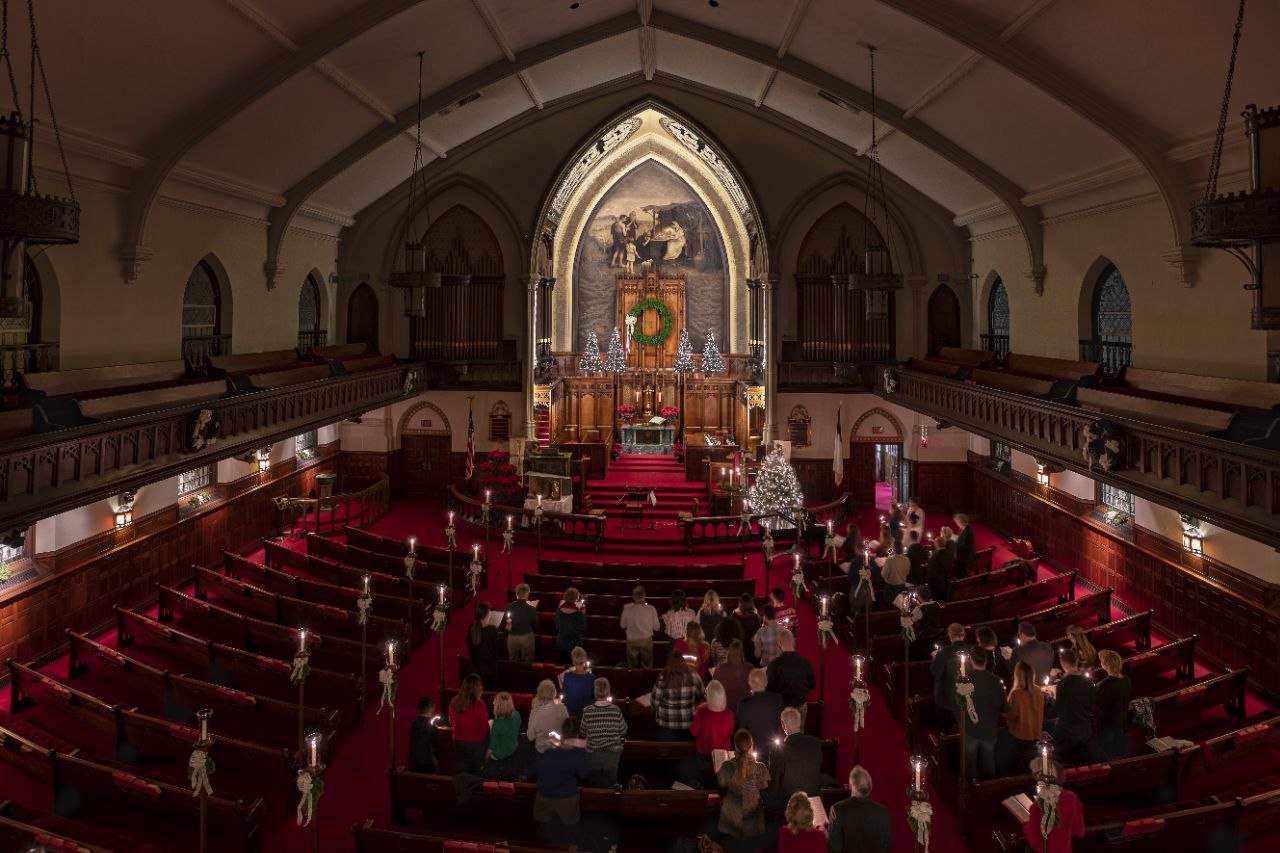
The choice of venue for the premiere was no accident. Grace Church is more than just an architectural landmark, once home to the state legislature; it is a sacred place for organists. The monumental Austin-Moller organ with its 78 stops plays here. To understand the scale of the venue, it is enough to say that exactly one hundred years ago, the great Marcel Dupré, a legend of the French school and teacher of the famous Olivier Messiaen, gave concerts here.
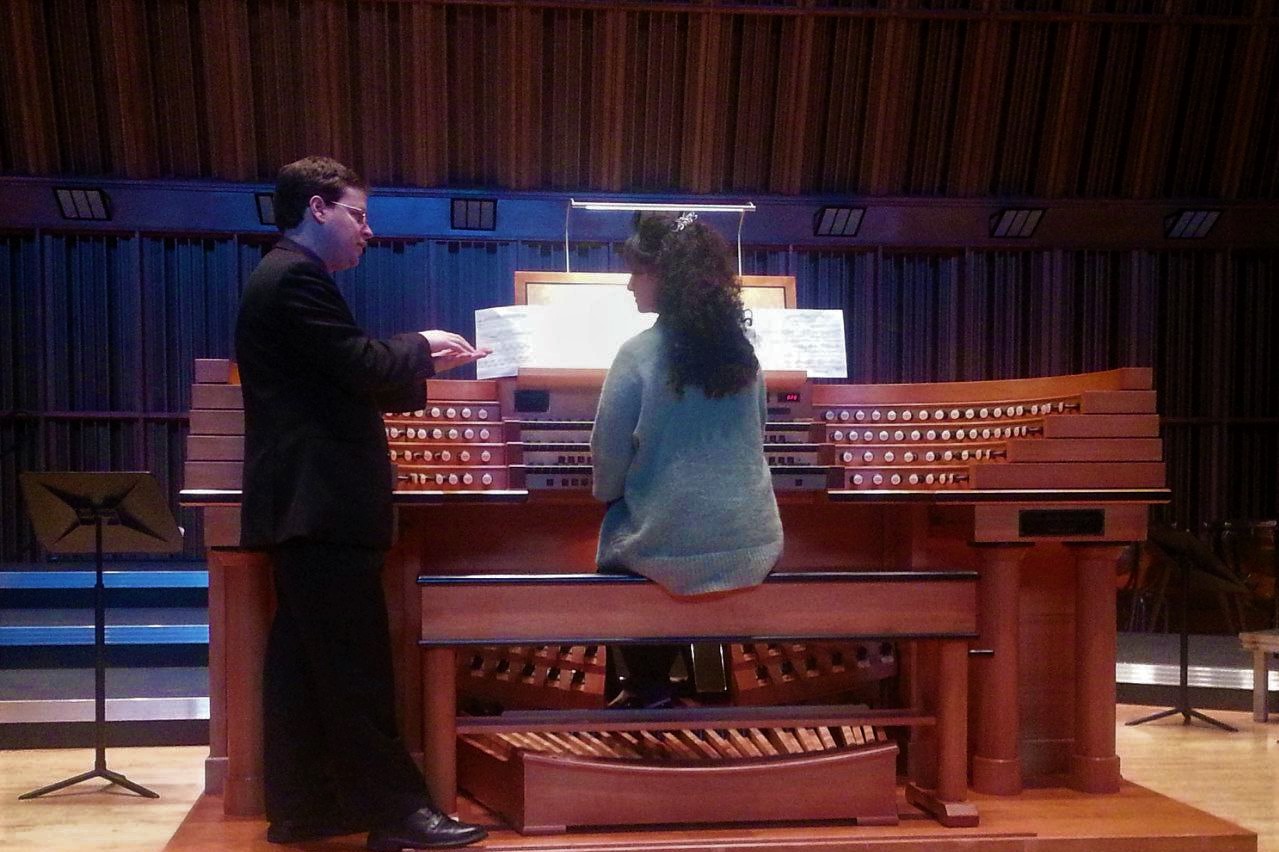
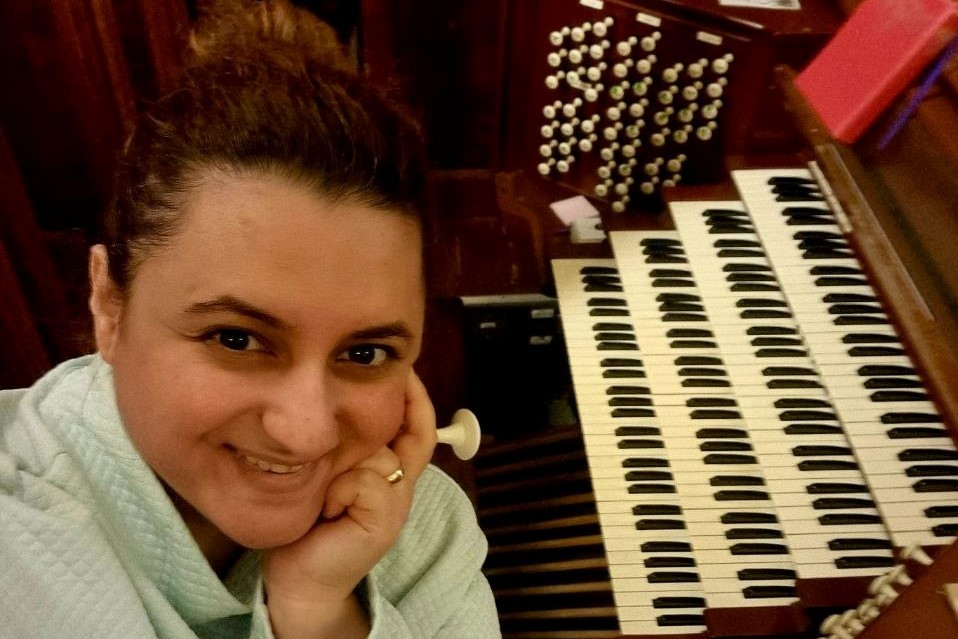
And so, Bakhar Annadurdyeva took up this historic baton. Turkmen audiences know her as a virtuoso pianist and teacher at the National Conservatory, but her American career revealed her to be a profound interpreter of organ classics. Trained by such titans as Paul Jacobs (the first Grammy Award-winning organist), Bakhar is now helping shape Harrisburg's musical landscape, serving as choir director and organist at this prestigious church.
The "Paraphrase" performed that evening is based on themes from Mamed Huseynov's opera "Solomon." For the composer, this work became another chapter in his unique creative method—a synthesis of strict academic tradition and the tart, recognizable aroma of the East.
Mamed Guseinov's artistic career is a story of constant exploration. A graduate of the Gnessin Institute, he "made" Russian folk instruments sound like dutars, earning him recognition at the highest level. His music has been performed by artists from the Bolshoi Theater and the Helikon Opera, and it is beloved and well-known in his homeland, performed by the State Symphony Orchestra of Turkmenistan under Rasul Klychev and other renowned ensembles.
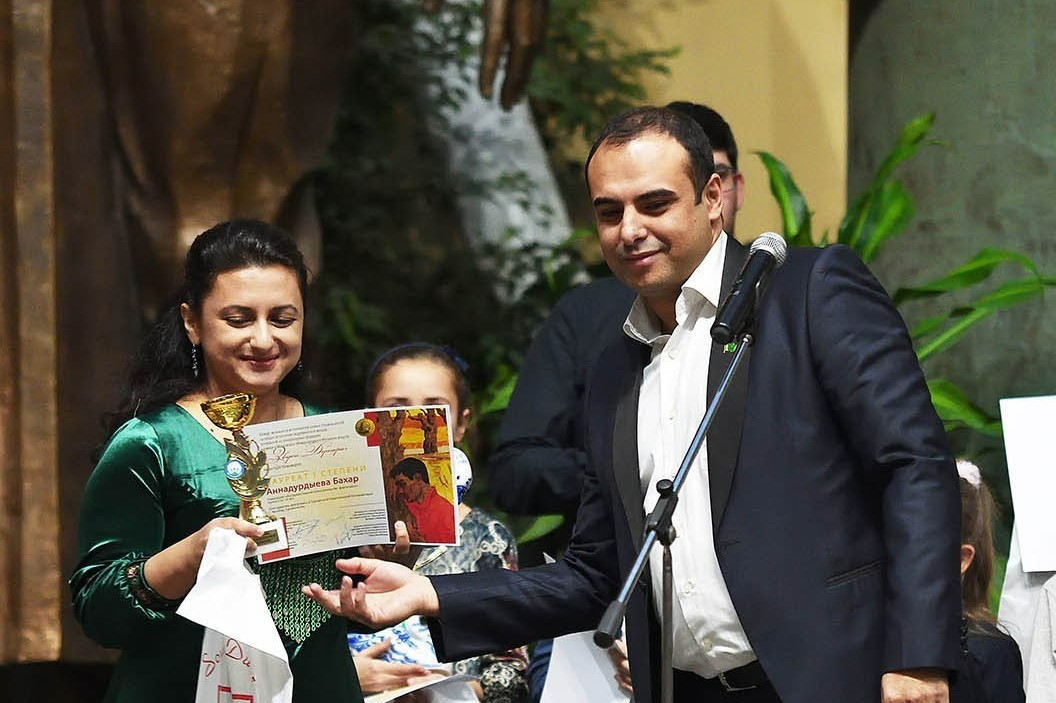
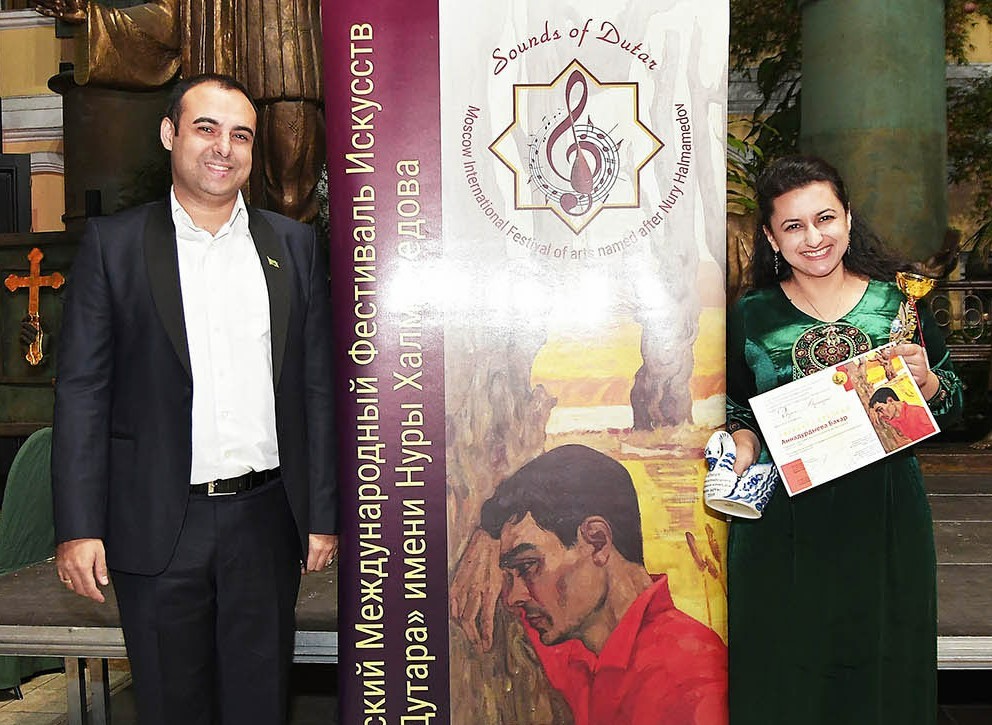
Guseinov doesn't just write music—he creates cultural codes. As the founder of the Nury Khalmamedov Moscow International Festival "Sounds of the Dutar," he has spent years fostering a dialogue between cultures. And the US premiere was a logical continuation of this journey: complex harmonies inspired by Eastern modes merged with the power of the classical organ.
As the final chords of "Paraphrase" faded, it became clear: this premiere was more than just a private success for two talented individuals. This is evidence that the Turkmen school of music today speaks a universal language, understood in Ashgabat, Moscow, and Pennsylvania. The sounds of the organ, echoing through the vaults of the ancient church, conveyed something more than mere skill—they evoked the soul of a people capable of transcending all boundaries and uniting hearts in the search for beauty and truth.