We are guided by what unites people




News
Articles
Media
Announcement
 Chinese New Year
Technology
About Us
Contacts
Chinese New YearThe working visit of the Turkmen government delegation, led by Deputy Prime Minister and Minister of Foreign Affairs Rashid Meredov, to the United Kingdom began with a series of meetings defining the long-term direction of Ashgabat's cooperation with London and major international institutions. The visit's program, which began on February 24, covered both specialized issues of international shipping and the global political agenda, confirming Turkmenistan's role as a pioneer in the development of fundamentally new formats for international transport cooperation.
The first major agenda item in London was talks between Rashid Meredov and Arsenio Dominguez, Secretary-General of the International Maritime Organization (IMO). The parties focused on integrating Turkmen maritime infrastructure into global supply chains and bringing the national regulatory framework into full compliance with IMO international conventions.
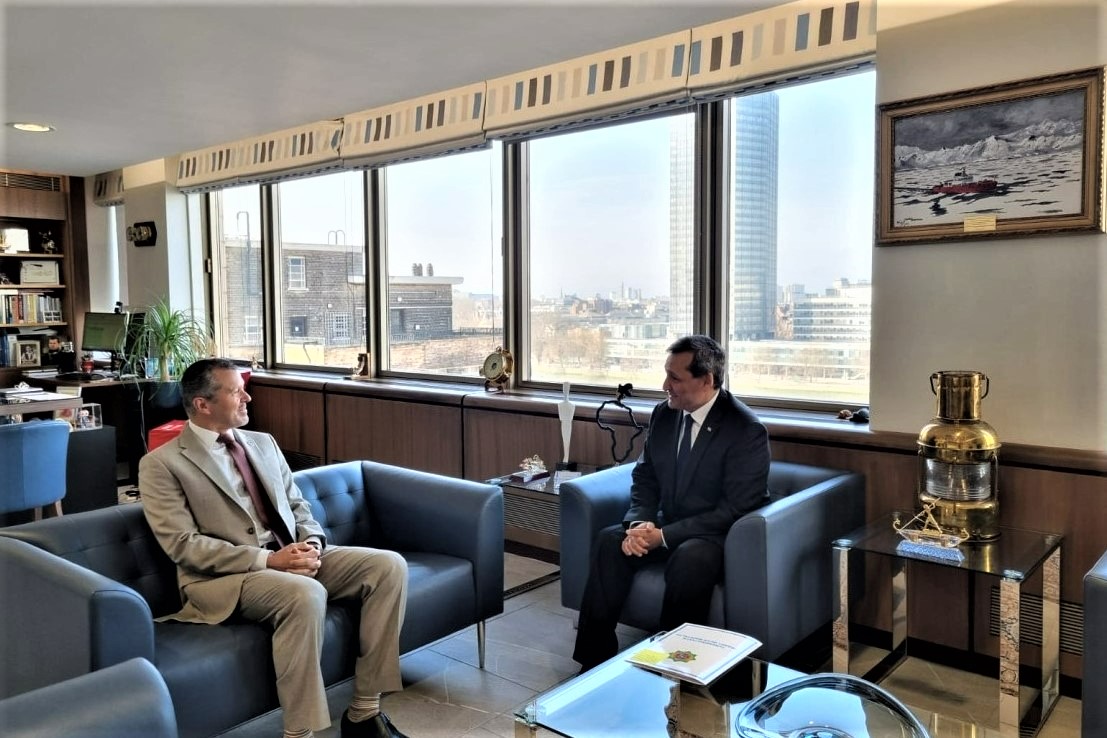
Ashgabat, which consistently promotes transport diplomacy at the UN, views cooperation with the IMO as a tool for ensuring the safety and transparency of shipping. Particular emphasis was placed on the outcomes of the Third UN Conference on Landlocked Developing Countries, held in Avaza in August 2025, which once again confirmed Turkmenistan's ambitions to become a key maritime hub in the Caspian region.
On February 25, the third round of the Structured Dialogue between the foreign ministries of Turkmenistan and the United Kingdom opened. Hamish Falconer, Parliamentary Under-Secretary of State for Foreign Affairs, represented the British side at the talks. The parties noted that the political and economic dialogue between Ashgabat and London has gained positive momentum, but the current potential, particularly within the framework of the Turkmenistan-UK Trade and Industrial Council, requires more intensive development.
The regional round of talks addressed the situation in Afghanistan, where Turkmenistan continues to implement large-scale infrastructure projects, viewing them as the foundation for stability and socioeconomic support for the Afghan people.
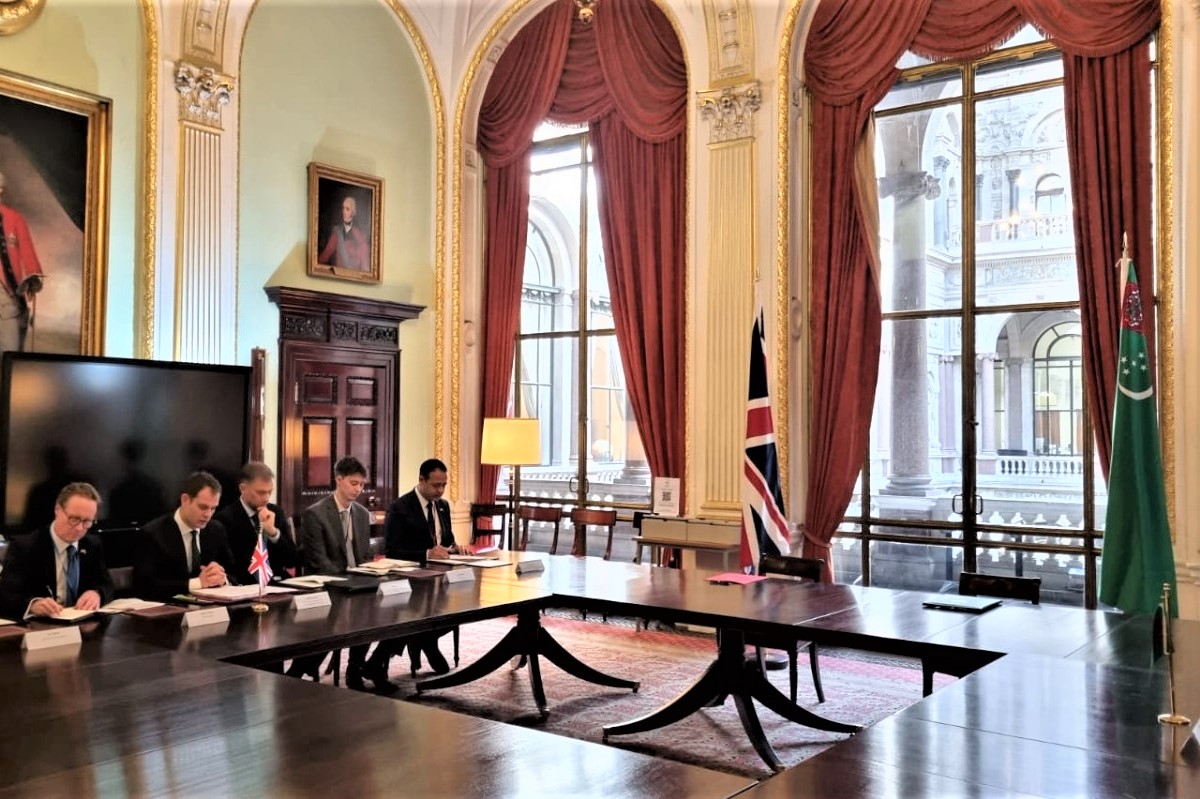
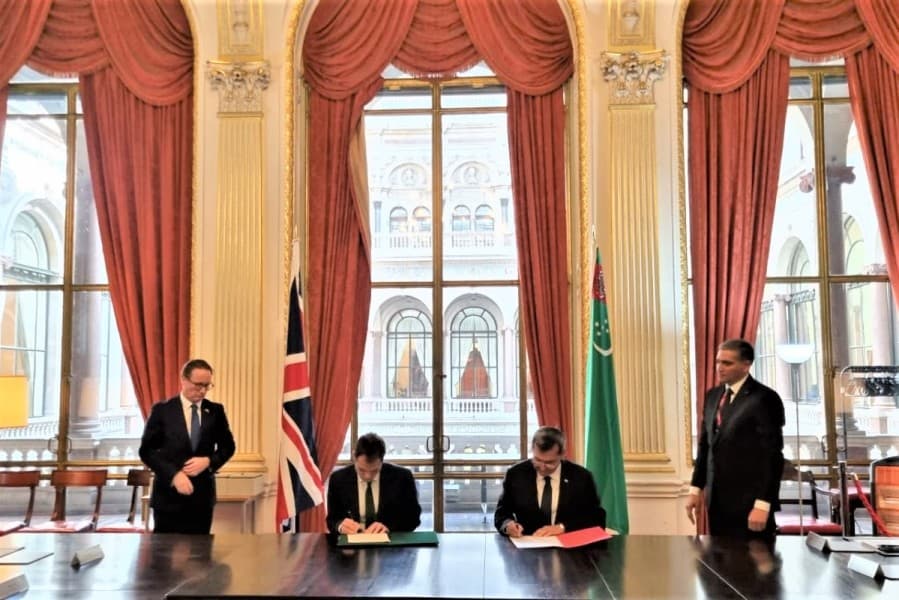
Following the meeting, a Cooperation Program between the Foreign Ministries of the two countries for 2026–2027 was signed. This document lays the legal foundation for further cooperation between the departments in key areas, from regional security to educational exchanges.