We are guided by what unites people




News
Articles
Media
Announcement
 Chinese New Year
Technology
About Us
Contacts
Chinese New Year 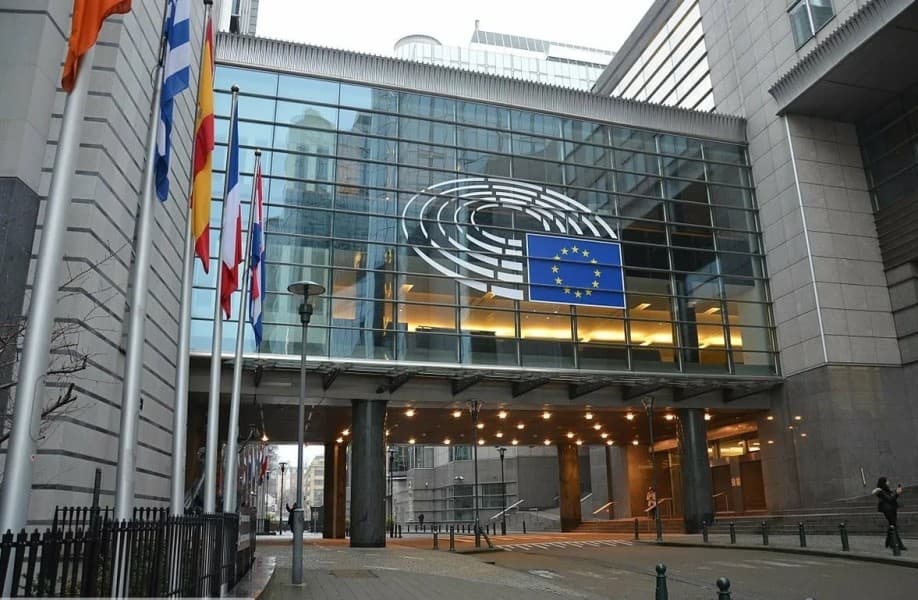
On March 5, the 9th EU-Turkmenistan Interparliamentary Meeting was held at the European Parliament in Brussels. The parties discussed current issues of political and economic cooperation, the regional agenda for Central Asia, the international situation, and the rule of law and social policy.
The Turkmen delegation consisted of members of the Mejlis of Turkmenistan, headed by Maksat Kulyyev, Chair of the Committee on International and Interparliamentary Relations. The European Parliament chaired the meeting under the chairmanship of Giuseppina Princi, Head of the European Parliament Delegation for Relations with Central Asia (DCAS).
During an exchange of views on the state of bilateral cooperation and the international agenda, the MEPs noted the increased importance of EU-Central Asian cooperation amid ongoing global tensions. At the same time, interest was expressed in expanding the practical areas of partnership, including contacts in the economic and energy sectors, as well as developing ties in the field of education and scientific programs.
The Turkmen side emphasized ongoing initiatives and national priorities related to sustainable development, energy, environmental issues, and the expansion of renewable energy sources. The importance of transport connectivity and Turkmenistan's geostrategic role in developing international transit and logistics routes was particularly emphasized, including the potential of the Turkmenbashi International Seaport as a key hub for regional corridors.
In the context of the discussion of Central Asian regional policy, attention was paid to issues of stability and the development of connectivity in the region. It was noted that Turkmenistan's permanent neutral status is viewed as a significant contribution to strengthening peace and security, as well as a basis for expanding the humanitarian dimension and cooperation on regional projects, including those related to Afghanistan.
Under the agenda item on the humanitarian dimension and social issues, the European side noted the importance of continuing relevant dialogue and exchanging best practices.
The meeting participants commended the substantive and practical nature of the exchange of opinions and confirmed their intention to continue interparliamentary cooperation. In this regard, an agreement was reached to hold the next meeting early next year in Ashgabat.