||




The Central Asian Spring Festival 2026 took place in Seoul on May 16-17, serving as a vibrant prelude to the first-ever Korea-Central Asia (C5+1) Summit, scheduled for September of this year. The two-day cultural marathon, organized by the Secretariat of the Korea-Central Asia Cooperation Forum under the Korea Foundation (KF) and the Ministry of Foreign Affairs, brought together diplomats, city residents, and representatives of the 150,000-strong Central Asian diaspora.
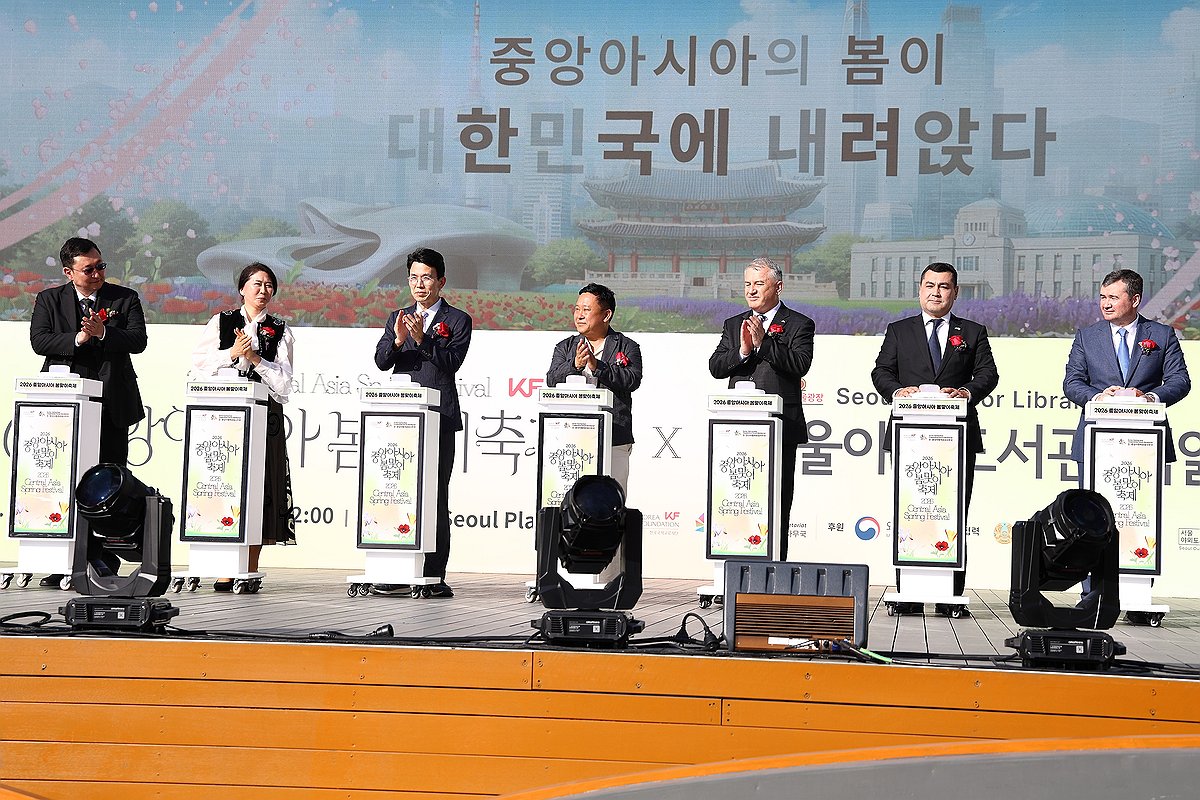
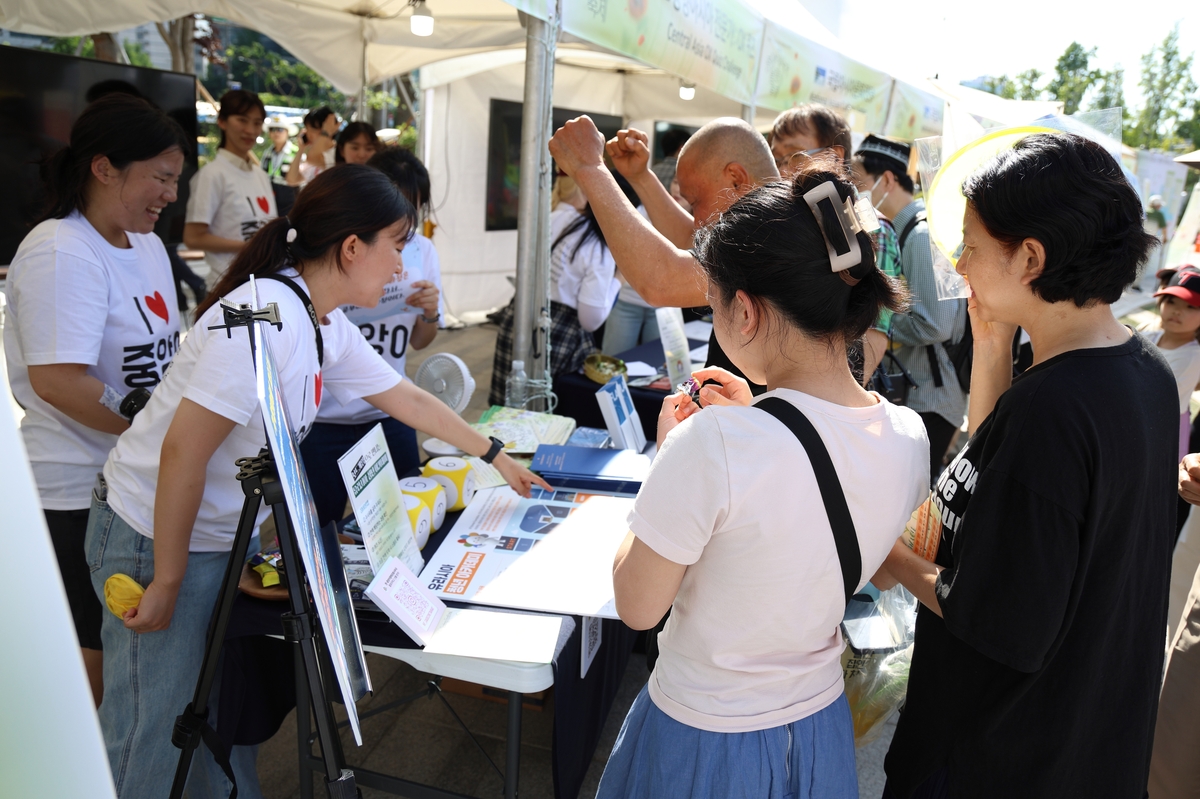
At the opening of the festival, Ambassador of Turkmenistan to the Republic of Korea, Begench Durdyev, emphasized that this event clearly demonstrates the transition of bilateral relations to a qualitatively new, deeper level of trust. Guests at the festival were able to immerse themselves in the atmosphere of "Silk Road Spring": traditional yurts were erected on the square, interactive craft pavilions were open, and national ensembles from the region's countries presented nomadic traditions and the hypnotic rhythms of string and percussion instruments.
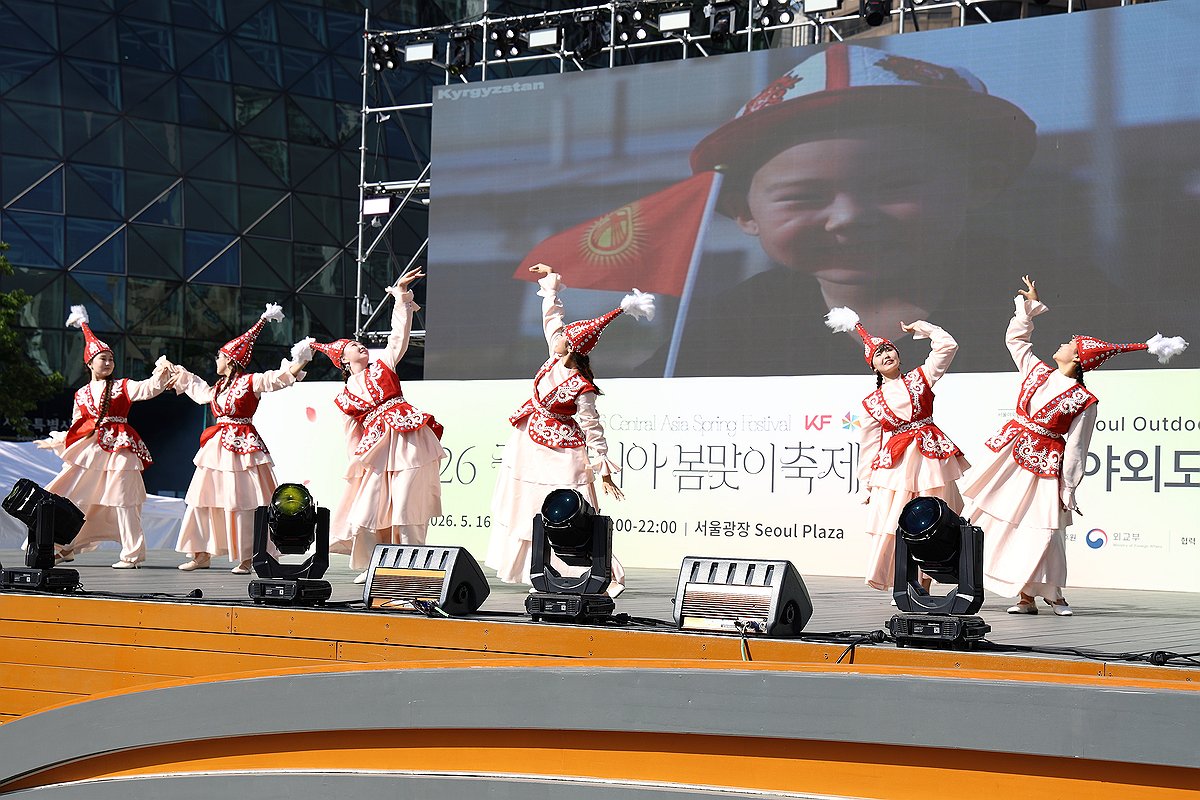
In the evening, films, including those by Turkmen directors, were shown on giant screens. This large-scale cultural surge coincided with the sharp rise of the "Korean Wave" in Central Asia, where young people are actively studying the language at Sejong Institutes for education and careers in high-tech companies.
The festival received a powerful political backing: just the day before, on May 11, Korean Foreign Minister Cho Hyun held a diplomatic dinner in Seoul with the ambassadors of five Central Asian countries, where the architecture of the upcoming "era of summit diplomacy" was discussed in detail.
Amid the global restructuring of geopolitical markets, Seoul officially views the region as a crucial Eurasian hub and resource hub, boasting colossal reserves of natural gas in Turkmenistan, uranium in Kazakhstan, and rare earth metals in Uzbekistan.
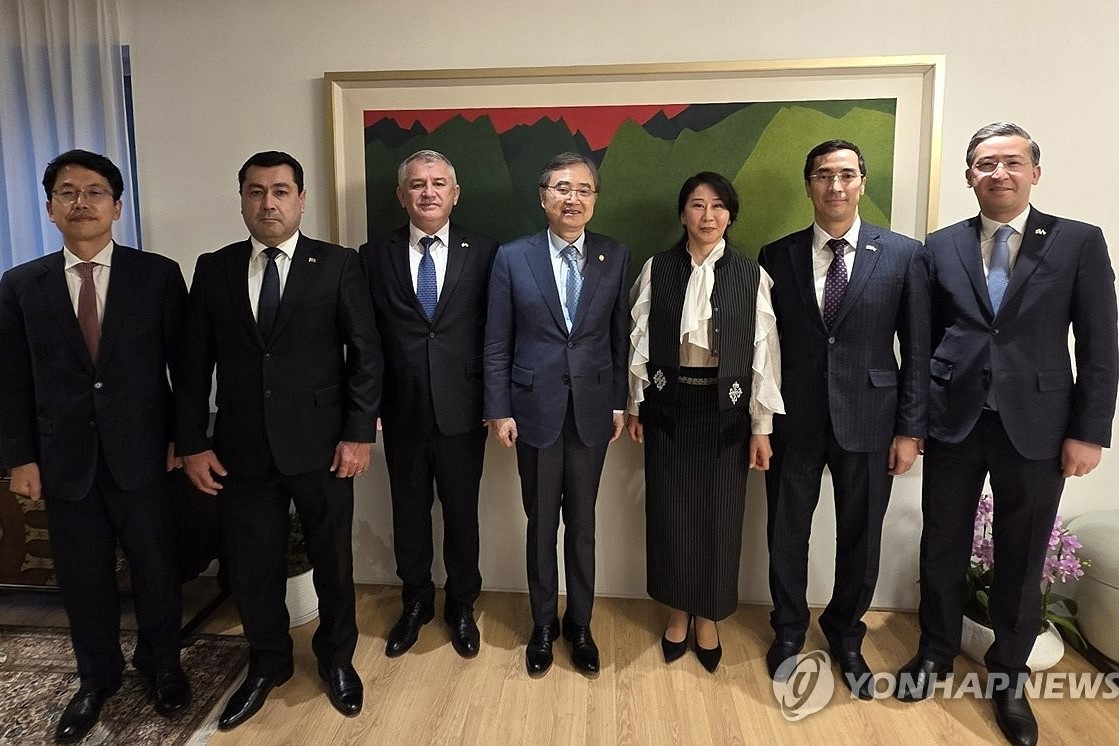
During talks at the Foreign Ministry, the parties reached a consensus that the September summit should not remain symbolic but must yield tangible economic results. The pragmatic alliance, which experts are already calling Korea's updated economic security strategy, focuses on joint development of natural resources, investments in energy infrastructure, transportation networks, and the construction of "smart cities."
The work of the C5+1 Permanent Secretariat, established in Seoul, is intended to transform this summit from a one-time event into a regular intergovernmental consultative body for building long-term Eurasian supply chains.
