We are guided by what unites people




News
Articles
Media
Announcement
 Chinese New Year
Technology
About Us
Contacts
Chinese New Year 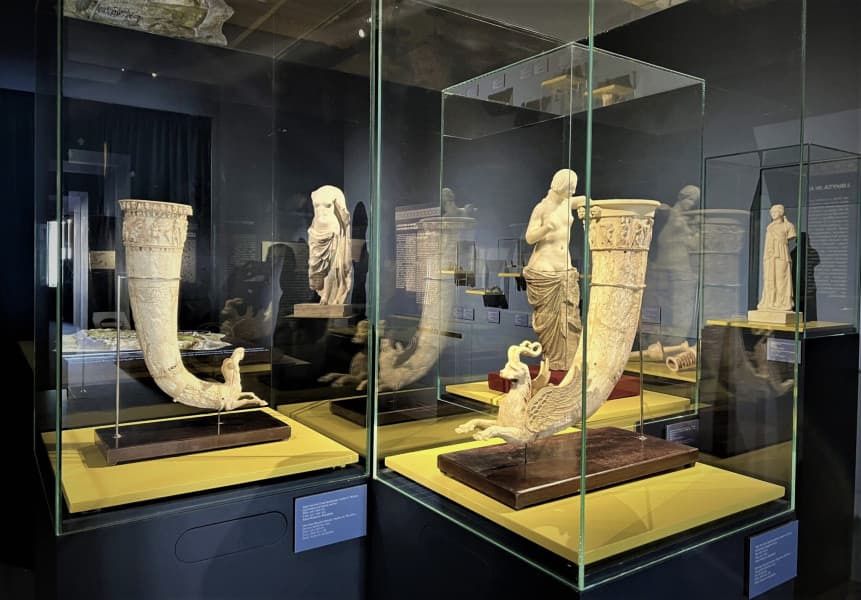
Culture | ORIENT. In the heart of the Italian capital, the treasures of ancient Turkmenistan continue to shine in the Capitoline Museums. Three months remain until the closing of the "Ancient Civilizations of Turkmenistan" exhibition. But now, after the initial excitement has died down, the Italian press has begun to interpret this event not simply as a display of artifacts, but as the symbolic return of Rome's great rival.
For the ancient Romans, Parthia was more than just a "neighbor" to the East. It was the only force capable of stopping the legions. For nearly five centuries, these two empires lived in a state of "cold war," punctuated by bloody clashes. The Romans both respected and feared Parthian horsemen, and their skill at archery at full gallop became known as the famous "Parthian shot."
Today, two millennia later, on Capitoline Hill—the site where triumphs over enemies were once celebrated—Parthia has finally "met" Rome. But this time, instead of the clash of arms, the halls echo with whispers of admiration.
As the Italian publication Contrappunti notes, artifacts from Old Nisa and Margiana force visitors to reconsider their views on history.
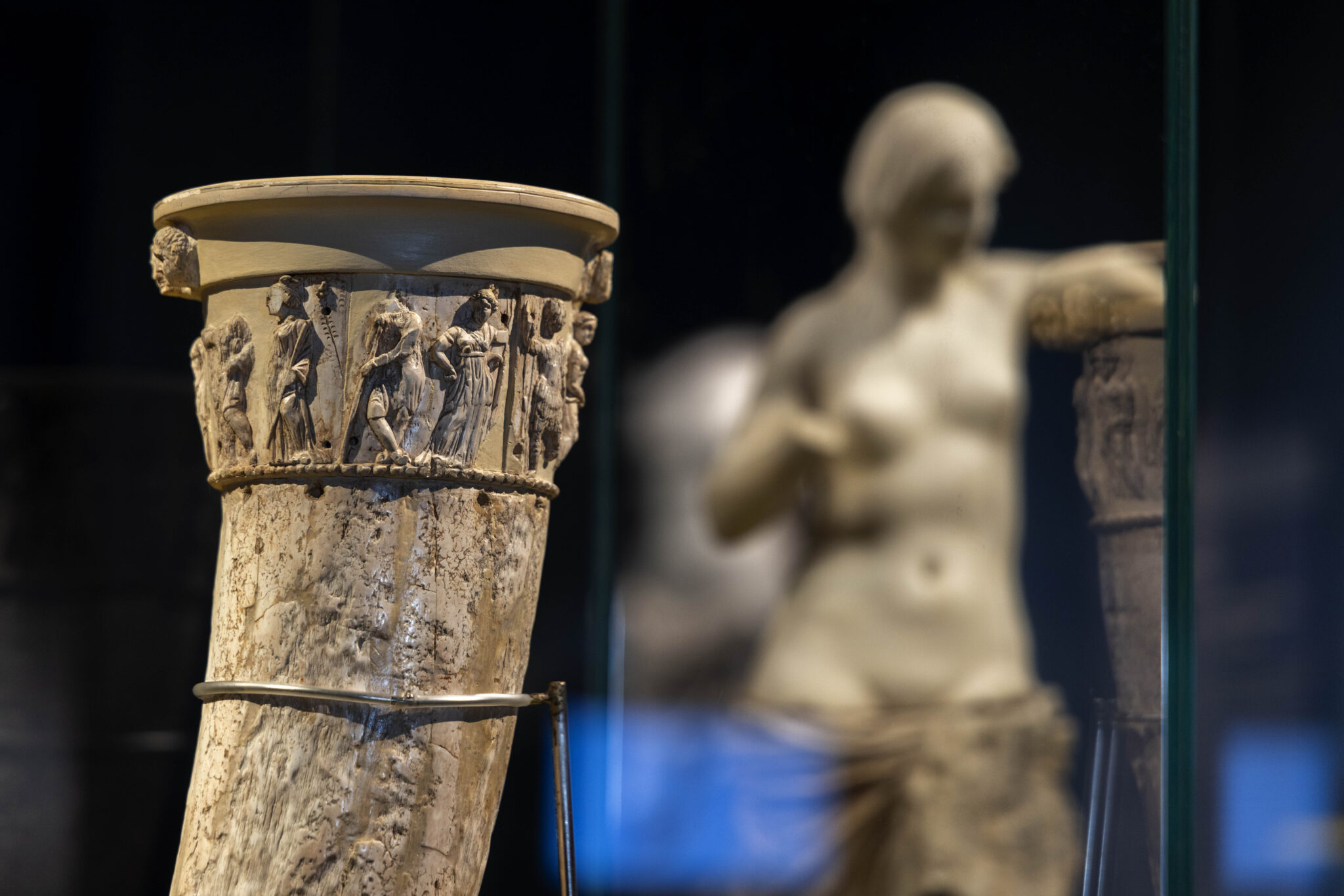
Among the "hits" are the ivory rhytons. These exquisite vessels from Nisa were a true revelation. Italian art historians emphasize that they blend Greek Hellenism and Eastern luxury into a unique style that Rome was never able to fully imitate.
The fact that these treasures were found in what is now Turkmenistan and carefully preserved inspires a deep respect for cultural continuity in European viewers.
The exhibition, which opened in October 2025, will close this spring, on April 12, but its resonance within the Italian scholarly community is only growing. This is further proof that our heritage is an integral part of world history.
Seeing "invincible Parthia" peacefully conversing with the Eternal City today in Palazzo Caffarelli is a once-in-a-lifetime experience.