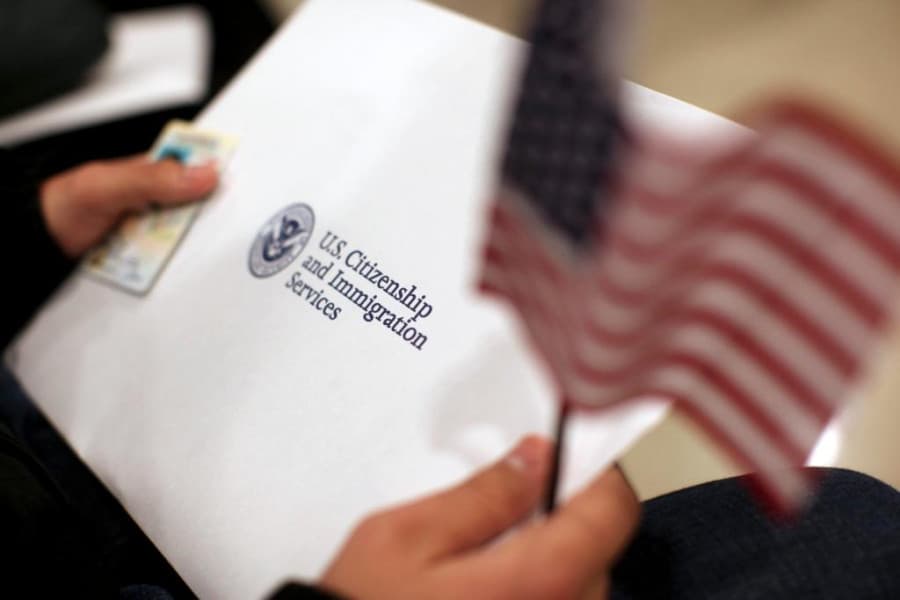



Starting from January 21, 2026, the U.S. Department of State will suspend the issuance of immigrant visas to citizens of a number of countries which, according to the U.S. side, pose an increased risk of reliance on government social benefits. This was stated in updated information published on January 14, 2026.
As noted, the decision was made as part of a review of U.S. immigration policy. President Donald Trump previously emphasized the need for immigrants to be financially self-sufficient and not become a burden on the American social welfare system. In this regard, the Department of State is conducting a comprehensive review of existing immigration rules, regulations, and policy guidelines.
Under the new measures, the issuance of immigrant visas is suspended for citizens of the following countries: Afghanistan, Albania, Algeria, Antigua and Barbuda, Armenia, Azerbaijan, The Bahamas, Bangladesh, Barbados, Belarus, Belize, Bhutan, Bosnia and Herzegovina, Brazil, Burma, Cambodia, Cameroon, Cabo Verde, Colombia, Côte d’Ivoire, Cuba, Democratic Republic of Congo, Dominica, Egypt, Eritrea, Ethiopia, Fiji, Gambia, Georgia, Ghana, Grenada, Guatemala, Guinea, Haiti, Iraq, Iran, Jordan, Kazakhstan, Kosovo, Kuwait, Kyrgyz Republic, Laos, Lebanon, Liberia, Libya, Moldova, Mongolia, Morocco, Nepal, Nicaragua, Nigeria, North Macedonia, Pakistan, Republic of the Congo, Russia, Rwanda, Saint Kitts and Nevis, Saint Lucia, Saint Vincent and the Grenadines, Senegal, Sierra Leone, Somalia, South Sudan, Republic of Sudan, Syria, Tanzania, Thailand, Togo, Tunisia, Uganda, Uruguay, Uzbekistan, and Yemen.
It is noted that the restrictions apply specifically to immigrant visas and will remain in effect until the review of existing procedures and requirements is completed.
ORIENT