We are guided by what unites people




News
Articles
Media
Announcement
Technology
About Us
Contacts
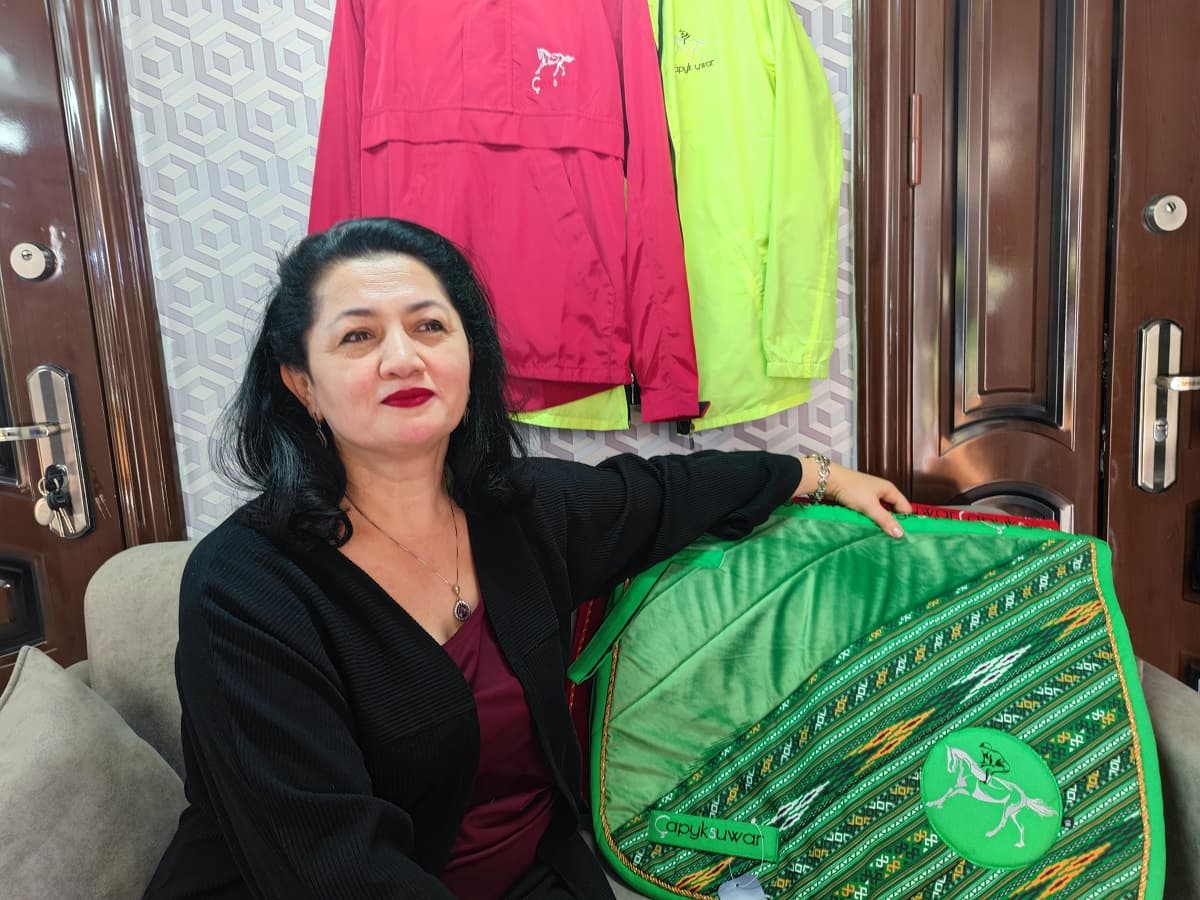
There are many ways to introduce someone to the audience and explain why you decided to interview them: talk about their achievements, titles, professional path, or values.
Today, I'll deliberately skip that part and leave it to the reader to draw their own conclusions.
I'll just say one thing: Jamilya Ekeevna Dzhepbarova is a rare type of person. She's an innovator and a trailblazer. And this interview isn't about success from scratch. It's about someone who creates space for others—in business and in life.
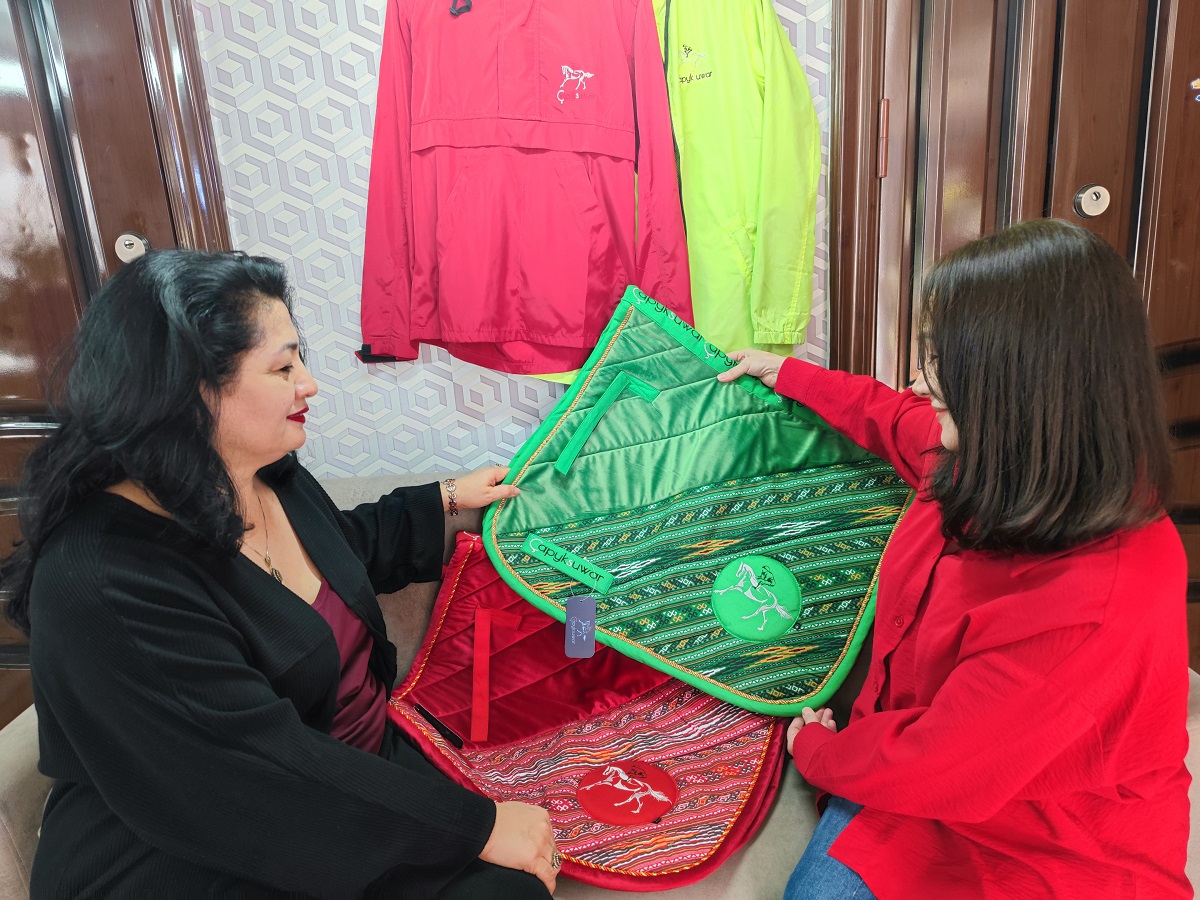
-Jamilya Ekeevna, you are an expert in the textile and clothing industry, a coach, an entrepreneur, and much more. If I were to describe you not through this position and title, but through your feelings: who are you now, at this stage of your life?
-I feel more whole and confident, someone who has learned to accept myself, with all my flaws and strengths. I feel like I'm on a path to self-realization, embracing my successes and failures as important lessons. This is a time of self-discovery and growth, when I strive to understand my true desires and goals.
— You often find yourself in a situation where there are no ready-made solutions. Is that a choice or a matter of character?
— I prefer to be open to new possibilities and not be afraid of uncertainty. The absence of ready-made solutions is a chance to create something new and unique. And it's more a matter of character. I've always been inclined to seek out new paths. I see this as an opportunity for creativity.
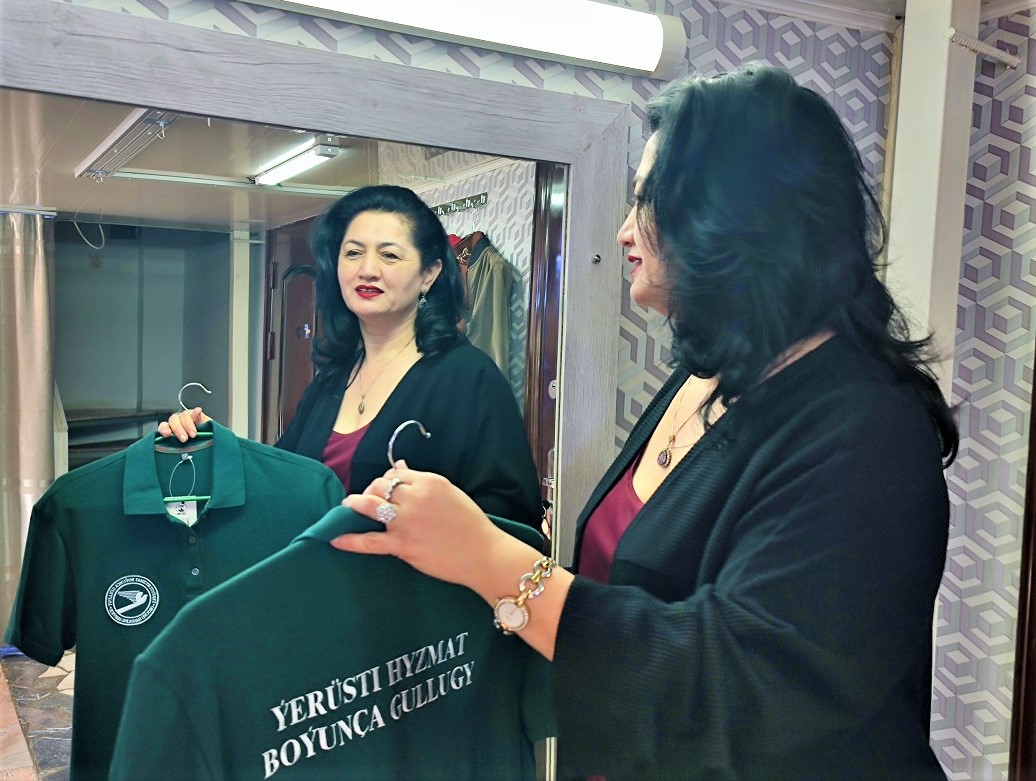
-Do you ever feel like you launch ideas, and then they take on a life of their own, picked up by others? How do you feel about that?
Yes, that happens. I see it as a victory. It means my ideas have found a response. I'm glad they can develop and inspire others, even if I'm not involved.
-What's the hardest part of this journey: doubt, resistance, or the fatigue of constantly taking the first step?
The hardest thing for me is overcoming doubt. It can be paralyzing, but I try to turn it into a source of motivation for growth and development.
-Looking beyond clothing: what's more important in the industry today—taste, technology, or thinking? And why?
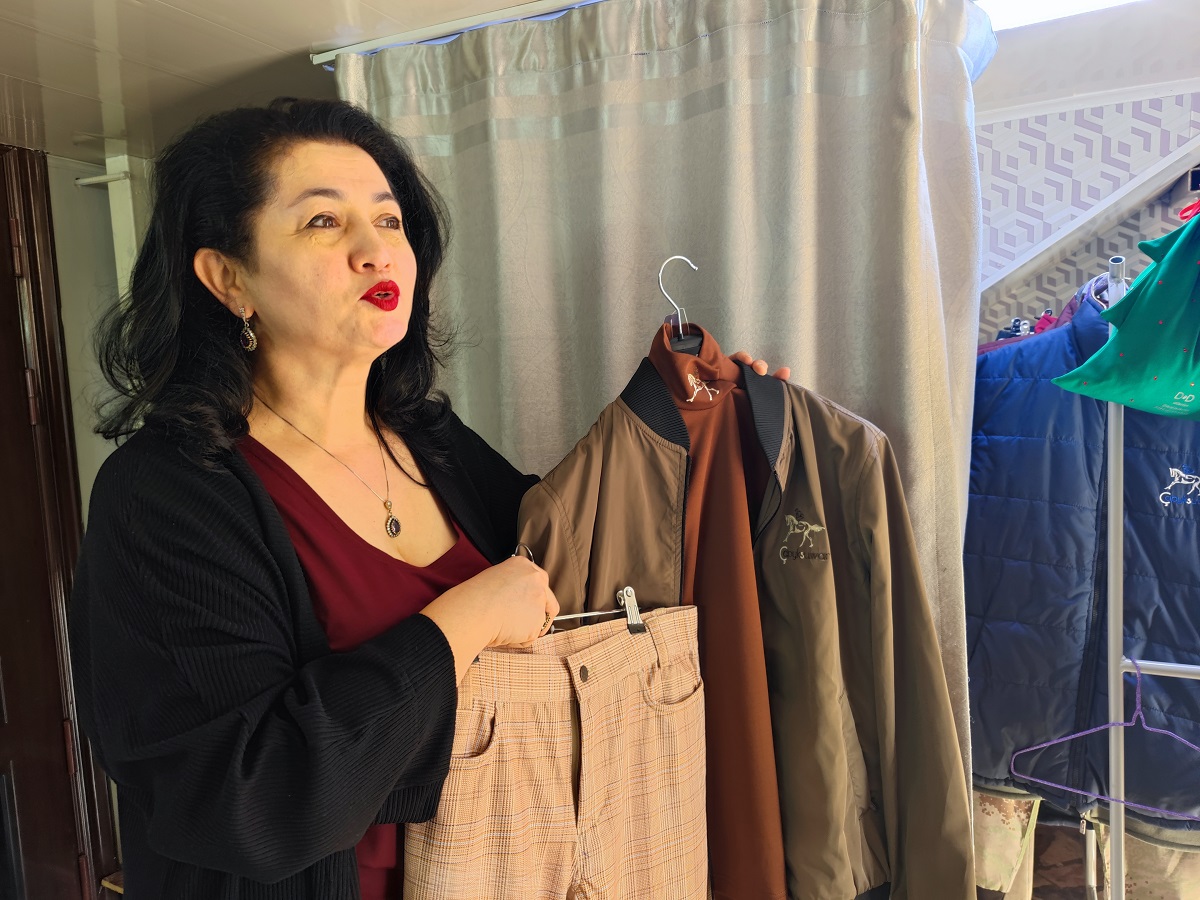
I believe thinking is the most important thing. Taste and technology may change, but the ability to think creatively and strategically enables us to adapt to change and find innovative solutions.
-You help others a lot—sometimes very unnoticed. Is this an inner need or a conscious decision?
It's more of an inner need. It's important to me to share my experience and support others, and I do it naturally, without expecting anything in return.
-In moments of uncertainty, what do you rely on: experience, intuition, or the people around you?
In such moments, I rely on my intuition and the people around me. Connecting with loved ones helps me clarify my thoughts and find the right direction.
-What do you think female leadership looks like today, without slogans and beautiful words?
— Female leadership today is about being authentic. I see it in genuine desire and support, not just occupying high positions. It's not about being visible, but about inspiring others with your example and actions.
— Was there a moment when you realized, "I would do this differently today"? What exactly changed?
— Yes, there were such moments. I realized that sometimes it's important to listen to yourself and your needs, rather than follow the expectations of others. This changed my approach to decision-making. I might be less afraid to ask for help. Over time, I realized that it's okay not to know everything and to ask for support.
— If you look back in 5-7 years, what will be important to you as a result of your work?
— It will be important for me to see that I created something meaningful, that it helped other people, and that I continued to grow and develop as a person and a professional.
— What question do you rarely get asked, but you find important?
— I'd be interested in discussing what fears and doubts I overcame along the way. This is an important part of my experience, and I believe it can inspire others.
I'm rarely asked what truly inspires me. This is an important question because understanding your sources of inspiration can guide you in the future.
-Then let's dwell on these questions for a moment. They sound like the internal dialogue of someone who knows their path well.
"If we talk about fears and doubts, the strongest was the fear of not living up to expectations—my own and others'. There were many moments when I doubted the rightness of the path I'd chosen, myself, and whether I had the right to lead the way and propose something new. Over time, I realized that doubts aren't enemies, but markers of growth. Each time I went through them, I became more honest with myself and bolder in my decisions. They taught me to rely not only on external reference points but also on my inner voice.
As for inspiration, I'm truly inspired by people and their changes. Moments when a person develops self-confidence, when they begin to see opportunities where they previously saw limitations. I'm inspired by the process of creation—when an idea becomes a living space, a system, or a path for others." And perhaps what inspires me most is a sense of meaning: when I understand that what I do goes beyond personal success and becomes a point of support for someone else.
— Jamilya Ekeevna, thank you so much for taking the time to share your experience.
— Thank you too for the heartfelt conversation.
Maya ANNAEVA