||
Share:



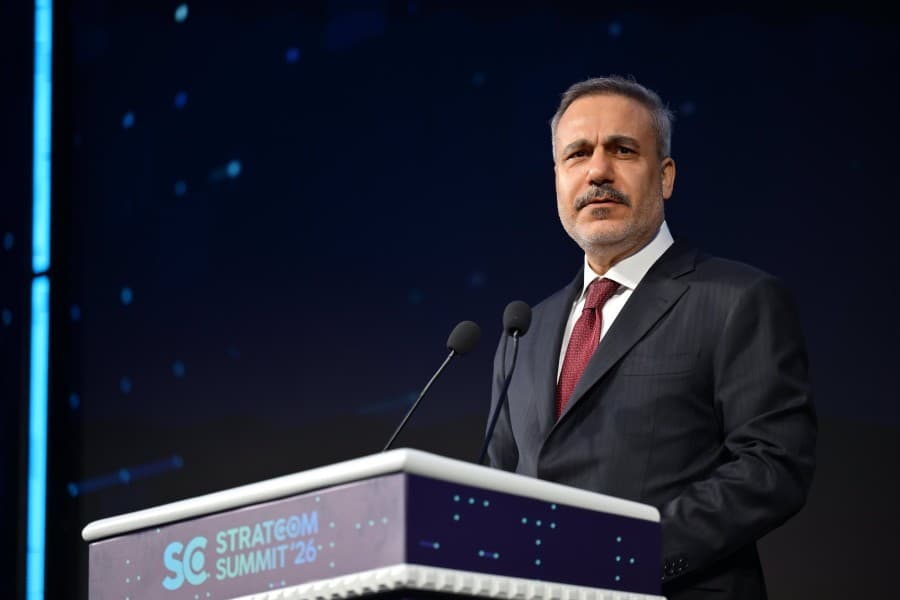
The crisis in the Persian Gulf and the instability of traditional logistics routes have once again highlighted the need to create new energy hubs. In this context, Turkish Foreign Minister Hakan Fidan, in a recent speech, emphasized that the implementation of the Trans-Caspian Pipeline project remains a priority for ensuring energy sustainability not only in the region but also globally.
According to the vision of the Turkish leadership, Ankara seeks to consolidate the resources of the Caspian, Central Asia, and the Middle East to create a powerful distribution hub. Turkmen natural gas occupies a central place in this strategy.
TASS is broadcasting excerpts from Hakan Fidan's speech on the A Haber television channel. Here are the key points:
Trans-Caspian Route: Turkey expresses hope for a swift agreement on a pipeline across the Caspian Sea. This "short section" will connect Turkmenistan's richest deposits with the European gas transportation network via Azerbaijan and Turkey.
Alternatives and Security: The current situation in the Strait of Hormuz has confirmed Turkey's status as a stable and secure land corridor for international logistics and energy.
Global Demand: Diversification of energy sources is becoming vital for the world's largest economies (China, India, South Korea), increasing the value of Turkmen gas as a reliable and accessible resource.
Hakan Fidan noted that the political will to create the hub is fully formed, and the key to success will be consistent work on joint solutions with regional partners. Ankara is confident that the lessons learned from the current global crisis will encourage all stakeholders to engage more actively.
For Turkmenistan, which consistently advocates for the safe and free transit of energy resources, such initiatives open new opportunities to realize its export potential and strengthen its status as a key player in the global energy market.
 Chinese New Year