||




 Chinese New Year
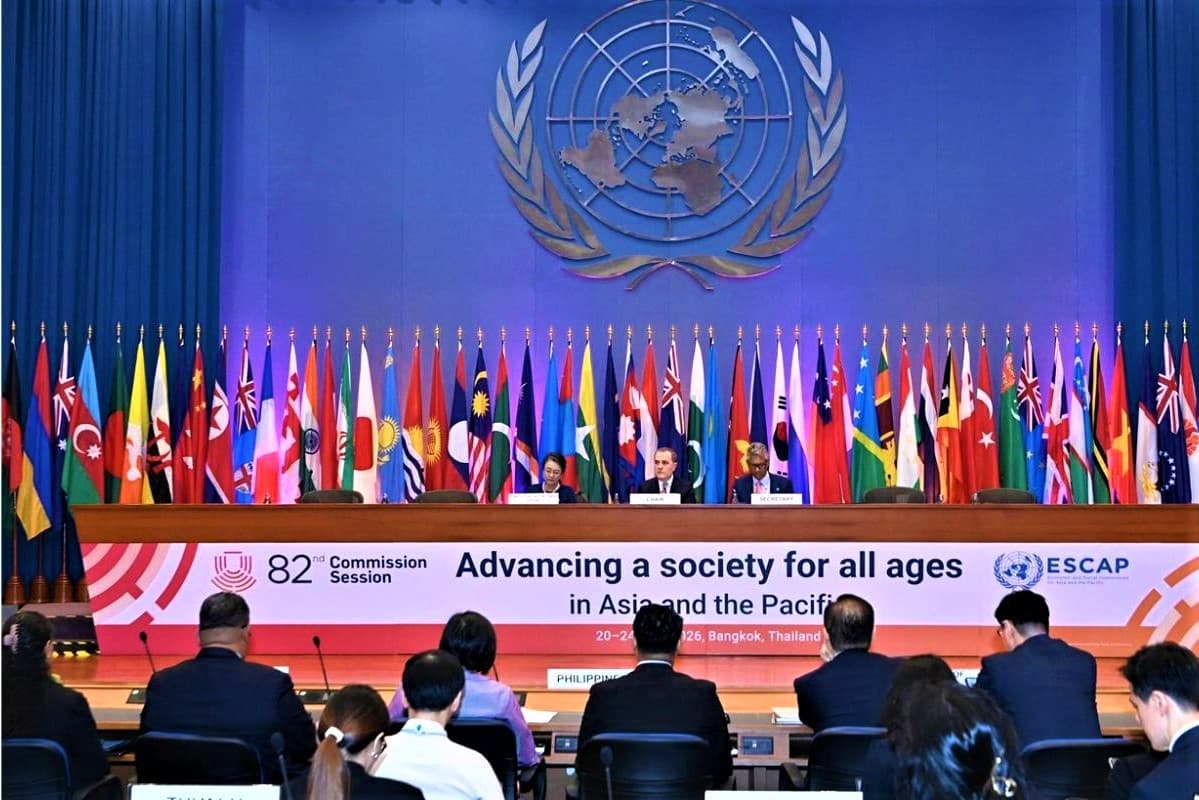
The 82nd session of the United Nations Economic and Social Commission for Asia and the Pacific (ESCAP) has begun in Bangkok. Under the motto "Leaving No One Behind," delegations from dozens of countries are discussing how to make the region's development truly inclusive. Turkmenistan, represented at the forum by a delegation led by Deputy Minister of Finance and Economy Perkhat Yagshiyev, is not just a participant but a strategic partner with 34 years of integration experience.
A member of ESCAP since 1992, Ashgabat has evolved from adapting international standards to shaping the regional agenda. Today, Turkmenistan is the author of key ESCAP resolutions in the areas of transport and the environment. Participation in the current session confirms the country's readiness to scale up its national achievements in energy and digitalization throughout the Asia-Pacific region.
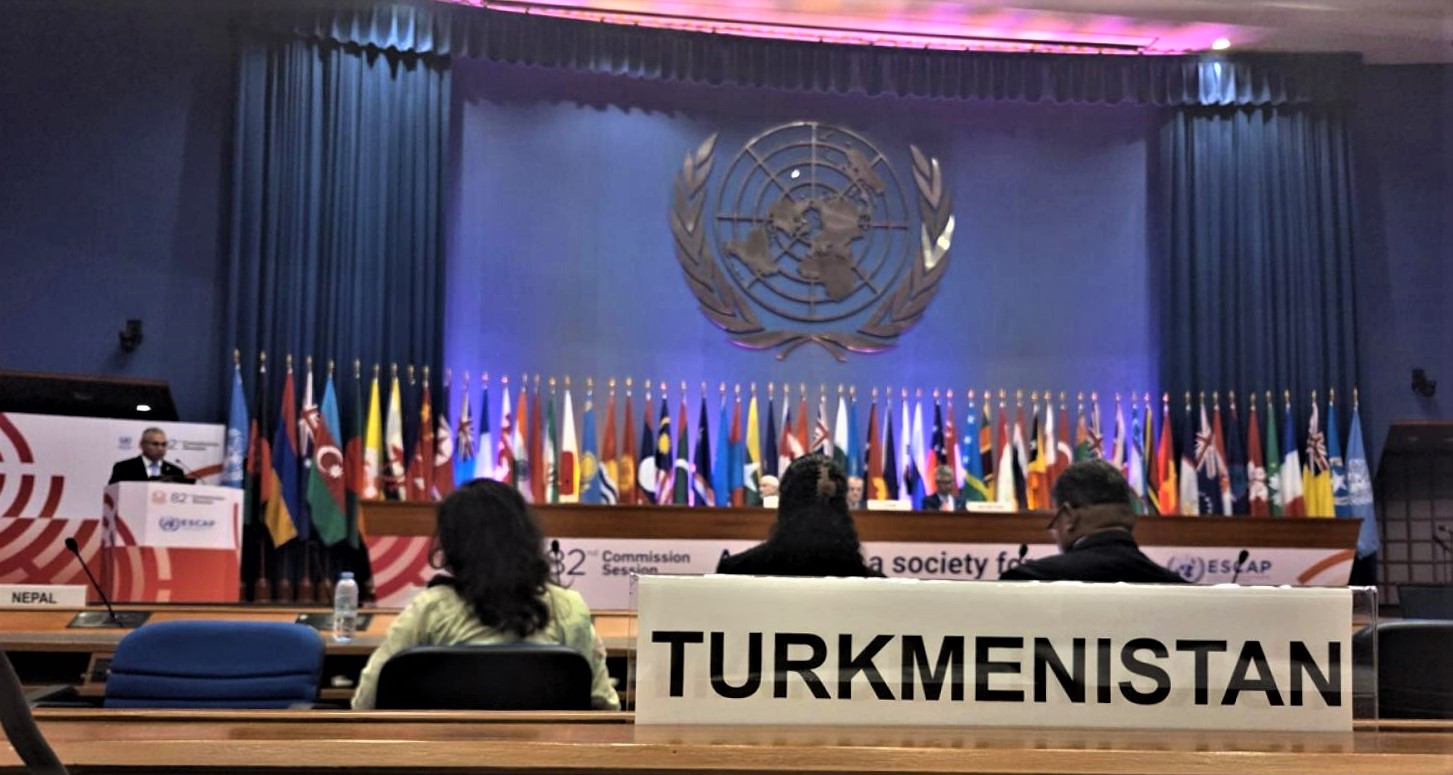
The Ministerial Meeting of the SPECA (United Nations Special Programme for the Economies of Central Asia) member states holds a special place on the session's schedule. Here, the discussion moves to a practical level, covering three key areas:
Green Transformation: transforming transit corridors into environmentally friendly routes;
Digital Trade: simplifying procedures for small and medium-sized businesses;
Human Capital: training specialists capable of managing the logistics of tomorrow.
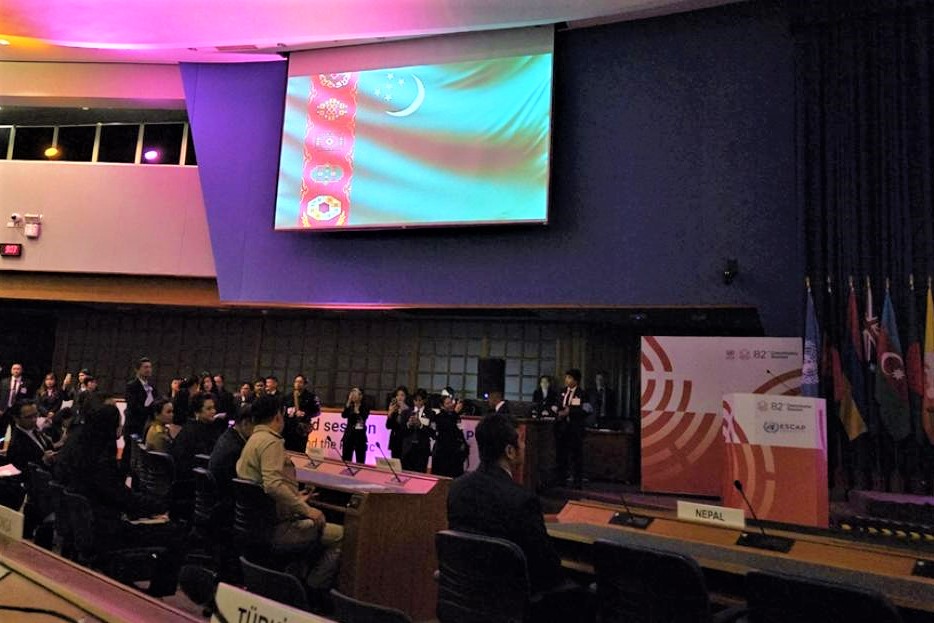
Beyond logistics, the 82nd session covers a wide range of issues, from disaster risk reduction to innovative entrepreneurship. For Turkmenistan, this is a platform for aligning national plans with the global Sustainable Development Goals. The main objective is to ensure a growth model that converts economic success into the well-being of people of all ages.
The session will run until April 24, and it is expected that the Turkmen side's proposals for strengthening transport and logistics connectivity will be reflected in the forum's final documents.