We are guided by what unites people




News
Articles
Media
Announcement
 Chinese New Year
Technology
About Us
Contacts
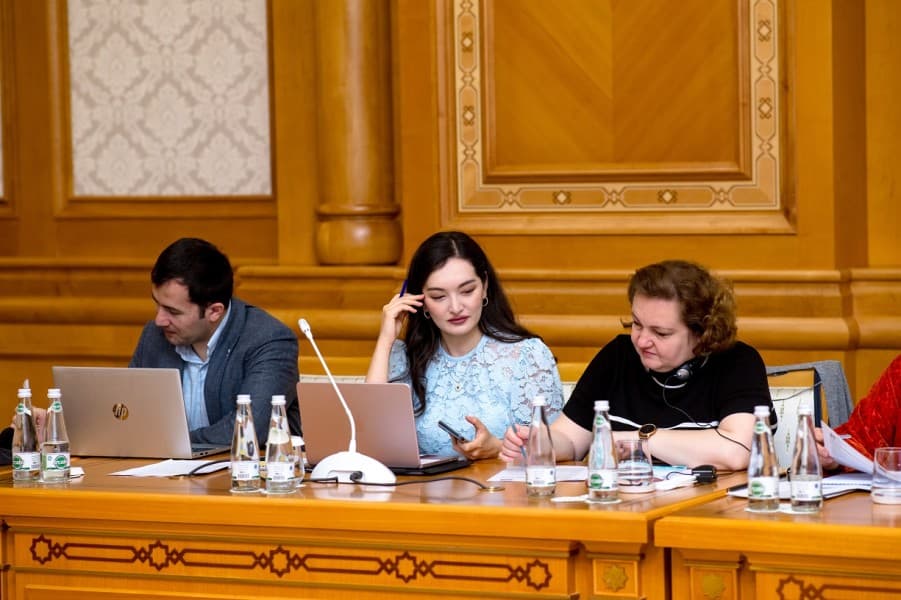
Chinese New YearAn expanded two-day seminar dedicated to the implementation of international practices in the field of technical regulations and standards was held in Ashgabat. The event, which took place on April 21–22 at the Archabil Hotel, served as a key component in the implementation of the "Turkmenistan: Trade Sustainability and Integration" project, aimed at providing systemic support for the country's accession process to the World Trade Organization (WTO).
In the context of globalization, technical regulation is ceasing to be a purely technical matter, transforming instead into a powerful instrument of economic diplomacy. At the opening of the seminar, Ylkham Yarashov — Head of the WTO Cooperation Division at the Ministry of Finance and Economy of Turkmenistan—along with representatives of the European Union, emphasized that the harmonization of standards directly impacts the recognition of, and trust in, national brands within global markets.
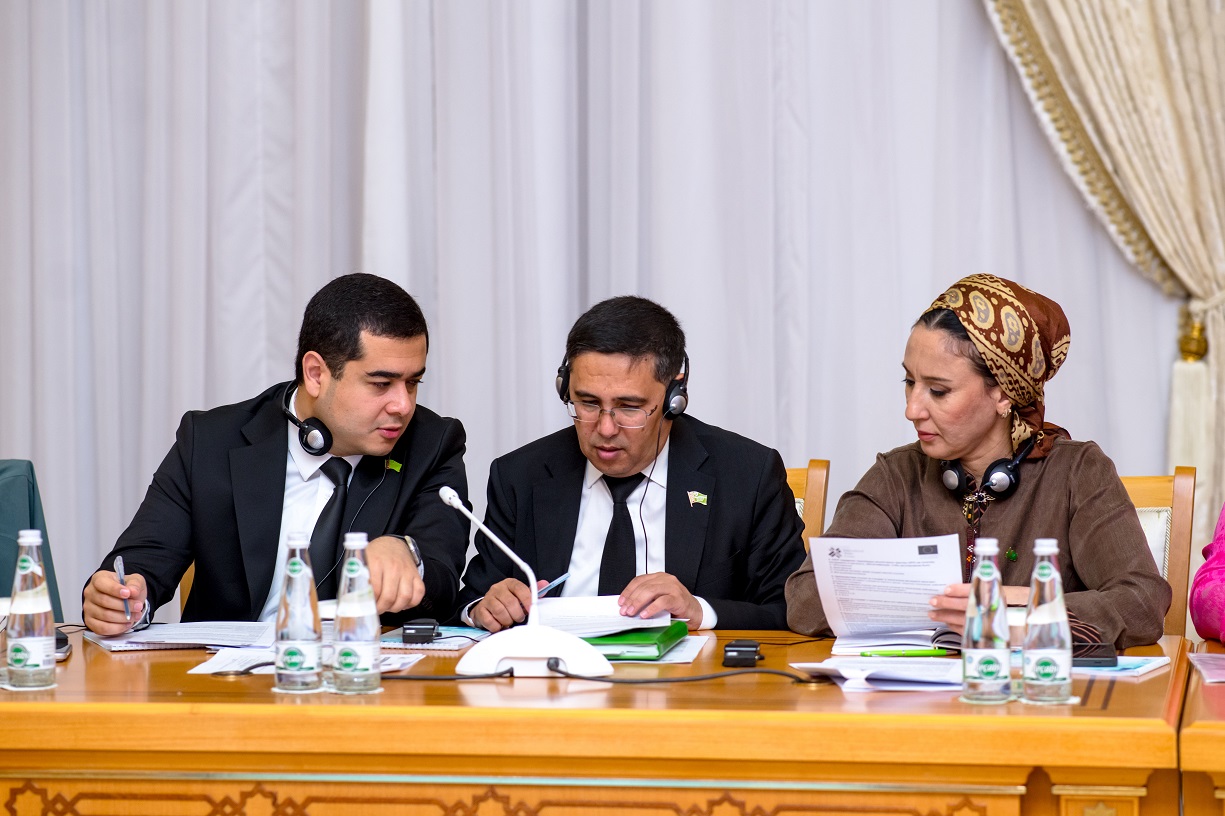
The forum's primary agenda focused on an in-depth analysis of the Agreement on Technical Barriers to Trade (TBT) and the Agreement on Sanitary and Phytosanitary Measures (SPS). International experts from the International Trade Centre (ITC)—Kemraj Ramful and Hiroki Yamada—presented participants with practical frameworks for implementing key WTO principles: regulatory transparency and non-discriminatory market access for products.
Experts devoted particular attention to distinguishing between key concepts. Technical regulations, which are mandatory in nature, are designed to ensure safety and protect public interests. Standards, conversely—which are most often applied on a voluntary basis—serve as a tool for standardization and quality improvement.
For Turkmenistan, which seeks to expand its exports of food and agricultural products, establishing a clear link between TBT measures and phytosanitary requirements is of critical importance. It is precisely this synergy that enables the elimination of hidden trade barriers and facilitates the entry of domestic goods into foreign markets.
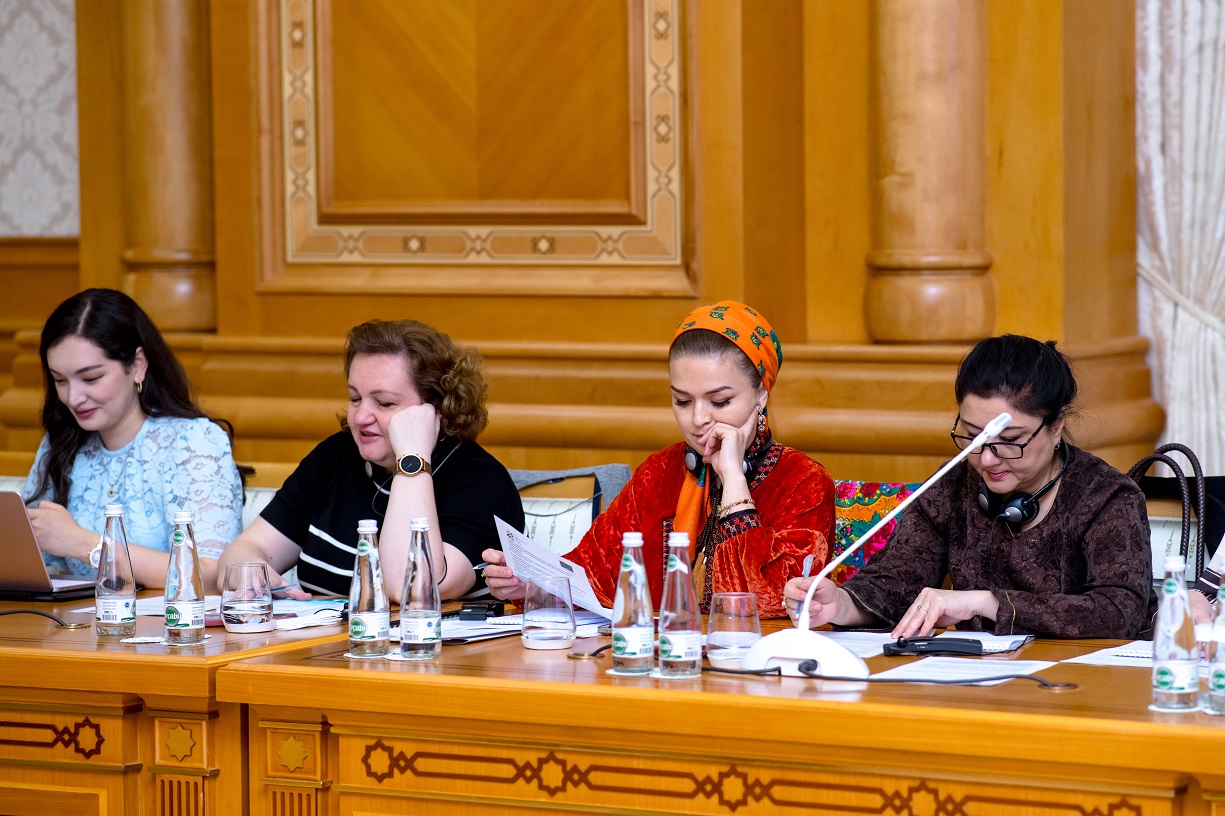
The interactive format of the seminar enabled representatives of the Main State Service "Turkmenstandartlary" to align the current national certification system with international ISO/IEC recommendations. Participants analyzed in detail the methods for referencing standards within regulatory acts and discussed the Code of Good Practice.
Work in this area is ongoing. On April 23, ITC experts will continue their consultations with "Turkmenstandartlary." The discussions will focus on draft laws regarding "Standardization" and "Technical Regulation and Conformity Assessment." These documents are designed to establish a modern legal framework that meets WTO criteria.
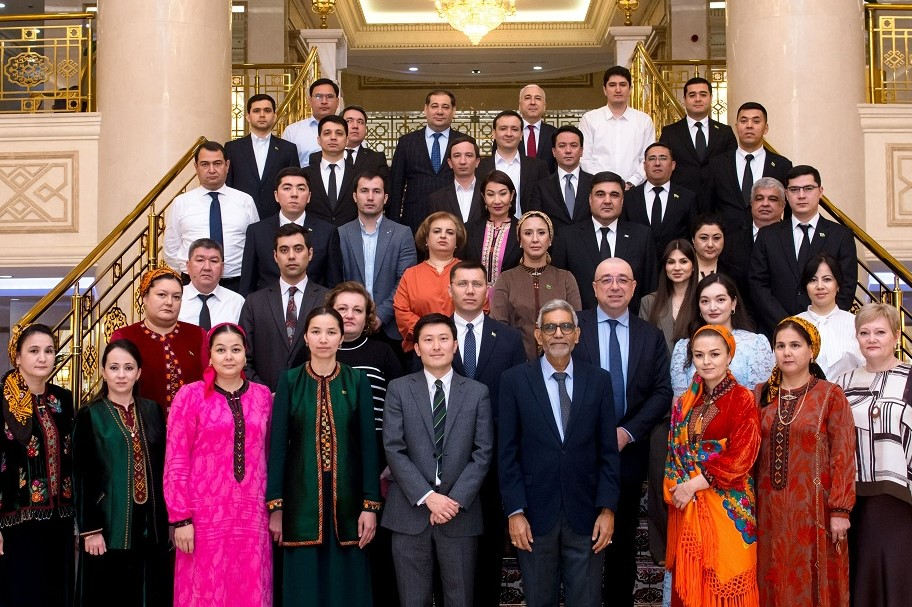
As noted by Hiroki Yamada, the ITC observes a high level of readiness on the part of the Turkmen side to transform its current structure in accordance with the provisions of the WTO Agreement on Technical Barriers to Trade (TBT). In the long term, the implementation of these practices will ensure regulatory predictability and sustainable economic growth for the country.