||




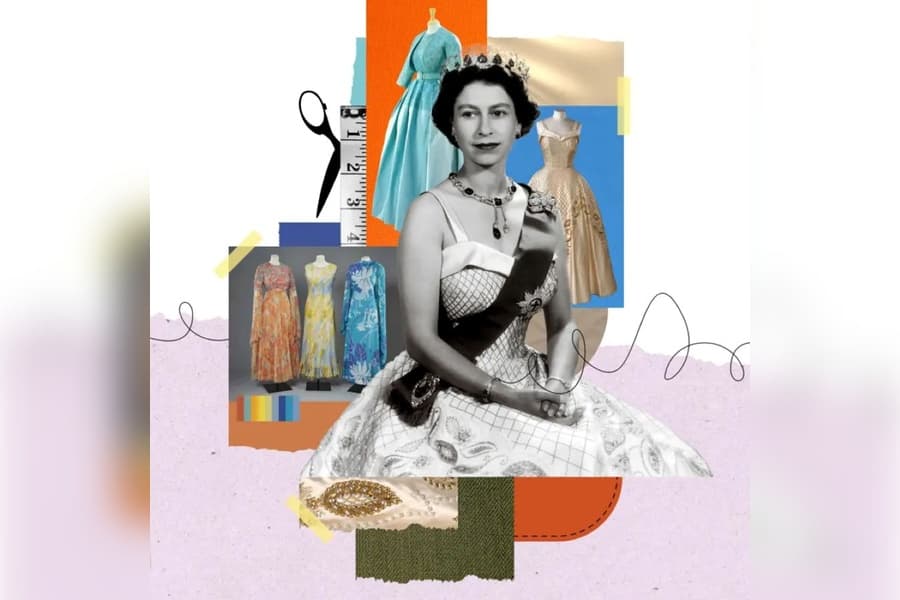
This week, London marked the 100th anniversary of the birth of Queen Elizabeth II. To commemorate the occasion, a unique exhibition was opened at the King’s Gallery in Buckingham Palace. Visitors can explore more than 200 personal items that shaped the monarch’s recognizable style over decades. The exhibition demonstrates that each of her public appearances was a carefully crafted diplomatic gesture.
Experts highlight five iconic outfits that became symbols of an era:
1. Tweed and tartan: a symbol of stability
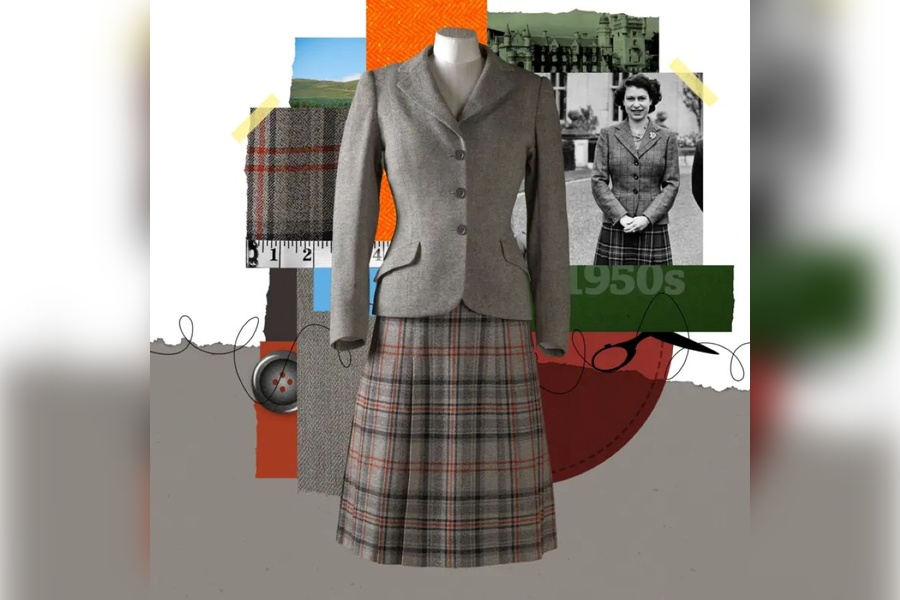
The famous Balmoral jacket-and-skirt ensemble remained unchanged for decades. It conveyed reliability and a commitment to tradition, showcasing the high quality of British craftsmanship beyond fleeting fashion trends.
2. The 1953 Coronation Dress: a political manifesto
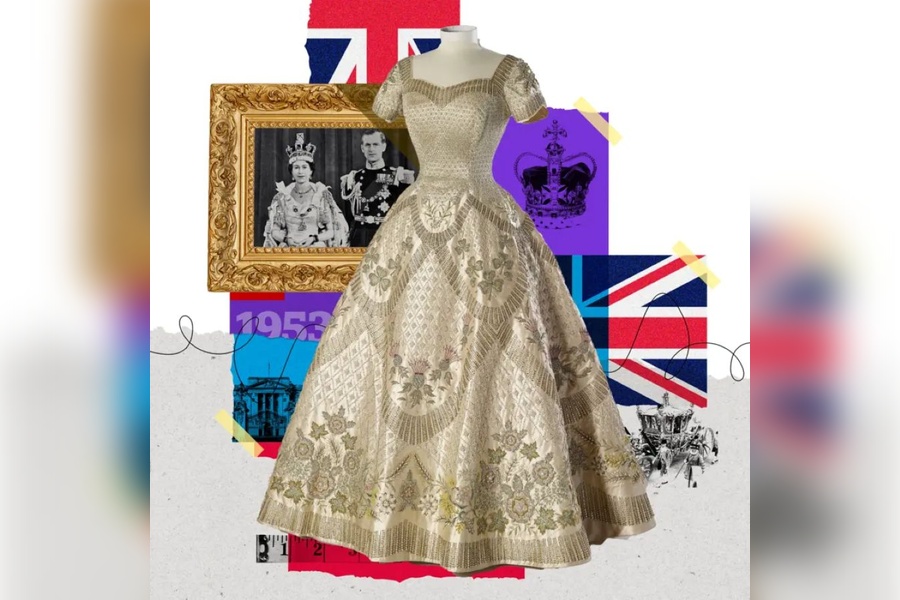
Made of white silk, the dress is embroidered with emblems of the Commonwealth of Nations—from the Canadian maple leaf to the Indian lotus. It stands as a masterpiece of diplomacy, with every detail symbolizing respect for Britain’s allies.
3. The green “Eisenhower” dress: a tribute to the United States
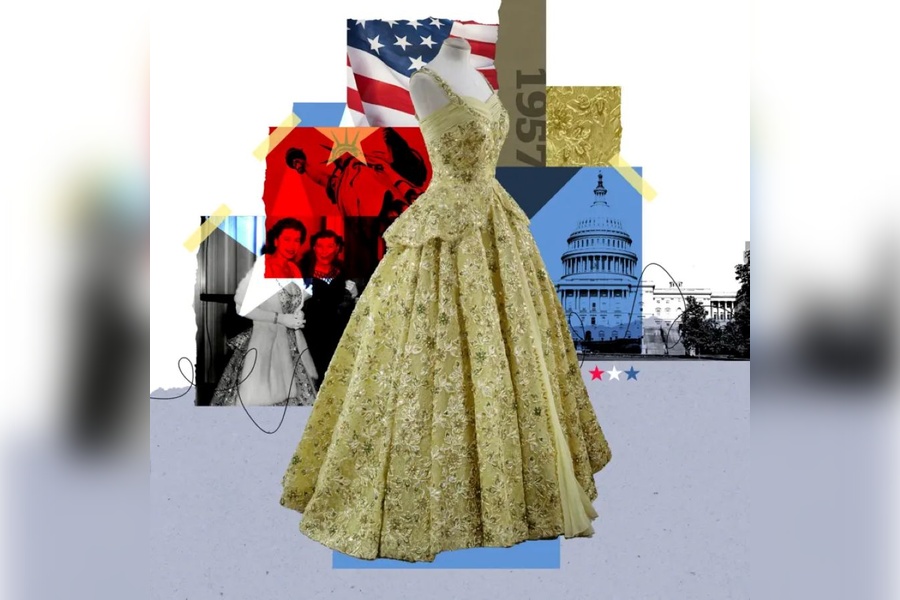
For her 1957 visit to Washington, D.C., the Queen chose an apple-green outfit. Historians interpret this as a subtle reference to America (“the Big Apple”), aimed at strengthening ties during the Cold War.
4. The “kingfisher blue”: on the threshold of new fashion
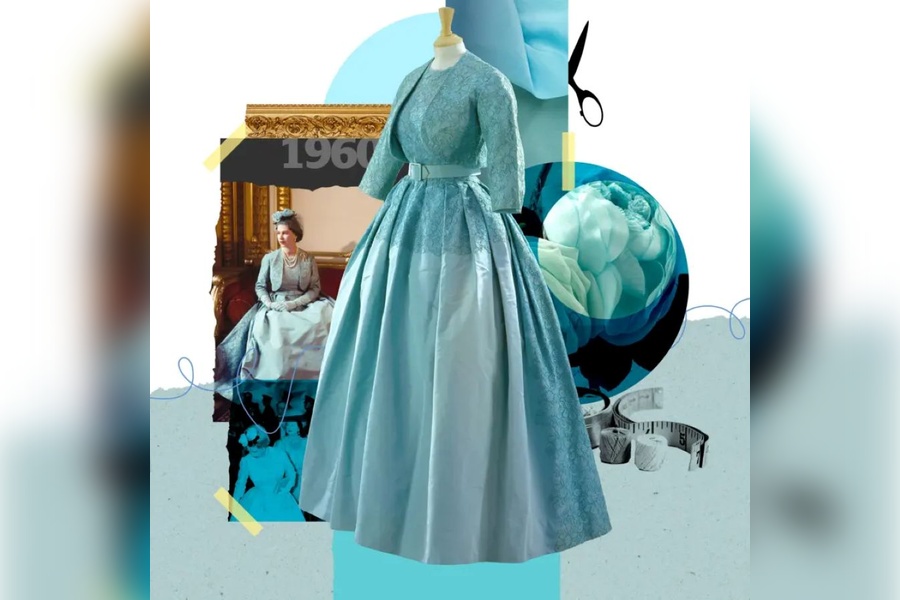
This elegant 1960 dress marked the final note of a classical style before an era of change. The bright blue color emphasized calmness and helped the Queen stand out in crowds, inspiring trust.
5. The transparent raincoat: practicality and openness
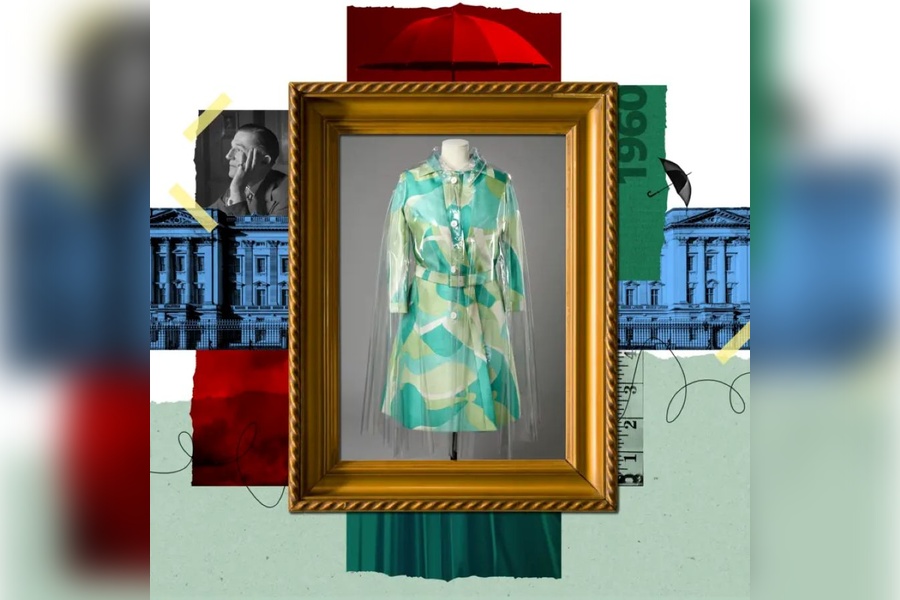
The plastic raincoat of the 1960s illustrates how the Queen adapted to everyday realities. Its transparent material served a key purpose: ensuring that subjects could see her even in the harshest English weather.
Today, these outfits are no longer just garments but part of world history. The exhibition in London offers a rare opportunity to see how impeccable style and attention to detail reveal the secrets of the royal wardrobe’s “soft power.”
ORIENT