||




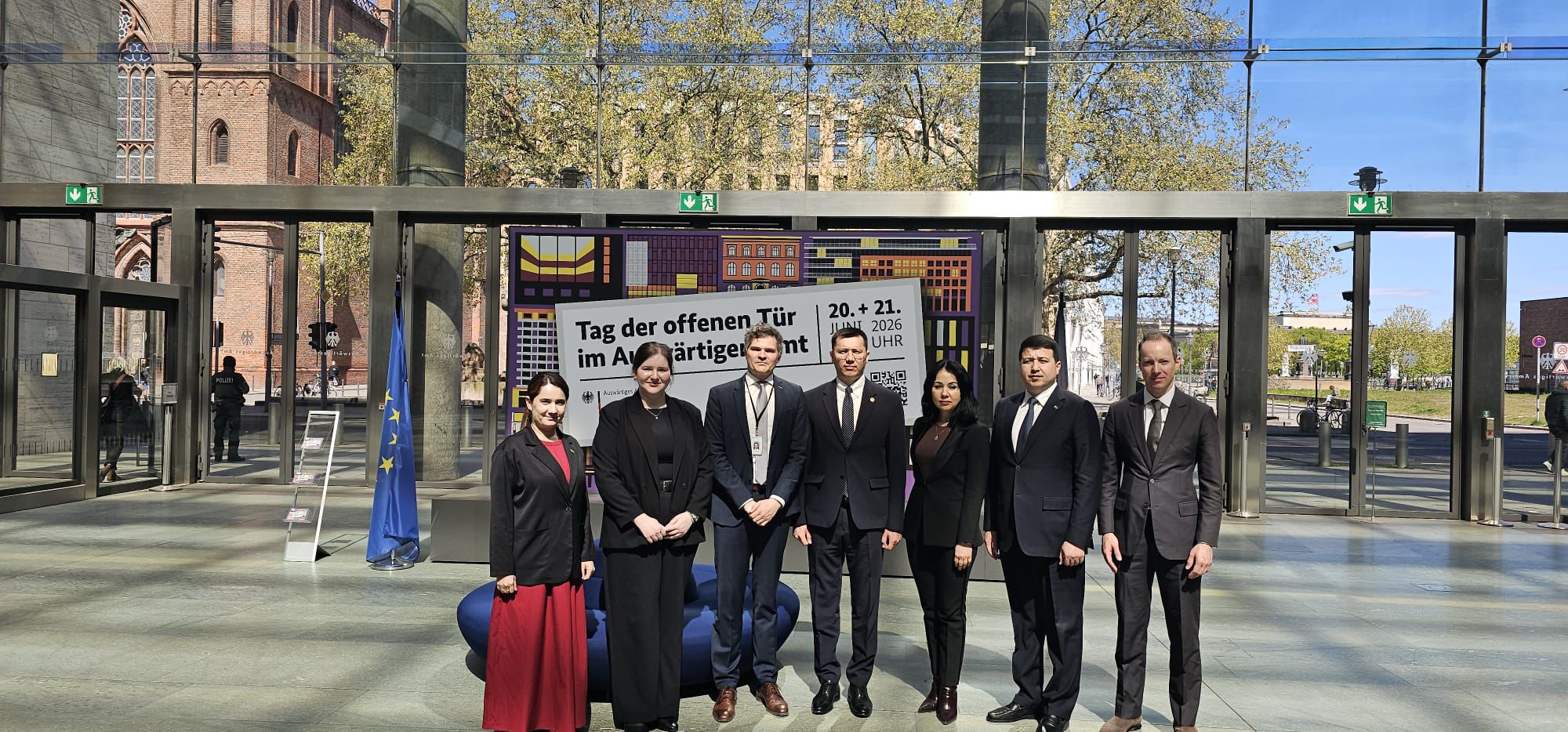
Turkmenistan's accession to the World Trade Organization requires an in-depth study of the practical mechanisms developed by leading European economies. From April 27 to May 1, a series of intensive consultations and meetings are taking place in Berlin, during which a delegation from relevant government agencies is studying in detail the German model for developing trade policy. This visit, organized by the OSCE Centre in Ashgabat, aims to strengthen the expert foundation necessary for successful interaction with the WTO.
Led by Ylham Yarashov, head of the WTO Cooperation Department, Ministry of Finance and Economy, representatives of Turkmenistan's financial and foreign policy ministries held a series of talks in key German ministries.
At the Federal Ministry of Economy and Energy, Turkmen experts discussed in detail strategies for promoting market access and coordinating positions within the multilateral trading system. Their German colleagues focused on the technical requirements for accession and how to build effective institutional ties between various government agencies in preparation for membership.
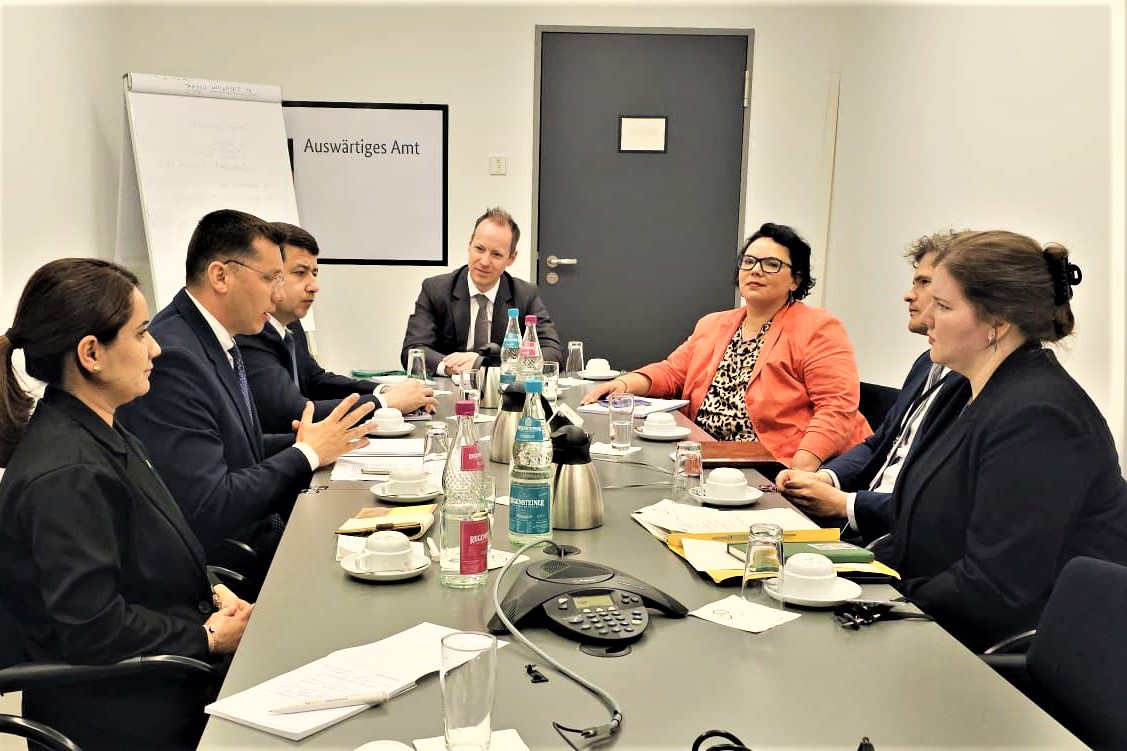
The visit's agenda covered not only general issues of economic diplomacy but also specific areas of particular relevance to Turkmenistan's national economy. For example, at the German Ministry of Food and Agriculture, the parties discussed in detail agricultural trade standards and market access rules for food products under WTO rules.
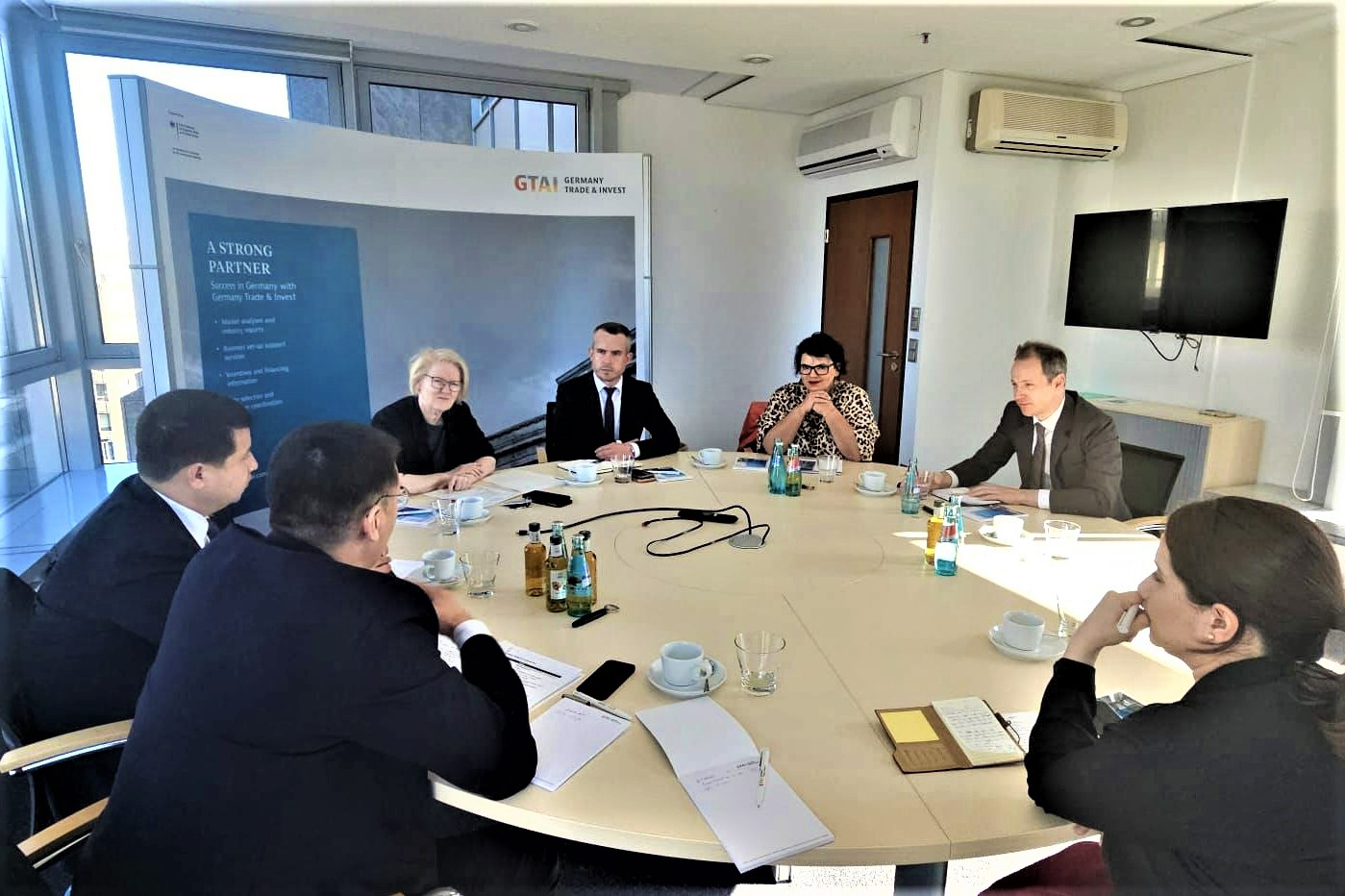
Increasing export potential and practical business support tools were discussed at the German Trade and Investment Agency (GTAI), where the delegation learned how the government can effectively advise the private sector in a competitive global environment.
Beyond purely economic aspects, the agenda in Berlin also touched on sustainable development. At a meeting at the German Federal Foreign Office, initiatives on climate cooperation and the green agenda were discussed in the context of regional cooperation in Central Asia.
An important element of the training program was exploring the role of public-private dialogue. In a discussion with representatives of the German Trade Facilitation Alliance, participants examined how cross-border networks and trade facilitation can drive economic growth.
The delegation members noted that the experience gained in Germany will form the basis for further improvement of national trade policy. Systematizing this knowledge will enable Turkmenistan to more confidently build interagency cooperation and prepare for the next stages of integration, where every detail learned in Berlin can play a role in strengthening the country's position on the global stage.