||




 Chinese New Year
March 2026 promises to be a month of significant astronomical phenomena — from rare eclipses to beautiful lunar-planetary conjunctions worth marking on your observation calendar.
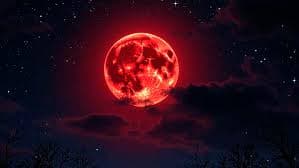
Total Lunar Eclipse — “Blood Moon”
March 3, 2026
The Earth will completely cover the Moon with its shadow, giving it a distinctive reddish hue — a phenomenon known as a “Blood Moon.” This will be the only total lunar eclipse of 2026 and the last one until the end of 2028.
Lunar and Planetary Encounters
March 6 — The Moon will appear close to the star Spica in the constellation Virgo. March 20 — A noticeable Moon–Venus conjunction will occur on the day of the spring equinox. March 26 — The Moon will meet Jupiter — a remarkable celestial event.
Lunar Phases
March 3 — Full Moon (coinciding with the eclipse). March 19 — New Moon, a period of dark skies ideal for observing faint astronomical objects.
Spring Equinox — March 20
Day and night will be nearly equal in length as the Sun crosses the celestial equator. In the Northern Hemisphere, this marks the official first day of spring, signaling a seasonal transition and opening new opportunities for astronomical observations.
Conclusion
March 2026 will offer observers bright, rare, and inspiring celestial events. From the Blood Moon to lunar-planetary conjunctions and the spring equinox, this is a month when the cosmos demonstrates the grandeur and precision of its phenomena, allowing us to appreciate the vastness and beauty of the Universe.
ORIENT