||




 Chinese New Year
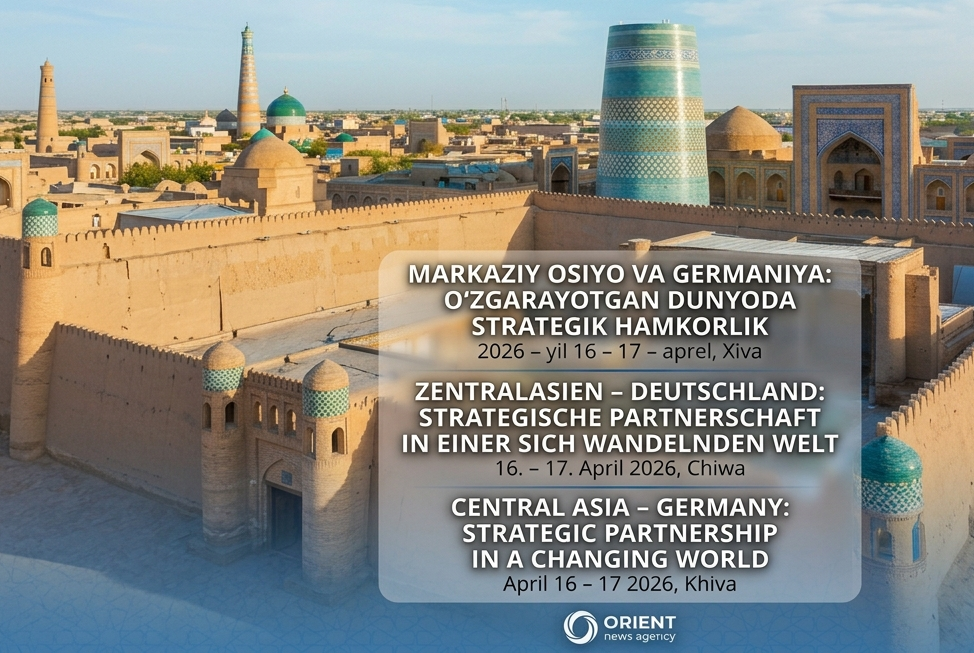
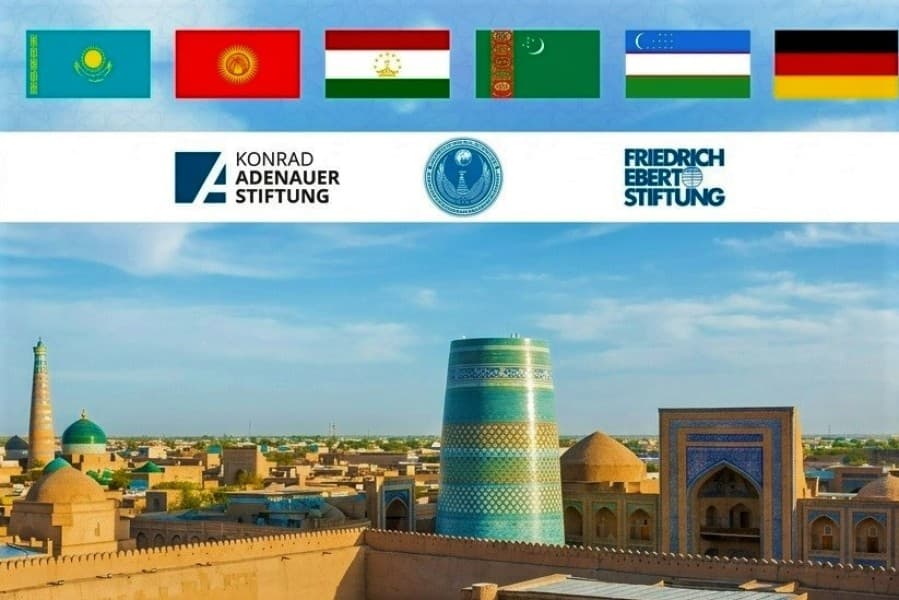
On April 16–17, the ancient city of Khiva, Uzbekistan, will host a prestigious event with a new format: the first Central Asia – Germany Expert Forum. The meeting will serve as a practical implementation of the initiatives put forward by the heads of state at the Astana summit in the fall of 2024.
The main goal of the forum in Khiva is to create a permanent expert platform. This will be a kind of "think tank" in the "CA + Germany" format, designed to fill political agreements with specific calculations and projects.
Over 50 heads of leading analytical institutes, academics, and business representatives will participate in the discussions. Turkmenistan will be represented at the forum by leading experts whose goal is to integrate national interests into the overall strategy of regional partnership with Germany.
According to the forum's concept, cooperation will be built on three pillars:
Energy and the Green Transition: Given Turkmenistan's status as an energy power, special attention will be paid to the modernization of extractive industries and the introduction of German technologies in renewable energy and hydrogen energy.
Transport Connectivity: Development of the Middle Corridor and modernization of logistics hubs. Here, experts will discuss how to close the "infrastructure gap" between regions.
Human Capital: Germany is interested in skilled personnel, and Central Asia is interested in the transfer of educational standards. Discussions are planned on dual education programs and organized labor migration.
For Ashgabat, participation in the Khiva Forum is an opportunity to align national development programs with Germany's technological potential. Experts will discuss how to transform political trust into direct investment in industrial cooperation and IT infrastructure.
The historical connection also lends symbolism to the meeting venue: the Khorezm oasis has historically been a place of cultural synthesis, thanks in part to the experience of German communities. Today, this historical foundation serves as the basis for building a long-term and pragmatic union.