


Turkmenistan is a multinational and multi-religious country. For many centuries, people of different nationalities and followers of different faiths lived side by side in friendship and harmony on its territory.
This is evidenced not only by historical evidence and chronicles, but also by archaeological finds documenting a unique neighborhood, where Muslim mosques, Christian churches, and Buddhist stupas were built in close proximity.
Even today, the Law of Turkmenistan "On Freedom of Religion and Religious Organizations" protects the interests of believers, guaranteeing the right of every citizen to profess any religion or to profess no religion at all.
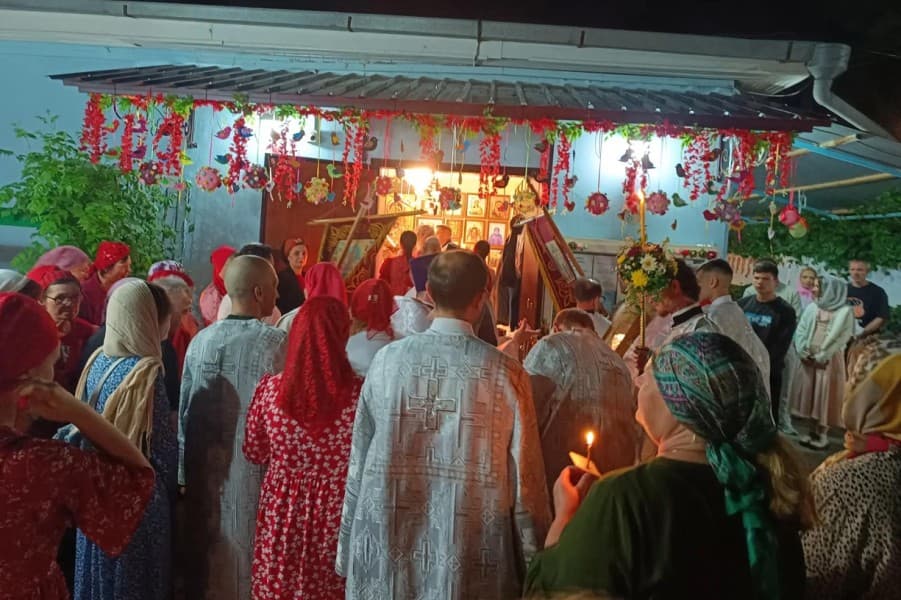
Last Sunday, April 12, on the familiar holiday of Cosmonautics Day, Orthodox believers in Turkmenistan, together with their fellow believers across the globe, celebrated the Resurrection of Christ – Easter.
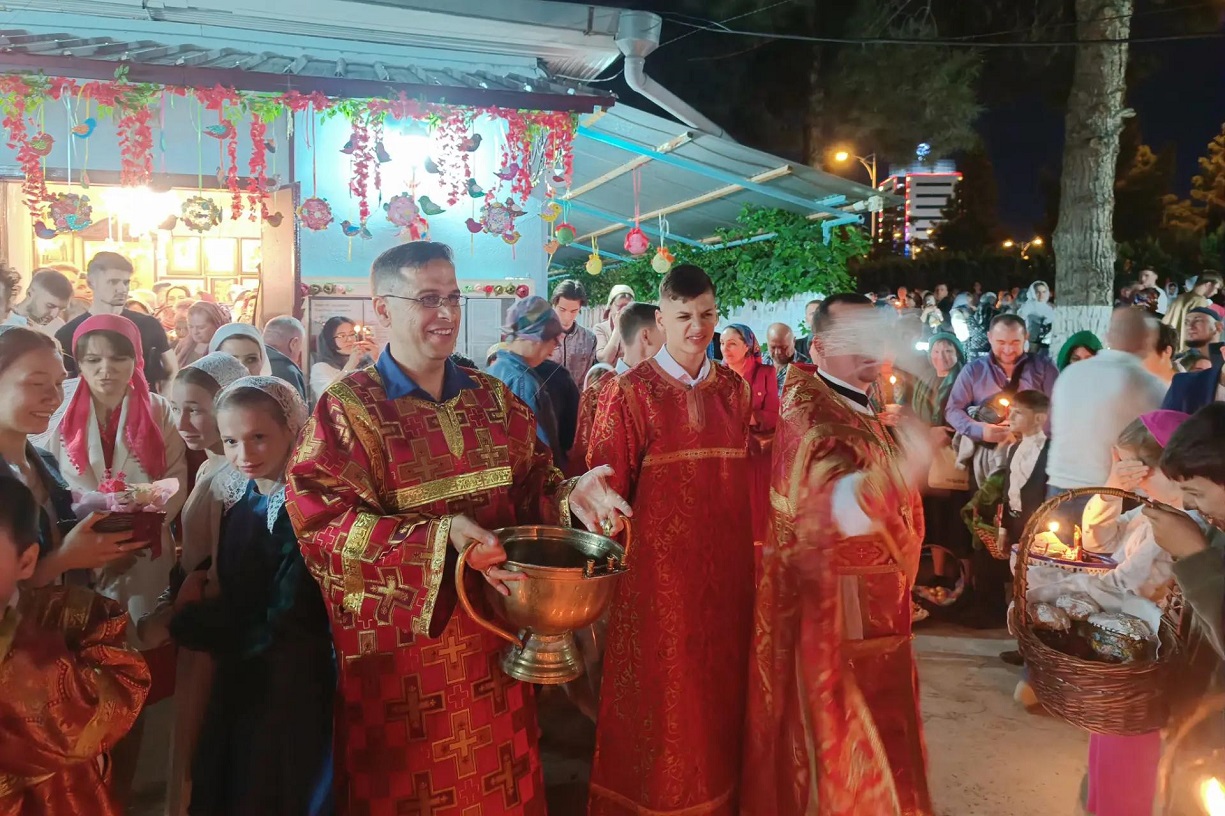
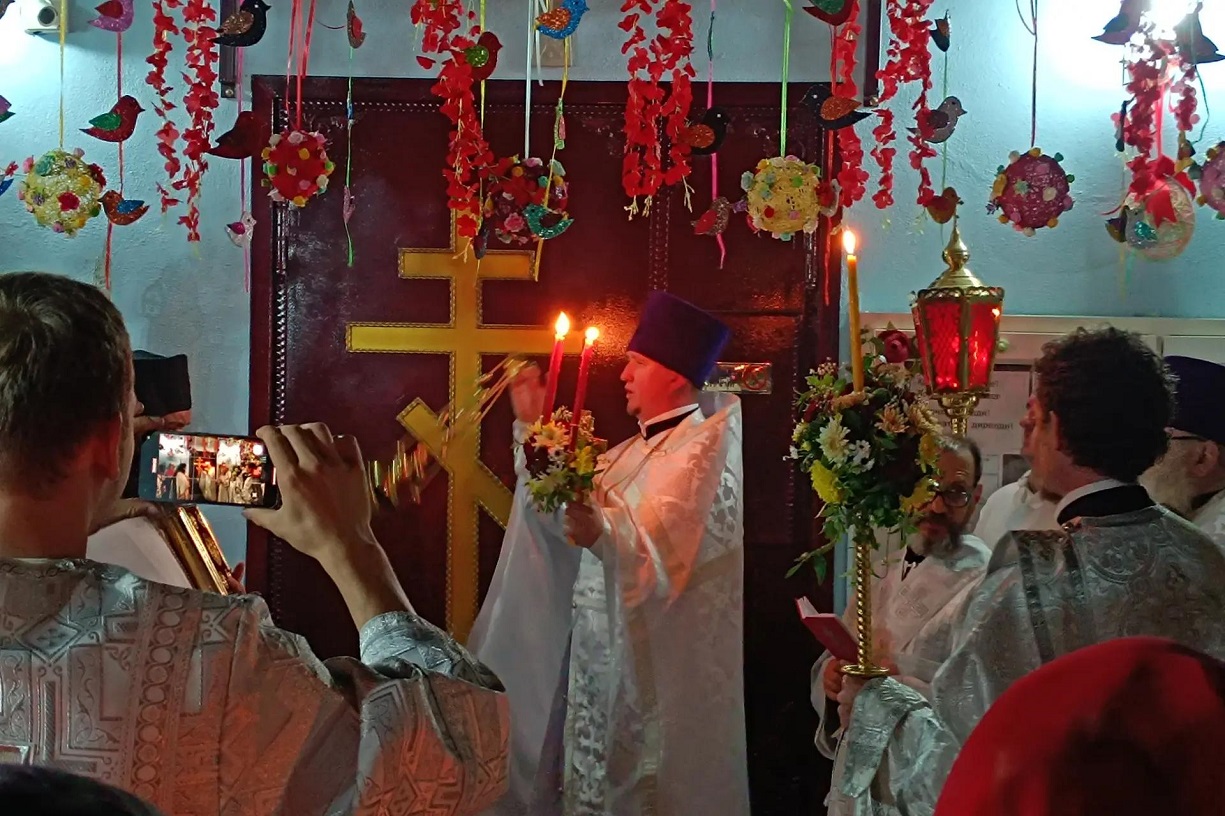
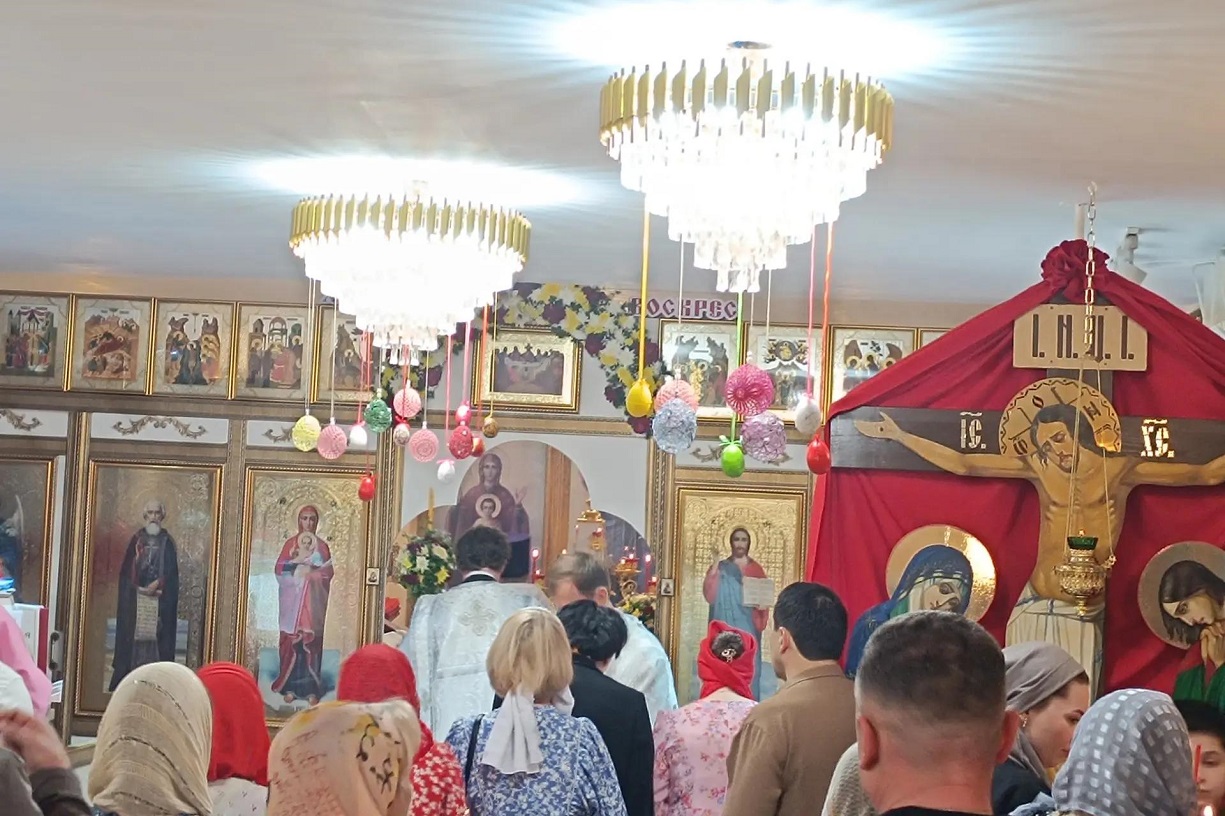
Services were held in all Orthodox churches in Turkmenistan. Before the service, a procession with the cross was held, as per tradition. The faithful recited prayers and sang Christian hymns, while they walked around the church holding lit candles.
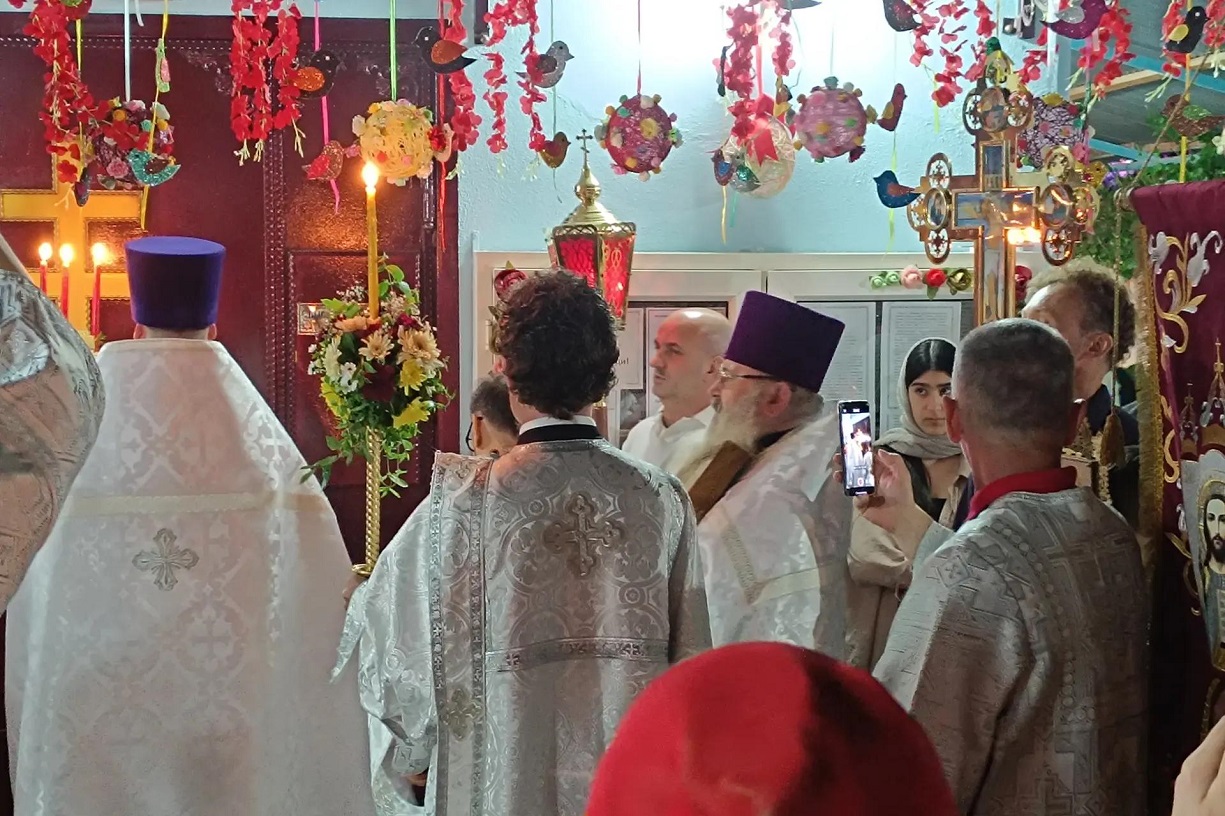
With undisguised joy, the clergy proclaimed the greeting, "Christ is Risen!", receiving a resounding "Truly He is Risen!" in response. During the service, the rite of blessing the Artos—a special bread symbolizing unity and the gifts of God's grace—was performed.
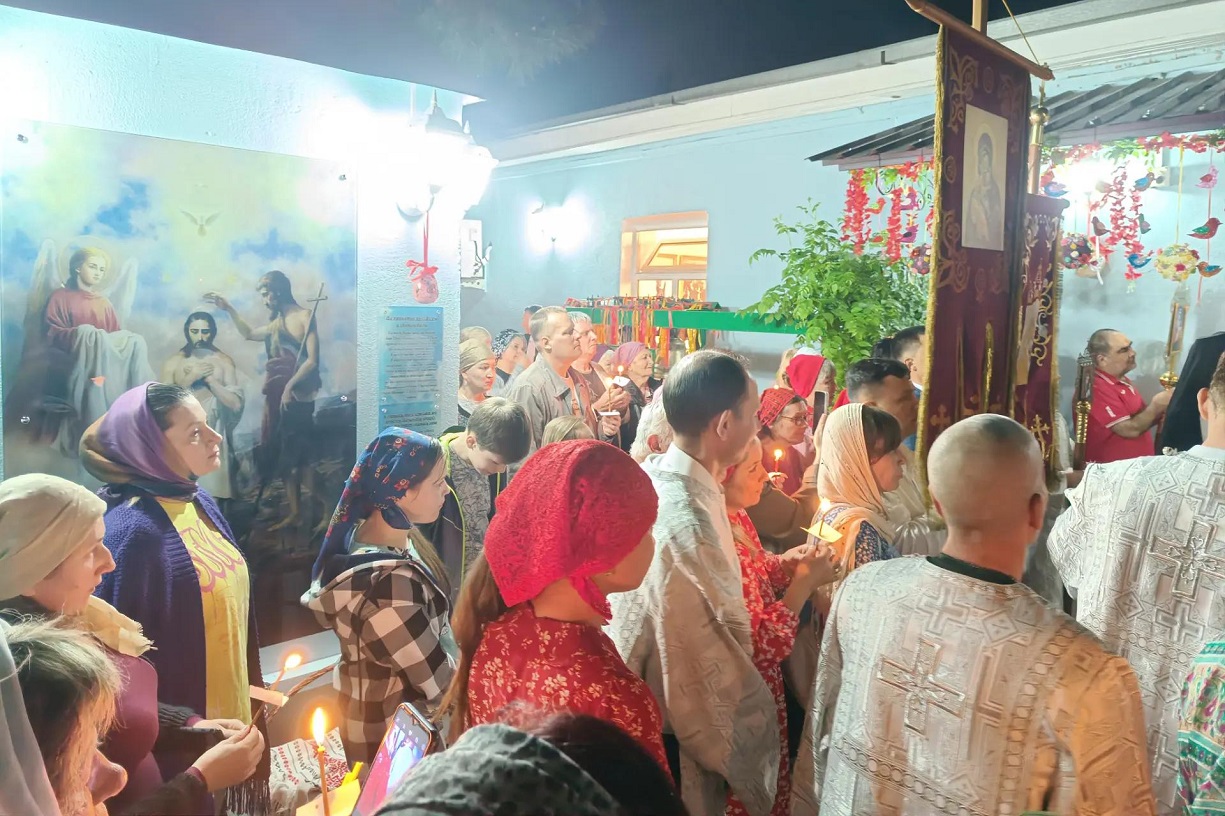
The rite of blessing the specially prepared Artos bread, along with other Easter dishes, symbolized unity, the richness of spiritual life, and the gifts of God's grace.
The festive attire of the parishioners, with its predominantly red tones, recalled ancient legends. According to one legend, drops of the crucified Christ's blood turned into hard stones, which, after his resurrection, the faithful gave to each other as a symbol of life's victory over death.
Another legend is associated with Mary Magdalene, a follower of Jesus who, following her Teacher witnessed his crucifixion. This happened on a Friday. Later, on Sunday morning, she brought eggs to his resting place. When the grief-stricken Mary Magdalene saw the risen Christ, the eggs immediately turned red. Thus, she became the first to behold the miraculous appearance of the Risen Christ.
There is another legend, also associated with Mary Magdalene. It tells how, immediately after Christ's resurrection, she brought a chicken egg as a gift to Tiberius, but the arrogant emperor declared that her request would only be considered when the gifted egg turned red. And then, unexpectedly, right before his eyes, the miracle occurred.
…Another Christian symbol—tall, icing-covered sweet bread—represents the presence of the resurrected Jesus at the table. In the early centuries, Christians, constantly awaiting the Second Coming of Christ, invariably set aside a place for him at the table with bread—it is said that the custom of baking Easter cakes arose from that time.
Throughout the day, Orthodox Christians treat not only each other, but also neighbors, friends, and acquaintances with Easter cakes and painted eggs, regardless of their faith, just as Muslims, during the recent Eid al-Fitr, treated everyone who entered their home, including Christians.
According to legend, Christianity was brought to Turkmenistan by the holy apostles Thomas and Andrew the First-Called, who, while spreading the gospel during their travels along the Great Silk Road, passed through Persia and ended up in the Merv Oasis. Here, already in the 3rd century, a metropolis was established, from where the light of faith began to spread deep into the Asian steppes.
It's therefore not surprising that Orthodoxy is the second most widespread religion in all Central Asian countries today.
Today, this atmosphere of spiritual harmony unites the entire region. In Kyrgyzstan, where Easter is recognized as an official holiday, thousands of believers greeted the Holy Fire from Jerusalem at Manas Airport, delivering it to all parishes in the republic.
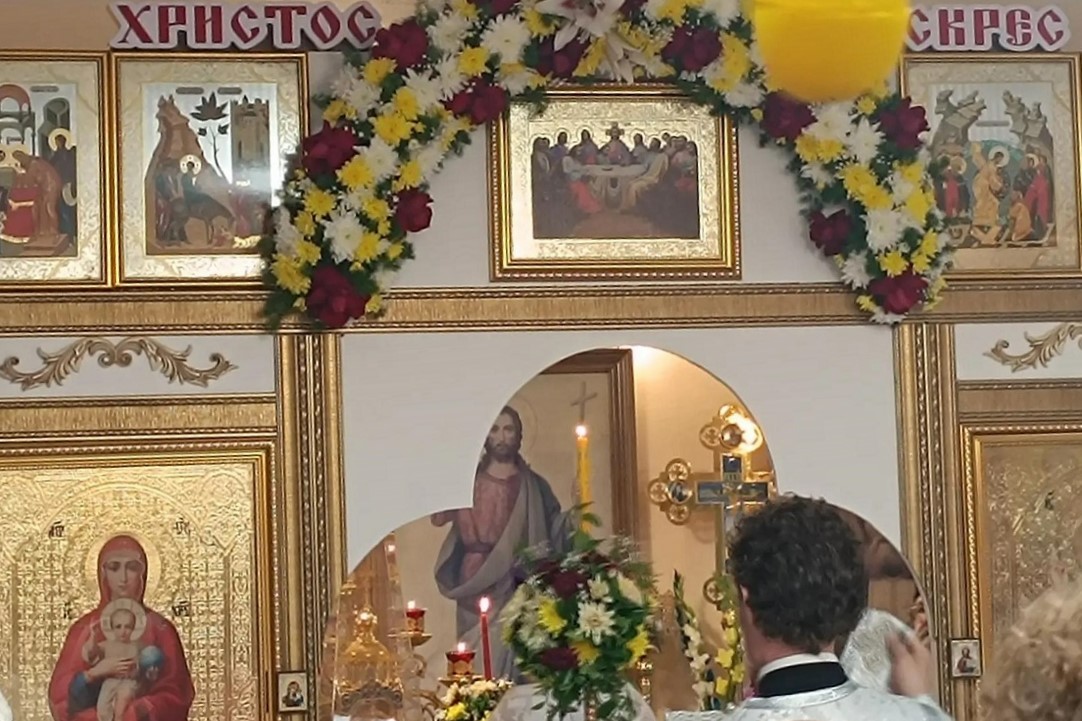
This year, on Easter night, the main festive service was held at the Tashkent Cathedral. Those attending the service brought baskets of Easter cakes and colored eggs for blessing. The church's main iconostasis was decorated with fresh flowers—white and red carnations, gerberas, lilies, and chrysanthemums.
Orthodox Christians in Dushanbe also celebrated Easter in an atmosphere of spiritual harmony with a midnight service at St. Nicholas Cathedral. The Russian Ambassador to Tajikistan and diplomatic mission staff with their families also attended this solemn ceremony. They, along with fellow Tajik Christians, participated in the Easter Divine Liturgy after a candlelit procession with the cross.
Kazakhstan's leader, Kassym-Jomart Tokayev, congratulating his compatriots on the Bright Resurrection of Christ, emphasized that "Orthodoxy makes a significant contribution to the affirmation of the principles of justice, peace, tolerance, and trust in our society."
The day before, the Holy Fire—the fire brought from the Holy Sepulchre, which is housed in the Church of the Resurrection of Christ in Jerusalem—was delivered from Jerusalem to Almaty, and then to Orthodox churches in Astana, Shymkent, Karaganda, and Kostanay.
Just recently, Turkmen citizens celebrated the Muslim holiday of Eid al-Fitr, and on Sunday, Orthodox Easter. Both these holidays—Christian and Muslim—mark the end of a long fast for followers of these religions and are celebrated with sumptuous family feasts inviting relatives and friends. It is also customary to give each other ritual delicacies and visit each other.
Turkmenistan, who have just celebrated Eid al-Fitr and celebrated Easter, clearly demonstrate that despite differences in rituals, our peoples share common moral ideals. Honesty, kindness, and respect for elders are the common ground that makes our common home resilient to any external storms.
In this unity of joy and renewal lies the true strength of Central Asia.
Photo: Sergey Dzyuba